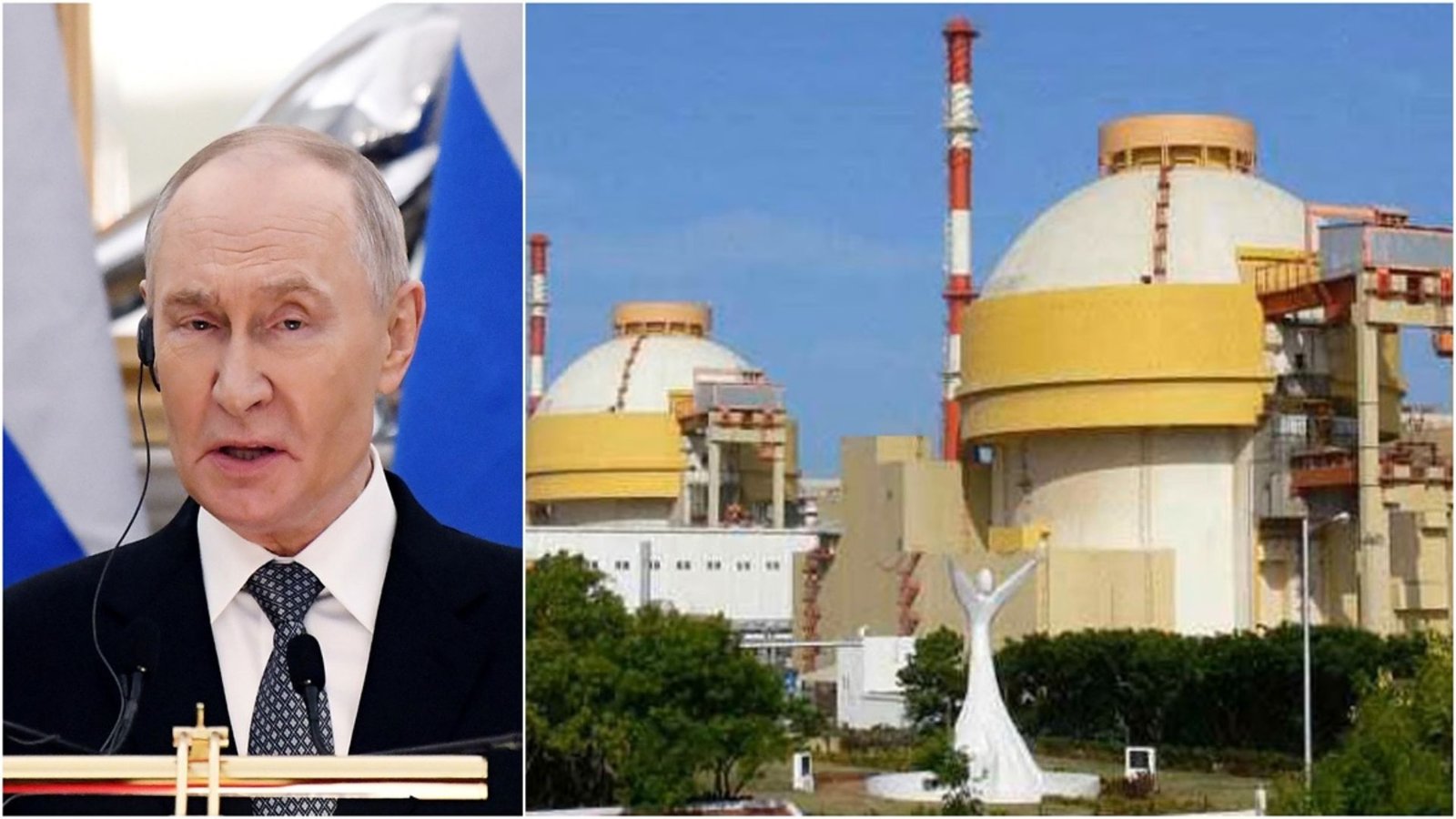
Russia has commenced the supply of nuclear fuel for the third unit of the Kudankulam Nuclear Power Plant (KNPP) in Tamil Nadu, marking a significant step in the Indo-Russian nuclear energy cooperation. This delivery underscores Russia’s commitment to fulfilling its obligations in the construction and operation of the KNPP, a crucial project for India’s energy security.
Significance of the Fuel Delivery
The arrival of the nuclear fuel is a critical milestone, paving the way for the commissioning of Unit 3. The KNPP is a flagship project showcasing the strategic partnership between India and Russia in the field of nuclear energy. The plant is expected to significantly boost India’s nuclear power generation capacity, contributing to the nation’s efforts to meet its growing energy demands while reducing its carbon footprint.
The nuclear fuel, fabricated by Russian nuclear fuel company TVEL, meets the highest international safety standards. The fuel’s design ensures efficient and reliable operation of the reactor. This delivery also highlights Russia’s expertise and reliability as a supplier of nuclear fuel and technology.
The Kudankulam plant’s third unit incorporates advanced safety features, including enhanced passive safety systems designed to mitigate the consequences of any unforeseen events. The VVER-1000 reactor technology used in the plant is known for its robustness and safety record. The KNPP project aligns with India’s broader strategy of diversifying its energy sources and increasing the share of nuclear power in its energy mix.
Indo-Russian Nuclear Cooperation
The KNPP project is a cornerstone of the long-standing nuclear cooperation between India and Russia. The two countries have a strong track record of collaboration in the nuclear field, dating back several decades. The project reflects the deep trust and mutual understanding between the two nations.
The construction of Units 3 and 4 of the KNPP is currently underway, with further units planned for the future. This continued collaboration will enhance India’s energy security and contribute to its sustainable development goals. The Indo-Russian partnership in nuclear energy extends beyond the construction of nuclear power plants. It includes cooperation in nuclear research and development, as well as the training of nuclear professionals.
Impact on India’s Energy Sector
The operationalization of Unit 3 will add 1,000 megawatts of electricity to India’s grid, providing a significant boost to the country’s power generation capacity. This will help meet the increasing demand for electricity from industries and households, supporting economic growth and improving the quality of life for millions of people.
Nuclear energy is a clean and reliable source of power, and its increased use can help reduce India’s reliance on fossil fuels and mitigate the effects of climate change. The Kudankulam Nuclear Power Plant is playing a key role in India’s transition to a cleaner and more sustainable energy future.
The project also has a positive impact on the local economy, creating jobs and supporting the development of infrastructure in the surrounding region. The KNPP is a symbol of India’s technological progress and its commitment to harnessing nuclear energy for peaceful purposes.
Image Source: Google | Image Credit: Respective Owner