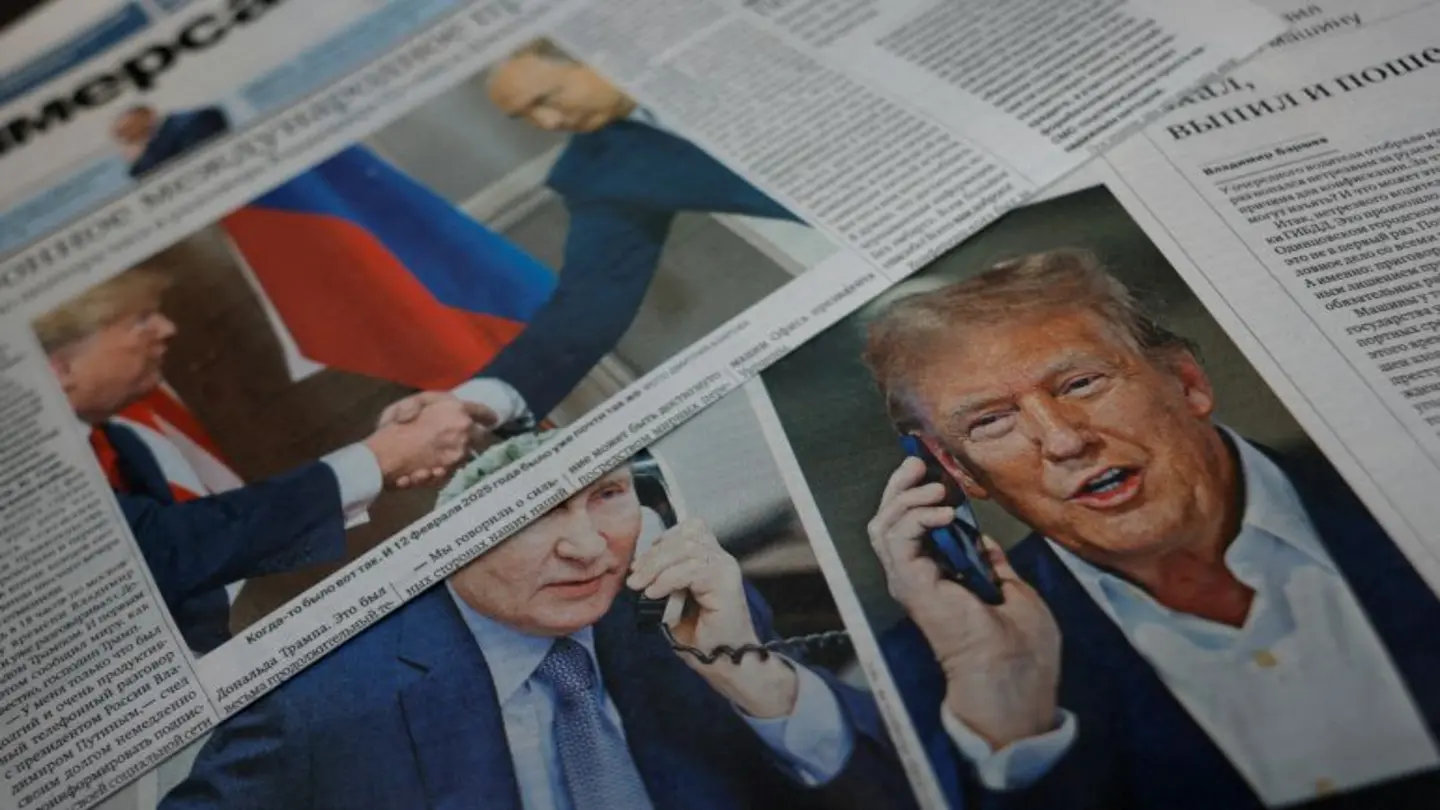
Tensions remain high in international talks involving Russia, as President Vladimir Putin maintains a firm stance on key issues. This comes even as former U.S. President Donald Trump suggests that Moscow is open to a potential deal. The contrasting narratives highlight the complex diplomatic landscape surrounding the ongoing conflict and the divergent approaches to resolving it.
Putin’s Unwavering Position
President Putin’s hard line in negotiations underscores Russia’s determination to achieve its strategic objectives. While the specific details of these objectives remain a subject of intense debate and speculation, it is evident that Russia seeks to secure its interests and exert its influence on the global stage. This unwavering position presents a significant challenge to international efforts aimed at de-escalation and a peaceful resolution.
Analysts suggest that Putin’s stance may be influenced by a combination of factors, including domestic political considerations, a desire to project strength, and a deep-seated distrust of Western powers. Whatever the underlying reasons, his approach has created a significant obstacle to progress in diplomatic talks.
Trump’s Optimistic Outlook
In contrast to Putin’s steadfastness, former President Trump has expressed optimism about the possibility of reaching a deal with Moscow. Trump’s remarks, which have often been characterized by a more conciliatory tone towards Russia, suggest that he believes a mutually acceptable agreement can be forged. However, critics argue that such an approach may embolden Russia and undermine international efforts to hold it accountable for its actions.
Trump’s comments have sparked debate about the potential terms of a deal with Russia and the implications for global security. Some fear that any agreement reached under these circumstances could legitimize Russia’s actions and set a dangerous precedent for future international conflicts. Others argue that a deal, however imperfect, is preferable to a prolonged and escalating conflict.
International Implications
The contrasting narratives from Putin and Trump underscore the deep divisions within the international community regarding the appropriate approach to Russia. While some advocate for a firm stance and continued pressure, others favor dialogue and negotiation. This lack of consensus complicates efforts to forge a unified response to the ongoing crisis and increases the risk of further escalation.
The situation remains fluid and unpredictable, with the potential for significant shifts in the coming weeks and months. The outcome of these diplomatic efforts will have far-reaching implications for global security and the future of international relations.
Ultimately, the path forward will require a delicate balance of firmness and flexibility, a willingness to engage in constructive dialogue, and a commitment to upholding the principles of international law and respect for sovereignty.
Image Source: Google | Image Credit: Respective Owner