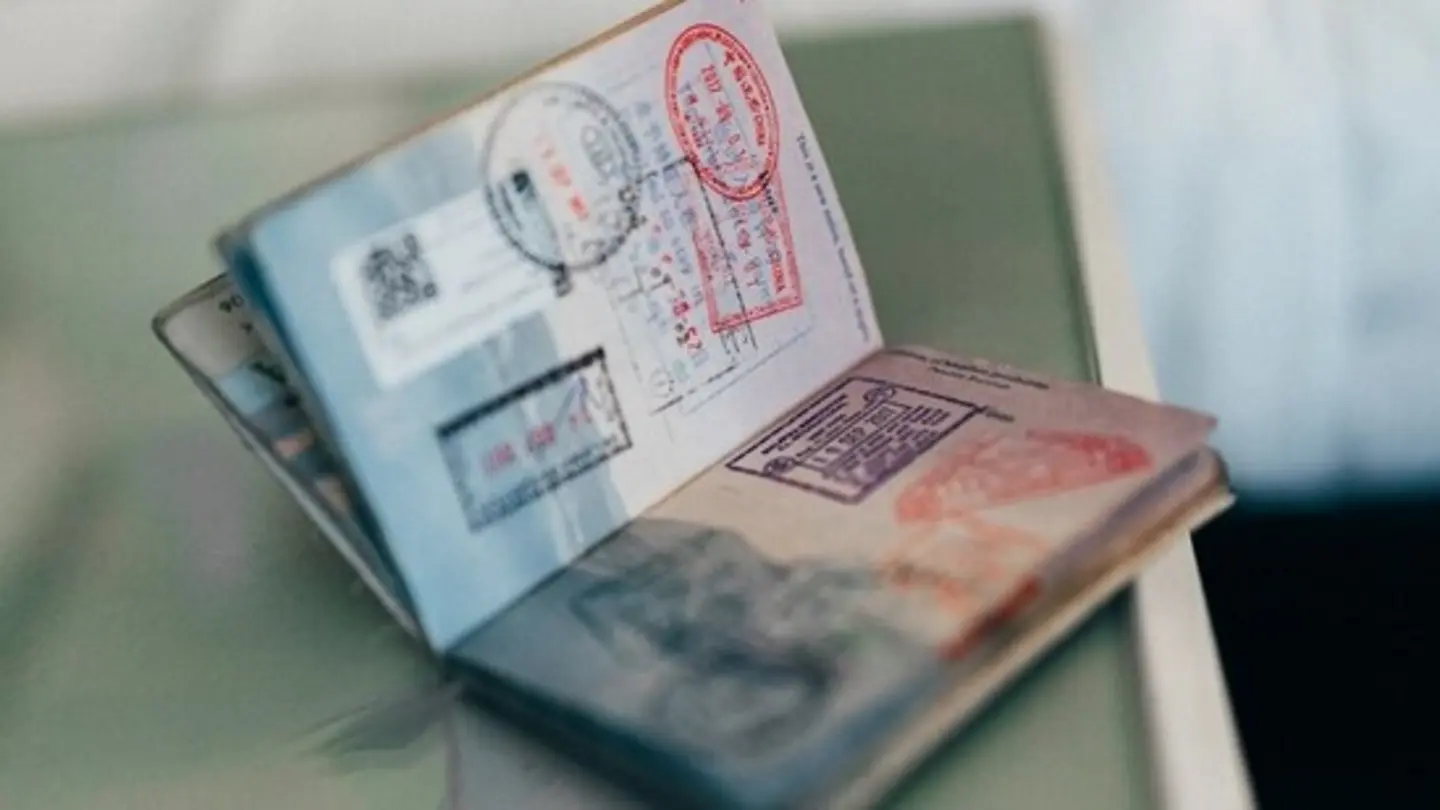
The United States will begin scrutinizing the social media accounts of all H-1B and H-4 visa applicants starting December 15, according to a recent announcement. This new policy aims to enhance national security and improve the vetting process for individuals seeking to work or reside in the U.S. on these visas.
The H-1B visa is a non-immigrant visa that allows U.S. employers to temporarily employ foreign workers in specialty occupations. These occupations generally require a bachelor’s degree or higher in a specific field. The H-4 visa is issued to the dependent spouses and children of H-1B visa holders.
Under the new guidelines, applicants will be required to provide their social media handles and platforms used over the past five years. This information will be used to identify potential security risks and ensure that applicants do not pose a threat to national interests. The Department of Homeland Security (DHS) will conduct the social media checks.
Enhanced Vetting Process
The enhanced vetting process is expected to add an additional layer of security to the visa application process. Social media checks will help to identify any red flags that may not be apparent through traditional background checks. This includes any evidence of support for terrorism, criminal activity, or other activities that could pose a risk to the U.S.
The scrutiny will cover a wide range of social media platforms, including but not limited to Facebook, Twitter, Instagram, and LinkedIn. Applicants will be required to provide accurate and up-to-date information about their social media presence.
Immigration experts suggest that this measure will likely increase the processing time for visa applications. Applicants should be prepared to provide the necessary information and cooperate fully with the vetting process to avoid delays. The increased scrutiny may also lead to a higher rate of visa denials for applicants with questionable social media activity.
Potential Concerns and Criticisms
Civil liberties advocates have expressed concerns about the potential for privacy violations and the possibility of biased decision-making based on social media content. They argue that social media posts can be taken out of context and that individuals should not be judged based on their online activity alone. Concerns have also been raised about the potential for discrimination based on religious or political beliefs.
The U.S. government maintains that the social media checks are necessary to protect national security and ensure that individuals entering the country do not pose a threat. Officials have stated that the vetting process will be conducted in a fair and objective manner, with appropriate safeguards in place to protect privacy and prevent discrimination. The policy is designed to identify individuals who may pose a risk to public safety or national security, rather than to penalize individuals for their personal beliefs or opinions. The collection of social media data will be limited to what is necessary to verify identity and conduct security checks.
The new rules are part of a broader effort to strengthen border security and enhance the integrity of the U.S. immigration system. The government has implemented various measures in recent years to tighten visa requirements and improve the screening of foreign nationals seeking to enter the country.
Image Source: Google | Image Credit: Respective Owner