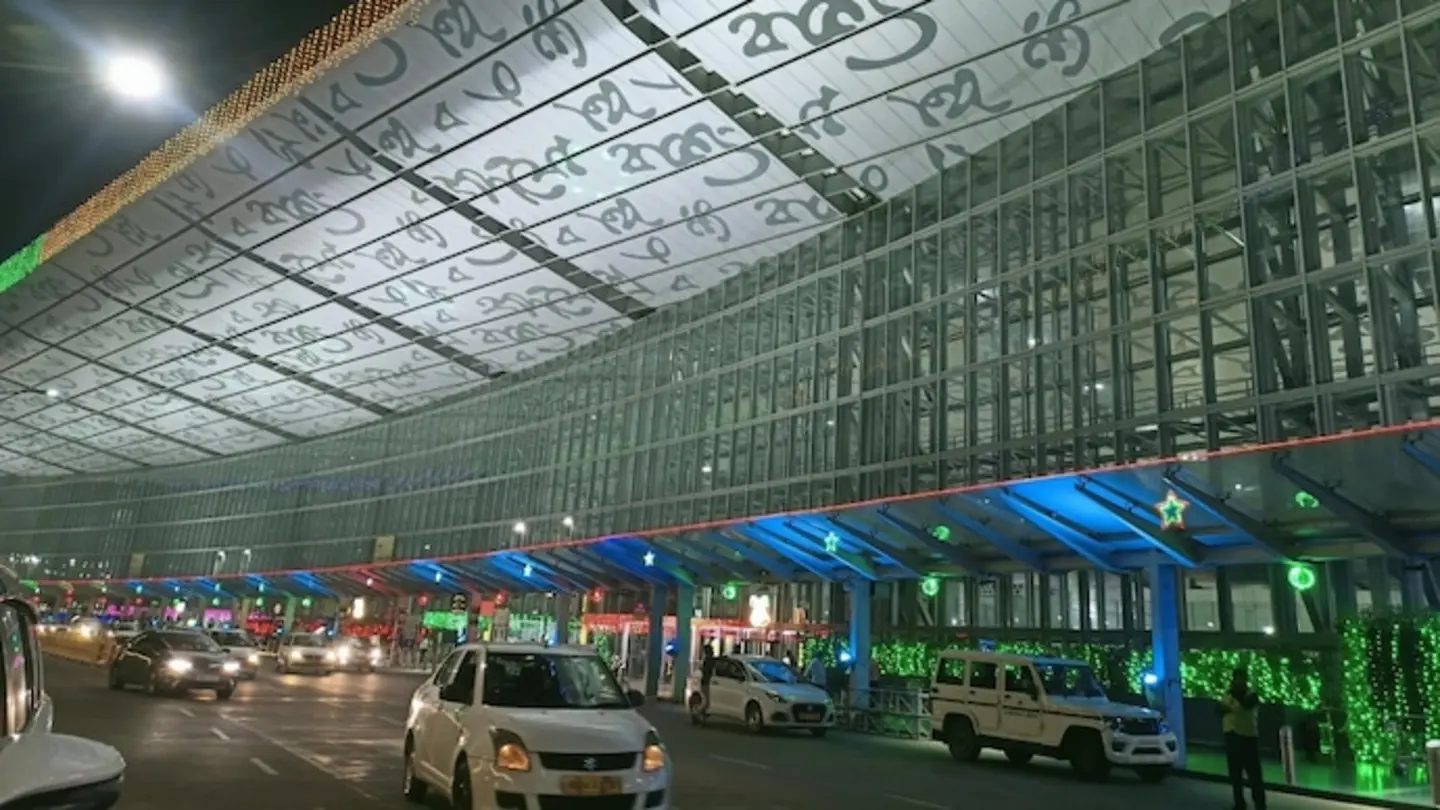
A mosque located within the premises of Kolkata’s Netaji Subhas Chandra Bose International Airport has become a focal point of contention, raising security concerns and reigniting a long-standing dispute. The presence of the mosque, situated within a high-security zone, has prompted questions about potential vulnerabilities and the adherence to safety protocols, especially given the sensitive nature of airport operations.
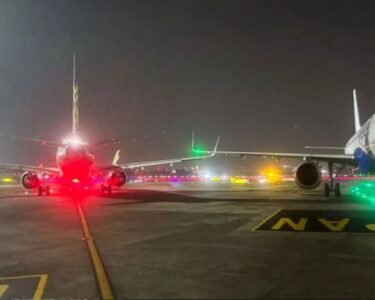
The issue has gained traction following reports highlighting the mosque’s proximity to critical airport infrastructure, including the air traffic control tower and aircraft parking bays. Critics argue that the presence of a religious structure within such a zone poses an inherent security risk, potentially providing unauthorized access or creating opportunities for disruptive activities. Airport authorities are facing mounting pressure to address these concerns and ensure the safety and security of passengers and staff.
Historical Context
The mosque’s presence at the airport dates back several years, with its origins rooted in land allocation agreements made during the airport’s expansion. However, the increasing threat of terrorism and heightened security measures worldwide have brought renewed scrutiny to the arrangement. Local community leaders have defended the mosque’s existence, asserting its importance to the religious sentiments of the Muslim population in the area. They maintain that the mosque has been a peaceful place of worship and that its presence does not pose any threat to airport security.
The controversy surrounding the mosque has triggered a complex debate, encompassing religious freedom, security imperatives, and historical land rights. Several rounds of discussions between airport authorities, religious leaders, and government officials have taken place in an attempt to find an amicable resolution. However, a consensus remains elusive, with each party adhering to their respective positions.
Security Assessments and Proposed Solutions
To address the security concerns, the airport authority has initiated comprehensive security assessments and implemented additional surveillance measures around the mosque. Proposals have been put forward to relocate the mosque to a more suitable location outside the high-security zone, but these have faced resistance from religious leaders who argue that such a move would disrespect the sanctity of the place of worship. The situation remains sensitive, requiring a delicate balance between ensuring security and respecting religious beliefs. The ongoing dispute highlights the challenges of managing religious spaces within sensitive infrastructure zones and underscores the need for clear guidelines and proactive security measures.
The Hindustan Times’ report underscores a matter that demands attention from both the airport authorities and local stakeholders to safeguard the airport’s vicinity.
Image Source: Google | Image Credit: Respective Owner