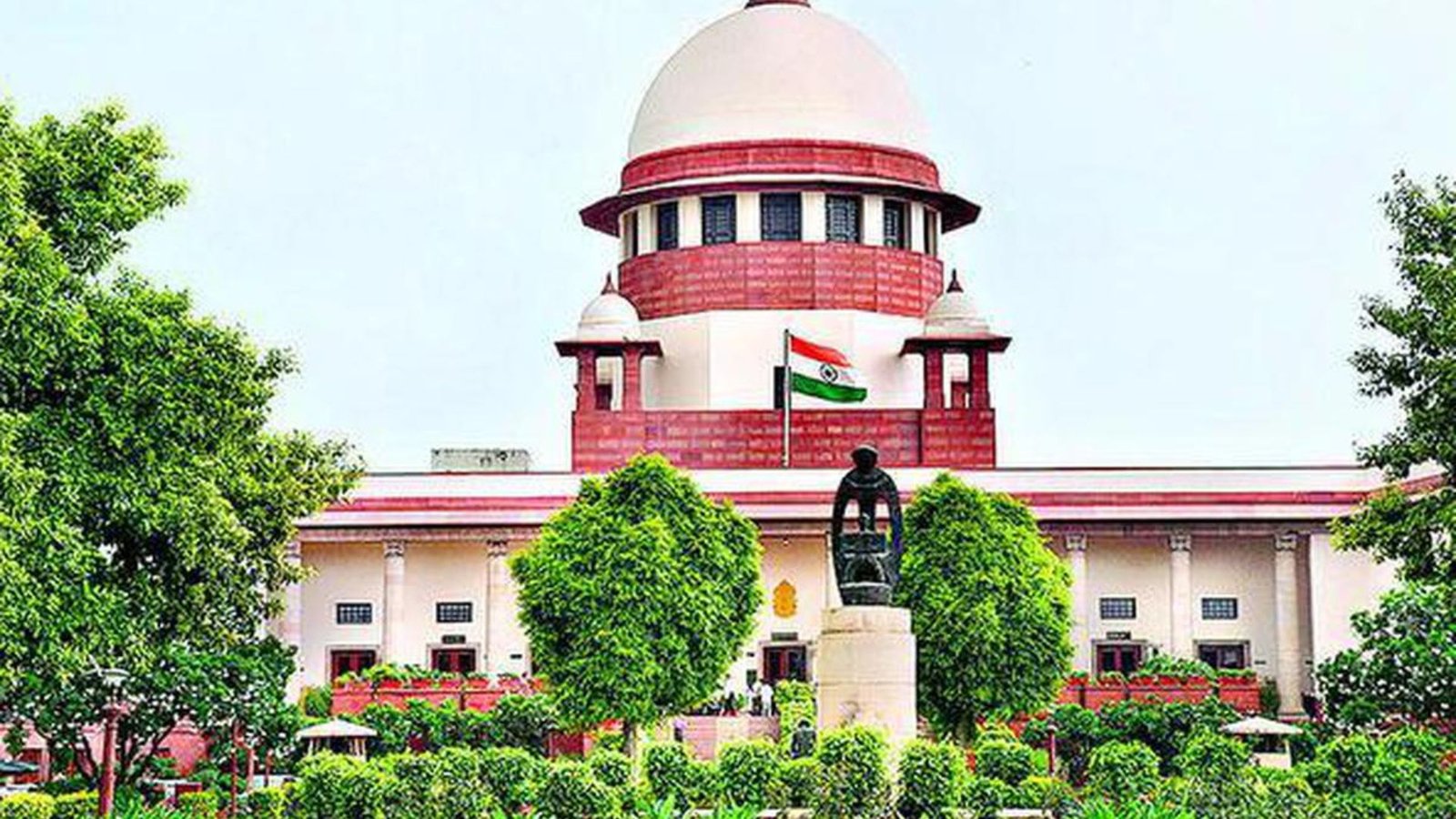
The Supreme Court is hearing a petition challenging the Election Commission of India’s (ECI) authority to conduct what petitioners argue amounts to a citizenship test under the guise of the Systematic Voters’ Education and Electoral Participation (SVEEP) initiative, specifically concerning the Survey of Informants in Registration areas (SIR). The petitioners contend that the ECI is overstepping its mandate by delving into citizenship verification, a function they believe exclusively belongs to the Union Government.
According to the petitioners, the SIR process, intended to improve voter registration and electoral participation, is being misused to scrutinize the citizenship status of individuals. They argue that election officials, during the SIR process, are allegedly demanding documents to prove citizenship, effectively turning the exercise into a de facto citizenship test. This, they claim, violates fundamental rights and encroaches upon the powers vested solely in the central government under the Citizenship Act.
Concerns Over Data Collection
A key concern raised by the petitioners is the potential misuse of data collected during the SIR process. They fear that information gathered by election officials could be shared with other government agencies, potentially leading to harassment or discrimination against individuals unable to provide adequate documentation. They emphasized the lack of legal framework governing the collection, storage, and usage of such sensitive personal data.
Furthermore, the petition highlights the practical difficulties faced by many citizens in obtaining and producing the documents demanded by election officials. This includes individuals from marginalized communities, those residing in remote areas, and people who lack formal education. The petitioners argue that the SIR process disproportionately affects these vulnerable sections of society, effectively disenfranchising them.
ECI’s Stance
The ECI, on the other hand, maintains that the SIR process is a legitimate tool for enhancing the accuracy of electoral rolls and promoting voter awareness. The commission asserts that it is not conducting any citizenship test and that the documents requested during the SIR are solely for the purpose of verifying the identity and address of voters. The ECI has also assured the court that adequate safeguards are in place to prevent the misuse of data collected during the process.
The Supreme Court is currently examining the legal and constitutional questions raised by the petition. The court’s decision could have significant implications for the future of voter registration processes and the balance of power between the ECI and the central government on matters related to citizenship.
The hearing continues, with both sides presenting their arguments before the bench. The court has reserved its judgment and is expected to deliver its verdict in the coming weeks. The outcome of this case will be closely watched by political analysts and civil rights activists alike.
Image Source: Google | Image Credit: Respective Owner