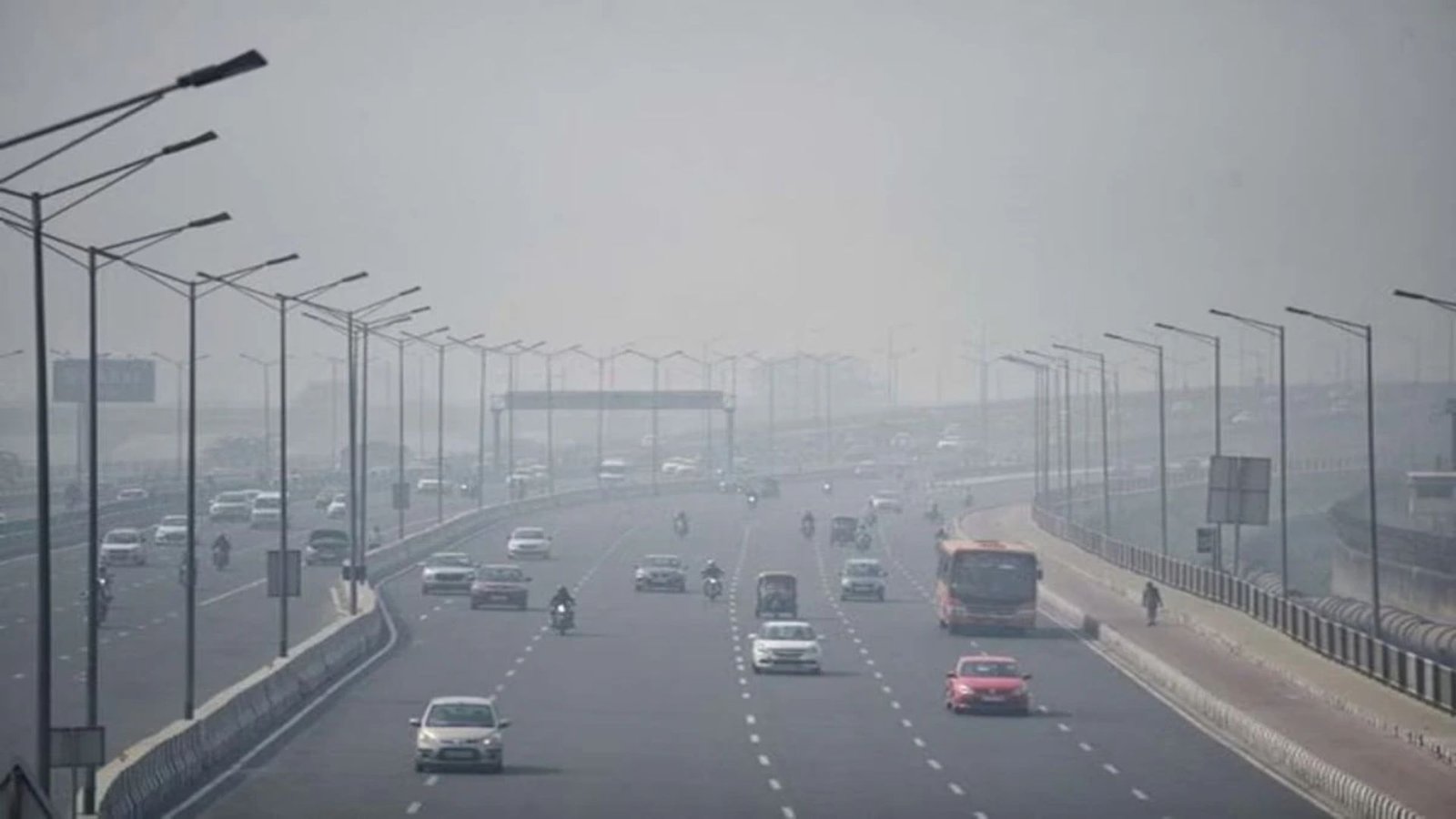
Delhi is experiencing a severe cold wave, with temperatures plummeting to 5.7 degrees Celsius, even as air quality shows a slight improvement, remaining in the ‘poor’ category. The unusual combination of freezing temperatures and persistent pollution is creating challenging conditions for residents. According to the India Meteorological Department (IMD), the cold wave is expected to persist for the next few days, prompting advisories for vulnerable populations to take necessary precautions.
Air Quality Index
Despite the intense cold, Delhi’s Air Quality Index (AQI) has seen a marginal improvement, moving from ‘very poor’ to ‘poor’. This slight dip in pollution levels can be attributed to a combination of factors, including weather conditions that aid in dispersing pollutants and ongoing efforts to curb emissions. However, the AQI still remains a cause for concern, as ‘poor’ air quality can lead to respiratory issues, especially among children, the elderly, and individuals with pre-existing health conditions. The Central Pollution Control Board (CPCB) is closely monitoring the air quality and has urged citizens to minimize outdoor activities during peak pollution hours.
Impact on Daily Life
The bone-chilling cold wave is significantly impacting daily life across the city. Reduced visibility due to dense fog in the early mornings has disrupted transportation, leading to delays in flights and trains. Commuters are facing difficulties navigating through the city, and traffic congestion has increased in several areas. Schools have adjusted timings to ensure the safety of students. The homeless population is particularly vulnerable during this extreme weather, and several NGOs and government agencies are working to provide them with shelter and warm clothing.
Government Response
The Delhi government has implemented several measures to combat both the cold wave and air pollution. Shelters have been set up across the city to provide refuge for the homeless, and blankets and warm meals are being distributed. Efforts are also underway to control air pollution through measures such as the deployment of smog towers and increased monitoring of industrial emissions. Authorities are also urging residents to use public transportation and avoid burning wood or coal for heating, which can further exacerbate air pollution.
Health experts are advising residents to stay indoors as much as possible, wear warm clothing, and consume hot beverages to protect themselves from the cold. They also recommend that individuals with respiratory problems take extra precautions and consult a doctor if they experience any discomfort. The combined challenges of the cold wave and air pollution highlight the need for continued efforts to improve environmental conditions and protect public health in Delhi.
Image Source: Google | Image Credit: Respective Owner