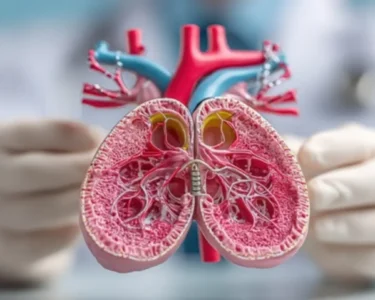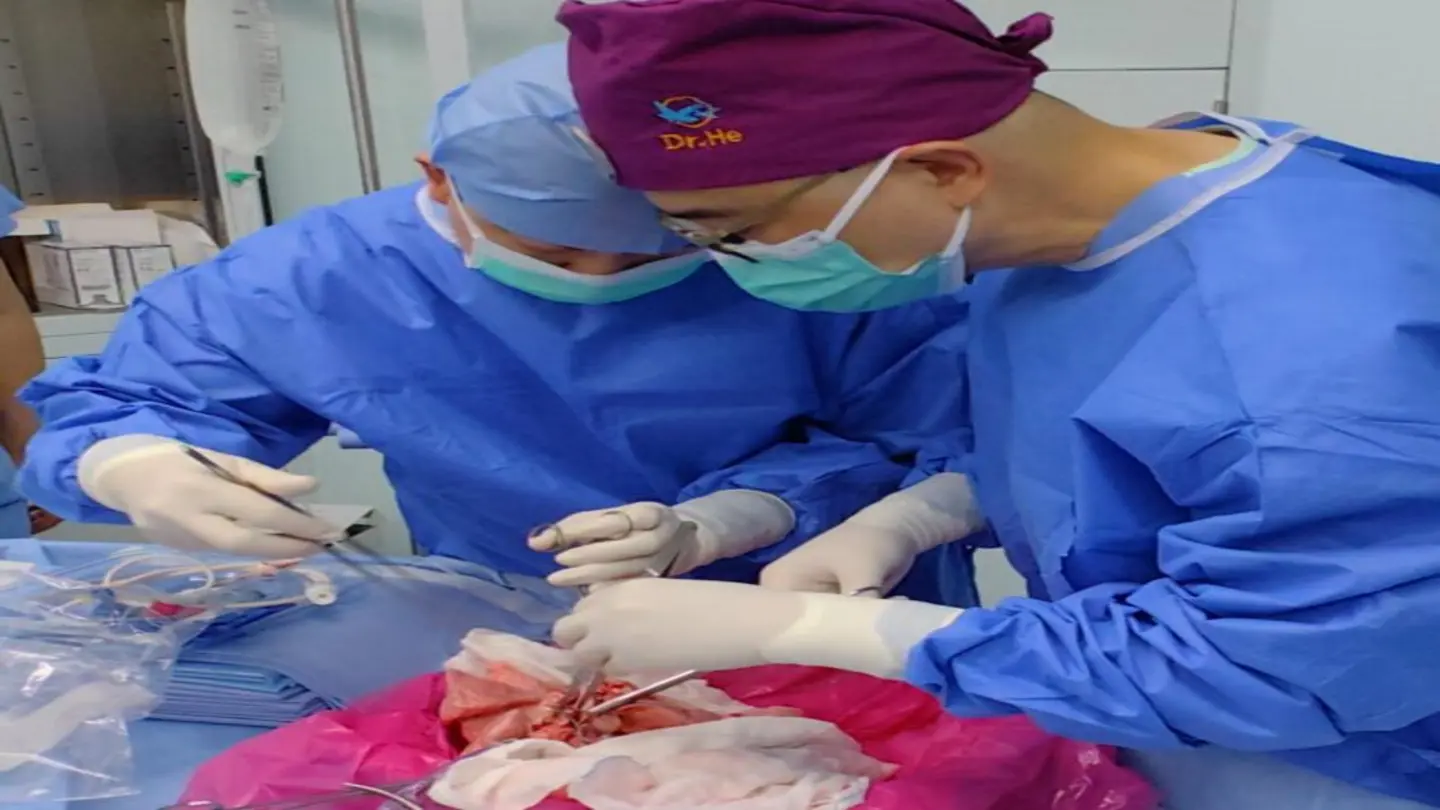
In a groundbreaking medical achievement, a living patient has received a gene-edited pig liver in a transplant procedure, marking a significant step forward in xenotransplantation. The procedure, conducted by a team of surgeons and researchers, represents the first time a genetically modified pig liver has been successfully transplanted into a human. This pioneering effort offers renewed hope for individuals suffering from severe liver disease and facing long waits for human organ donations.
The Need for Xenotransplantation
The shortage of human organs available for transplantation remains a critical challenge in healthcare globally. Thousands of patients are on waiting lists for liver transplants, and many succumb to their illness before a suitable organ becomes available. Xenotransplantation, the transplantation of organs or tissues from one species to another, offers a potential solution to this problem. Pigs have emerged as a promising source of organs for xenotransplantation due to their anatomical and physiological similarities to humans.
The Gene-Editing Process
Before the transplant could proceed, the pig liver underwent extensive genetic modification to reduce the risk of rejection by the recipient’s immune system. Scientists used CRISPR-Cas9 gene-editing technology to remove specific pig genes that could trigger an immune response in humans and to insert human genes that would make the pig liver more compatible with the human body. This complex gene-editing process aimed to minimize the likelihood of organ rejection and ensure the successful integration of the pig liver into the patient’s body. The edited liver was carefully screened for potential pathogens before the transplant.
The Transplant Procedure and Patient Monitoring
The transplant procedure itself was a complex and delicate operation, requiring a highly skilled surgical team. The patient, who had been suffering from severe liver failure, was carefully monitored throughout the procedure. Following the transplant, the patient is receiving immunosuppressant drugs to further reduce the risk of rejection. The medical team is closely monitoring the patient’s condition, looking for signs of organ rejection or any other complications. Initial reports suggest the patient is stable and the transplanted liver is functioning as expected, a promising sign for the success of the procedure. Researchers will monitor the long-term function of the pig liver and any potential side effects.
Ethical Considerations and Future Implications
While this breakthrough offers immense potential, it also raises ethical considerations regarding the use of animal organs for human transplantation. These concerns include the welfare of the animals involved, the potential for transmission of animal diseases to humans, and the equitable allocation of xenotransplantation resources. However, the potential benefits of xenotransplantation, in terms of saving lives and improving the quality of life for patients with organ failure, are significant. This successful transplant paves the way for further research and clinical trials in xenotransplantation, potentially leading to a future where organ shortages are a thing of the past. It also has implications for other organs like kidneys and hearts.
Image Source: Google | Image Credit: Respective Owner