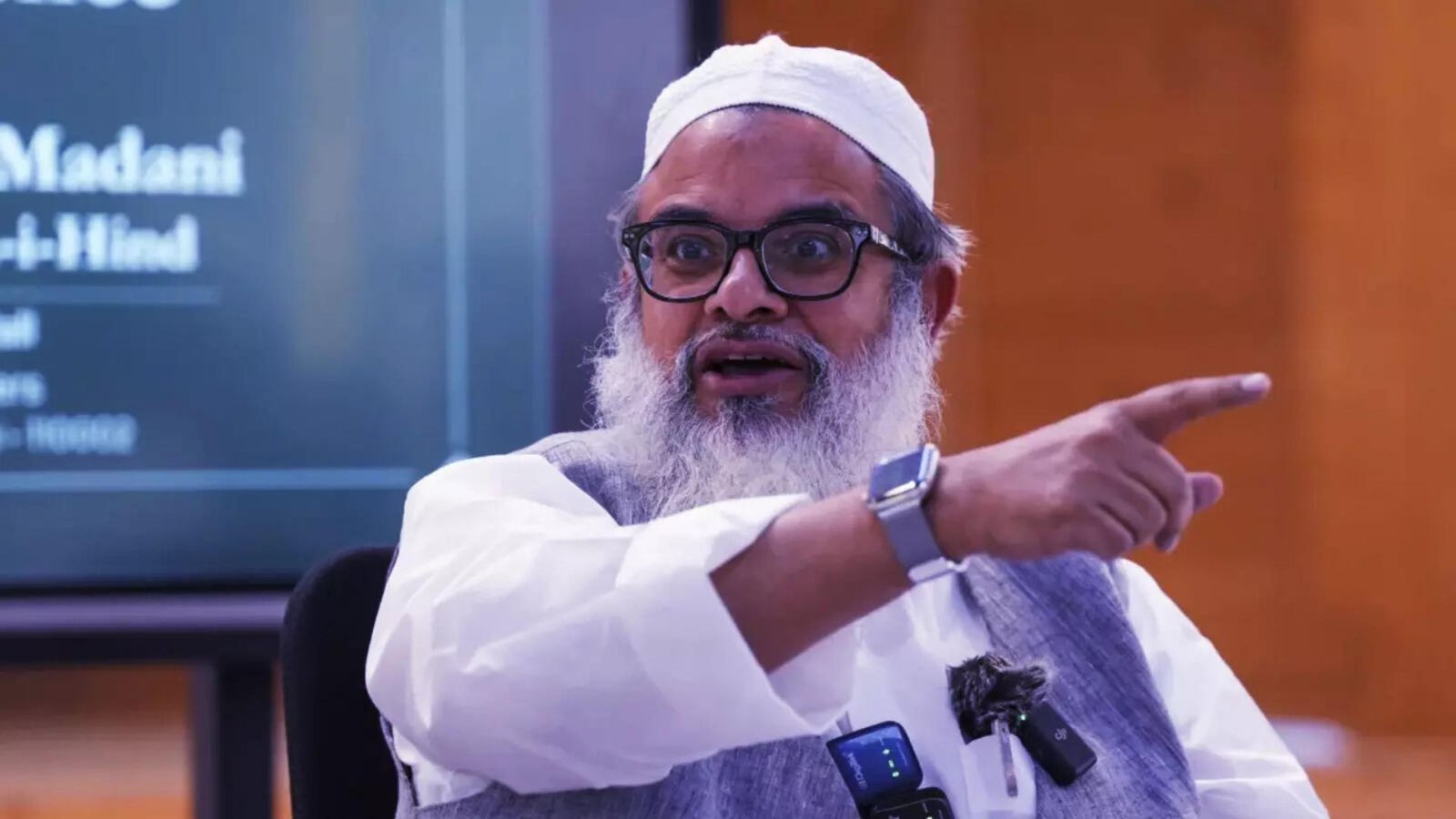
Jamiat Ulema-e-Hind chief Maulana Syed Arshad Madani has sparked a significant controversy with his recent remarks concerning potential “jihad” in response to oppression. Addressing a gathering, Madani stated that if oppression persists, “jihad” would be inevitable. His comments have drawn sharp reactions from various quarters, raising concerns about the implications of such statements in the current socio-political climate. The Jamiat Ulema-e-Hind is one of the most prominent Islamic organizations in India, and Madani’s position as its leader lends considerable weight to his words.
The backdrop to Madani’s statement appears to be growing unease within certain segments of the Indian Muslim community regarding perceived discrimination and marginalization. The term “oppression,” as used by Madani, is interpreted by some as referring to governmental policies and societal attitudes that they believe disproportionately affect Muslims. Critics argue that such rhetoric could potentially incite unrest and exacerbate existing tensions.
Reactions to the Remark
The immediate aftermath of Madani’s remarks has been marked by widespread condemnation from political leaders, commentators, and social activists. Many have cautioned against the use of inflammatory language that could be misconstrued or exploited by extremist elements. Some have called for Madani to retract his statement and clarify his intentions. Law enforcement agencies are reportedly monitoring the situation to prevent any potential escalation of violence or communal disharmony.
Conversely, some supporters of Madani and the Jamiat Ulema-e-Hind have defended his statement, arguing that it was taken out of context. They maintain that Madani was merely highlighting the importance of justice and the potential consequences of unchecked oppression. According to this viewpoint, his words should be understood as a call for dialogue and redressal of grievances, rather than an incitement to violence.
Implications and Future Outlook
The controversy surrounding Madani’s remarks underscores the delicate balance between freedom of expression and the need to maintain social order. While the right to voice dissent is a cornerstone of democracy, there are legitimate concerns that certain types of speech can incite violence and undermine communal harmony. The incident also highlights the ongoing challenges faced by minority communities in India and the importance of addressing their concerns through constructive dialogue and inclusive policies.
Moving forward, it is crucial for all stakeholders to exercise restraint and engage in responsible communication. Inflammatory language and unsubstantiated allegations can only serve to deepen divisions and create further instability. Instead, efforts should be focused on promoting understanding, empathy, and mutual respect among all segments of society. Only through such concerted efforts can India hope to overcome its challenges and build a more just and equitable future for all its citizens. The incident serves as a stark reminder of the power of words and the responsibility that comes with using them, especially in positions of leadership and influence.
Image Source: Google | Image Credit: Respective Owner