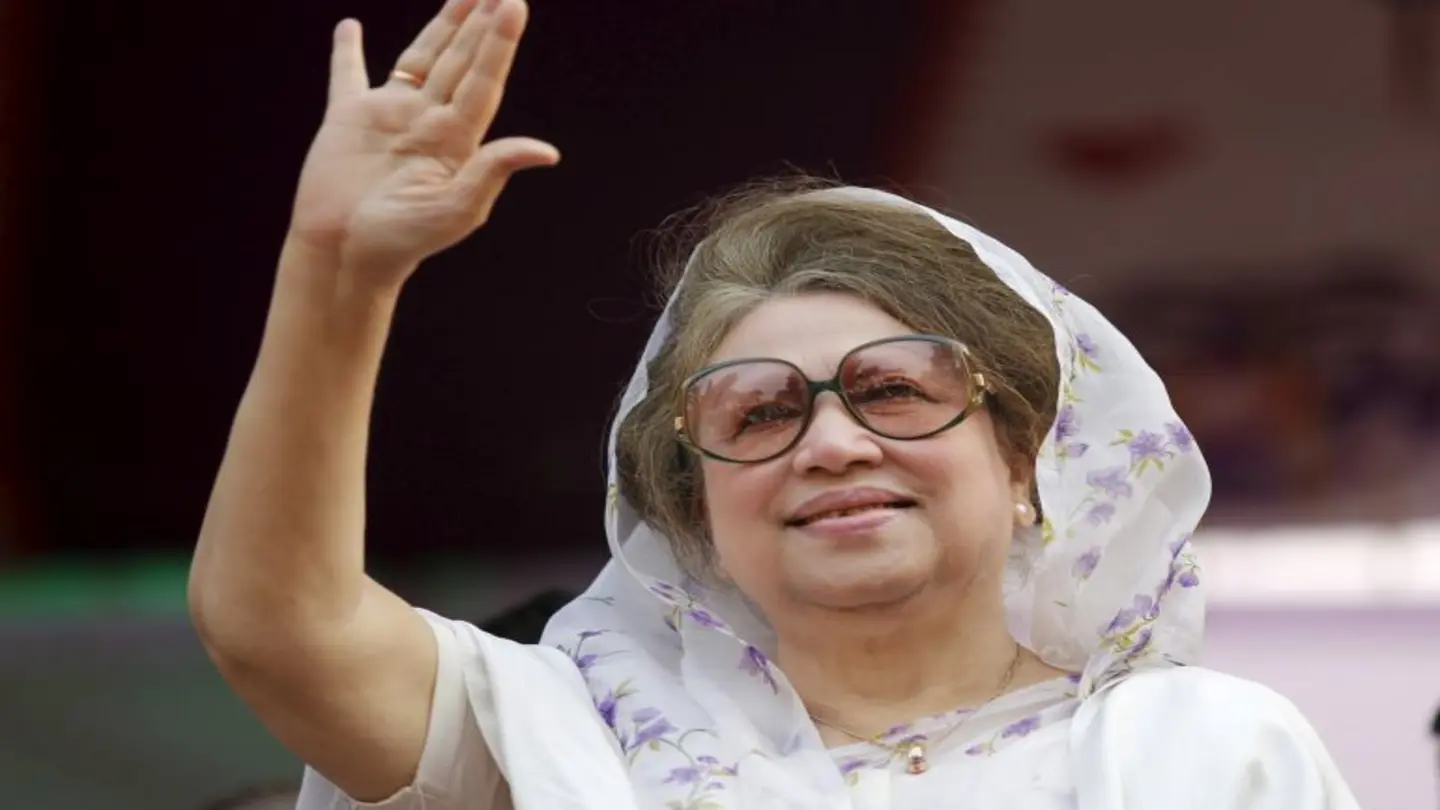
Khaleda Zia, the former Prime Minister of Bangladesh, is in extremely critical condition, according to her party, the Bangladesh Nationalist Party (BNP). The 78-year-old Zia, a prominent figure in Bangladeshi politics, has been battling various health complications for several years. Her current condition has sparked concern among her supporters and raised political tensions in the country.
Health Concerns and Treatment
Zia’s health has been a recurring issue, with reports of liver cirrhosis and other ailments. She has been receiving medical treatment in Bangladesh, but her family and party have repeatedly sought permission for her to be treated abroad, citing the need for advanced medical care unavailable in the country. The BNP has consistently claimed that the government is deliberately obstructing her access to foreign medical facilities, a charge the government denies.
The BNP has organized numerous rallies and protests demanding Zia’s release from what they describe as ‘house arrest’ and calling for her to be allowed to seek medical treatment overseas. The party alleges that the cases against her are politically motivated and designed to keep her out of active politics. The government maintains that Zia is receiving adequate medical care and that her legal matters are being handled according to the law.
Political Implications
Khaleda Zia’s illness and the ongoing legal battles have significant political implications for Bangladesh. The BNP, one of the country’s major political parties, has been weakened in recent years, and Zia’s absence from active politics has further impacted the party’s ability to mobilize support and challenge the ruling Awami League. The situation has created a volatile political environment, with frequent clashes between BNP supporters and law enforcement agencies.
The Awami League, led by Prime Minister Sheikh Hasina, has been in power for over a decade. Relations between the two major political dynasties, represented by Hasina and Zia, have historically been strained. The current political climate is marked by deep divisions and a lack of trust between the ruling party and the opposition.
Call for Release and Treatment
The BNP continues to advocate for Zia’s unconditional release and access to medical treatment abroad. The party views her well-being as a critical factor for political stability and the restoration of democratic processes in Bangladesh. International human rights organizations have also voiced concerns about Zia’s health and the fairness of the legal proceedings against her.
The government has faced increasing pressure from both domestic and international sources to address the concerns surrounding Zia’s health and legal status. However, the political deadlock persists, with both sides holding firm to their positions. The coming days will be crucial in determining the future course of Zia’s health and the broader political landscape of Bangladesh.
The situation remains tense as supporters await further updates on Khaleda Zia’s condition, hoping for a resolution that ensures her well-being and contributes to a more stable political environment.
Image Source: Google | Image Credit: Respective Owner