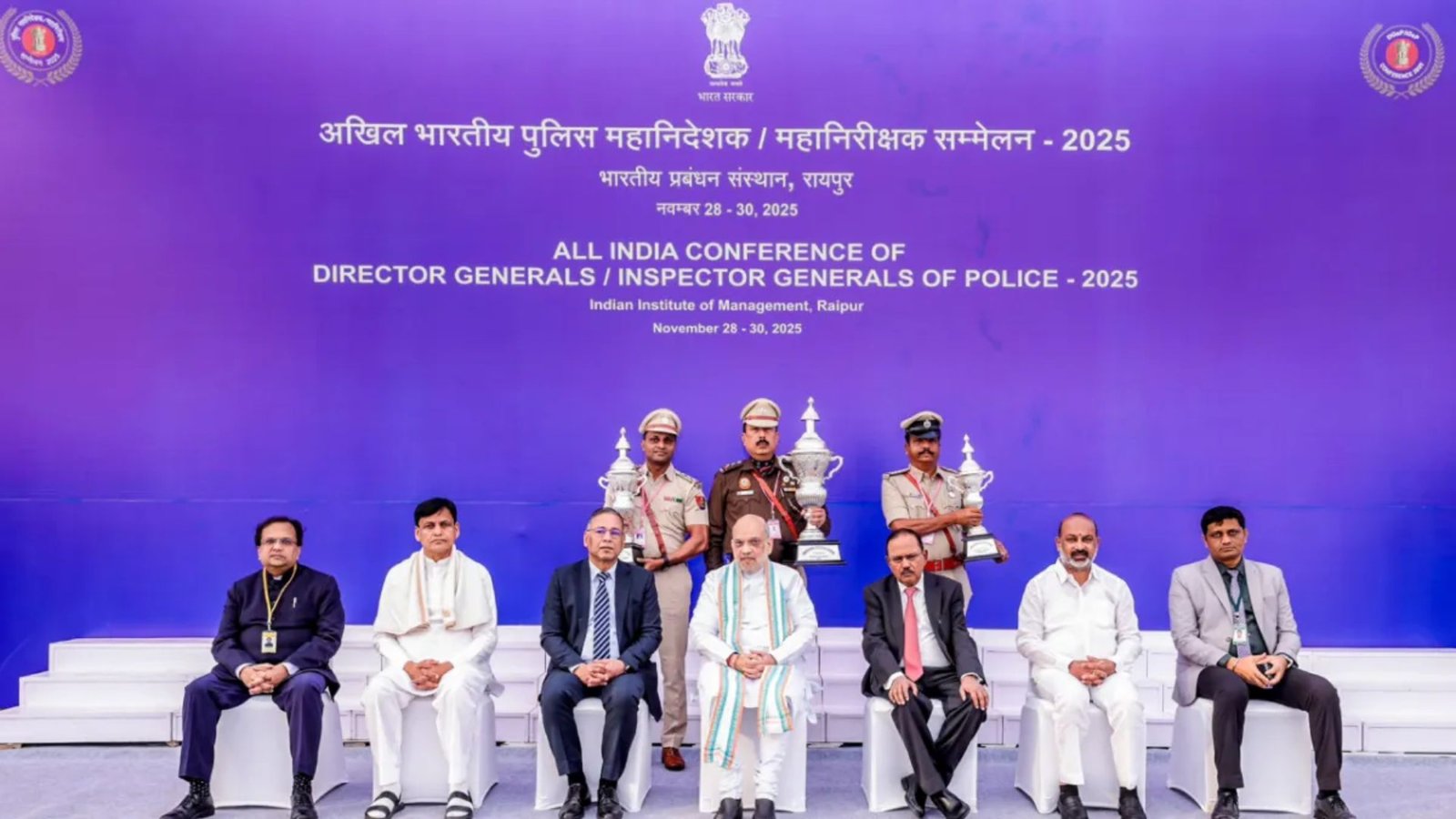
Union Home Minister Amit Shah has declared that India will be completely free of Naxalism within a specific timeframe, signaling a renewed commitment to eradicating the decades-long insurgency. Speaking at a recent public event, Shah outlined the government’s strategy to combat the Maoist insurgency, emphasizing a multi-pronged approach that includes security measures, development initiatives, and addressing the socio-economic grievances of the affected populations.
The Home Minister’s statement reflects a heightened sense of urgency and confidence within the government regarding its ability to tackle the Naxalite problem. Naxalism, a Maoist-inspired insurgency, has plagued several states in India, particularly in the eastern and central parts of the country, for decades. The conflict has resulted in significant loss of life, displacement of communities, and hindered development in the affected regions.
Government’s Strategy
The government’s approach to combating Naxalism involves a combination of proactive security operations and targeted development programs. Security forces have been intensifying their efforts to neutralize Naxalite cadres and dismantle their organizational networks. At the same time, the government is investing in infrastructure development, education, healthcare, and employment generation in Naxal-affected areas to address the underlying causes of the insurgency.
The focus on development is aimed at winning the trust of the local population and weaning them away from Naxalite influence. By providing access to basic amenities and opportunities for economic advancement, the government hopes to create a more conducive environment for peace and stability. The strategy also includes efforts to engage with civil society organizations and local leaders to promote dialogue and reconciliation.
Challenges and Concerns
Despite the government’s efforts, challenges remain in effectively addressing the Naxalite problem. The insurgency is deeply entrenched in certain areas, and Naxalites continue to wield considerable influence over local communities. Security forces often face logistical difficulties and operational constraints in navigating the difficult terrain of Naxal-affected regions. Human rights concerns also persist, with allegations of abuses committed by both security forces and Naxalites.
The government acknowledges these challenges and emphasizes the need for a more nuanced and human-centric approach. It is committed to upholding human rights and ensuring accountability for any violations. The government also recognizes the importance of addressing the root causes of Naxalism, such as poverty, inequality, and social injustice. Amit Shah’s bold remark and set deadline underscores the government’s determination to achieve a Naxal-free India, signifying a significant step in the country’s internal security landscape.
The success of this ambitious goal hinges on sustained efforts, effective coordination between different agencies, and the active participation of local communities. The coming months will be crucial in determining whether the government can translate its vision into reality and bring lasting peace to the Naxal-affected regions.
Image Source: Google | Image Credit: Respective Owner