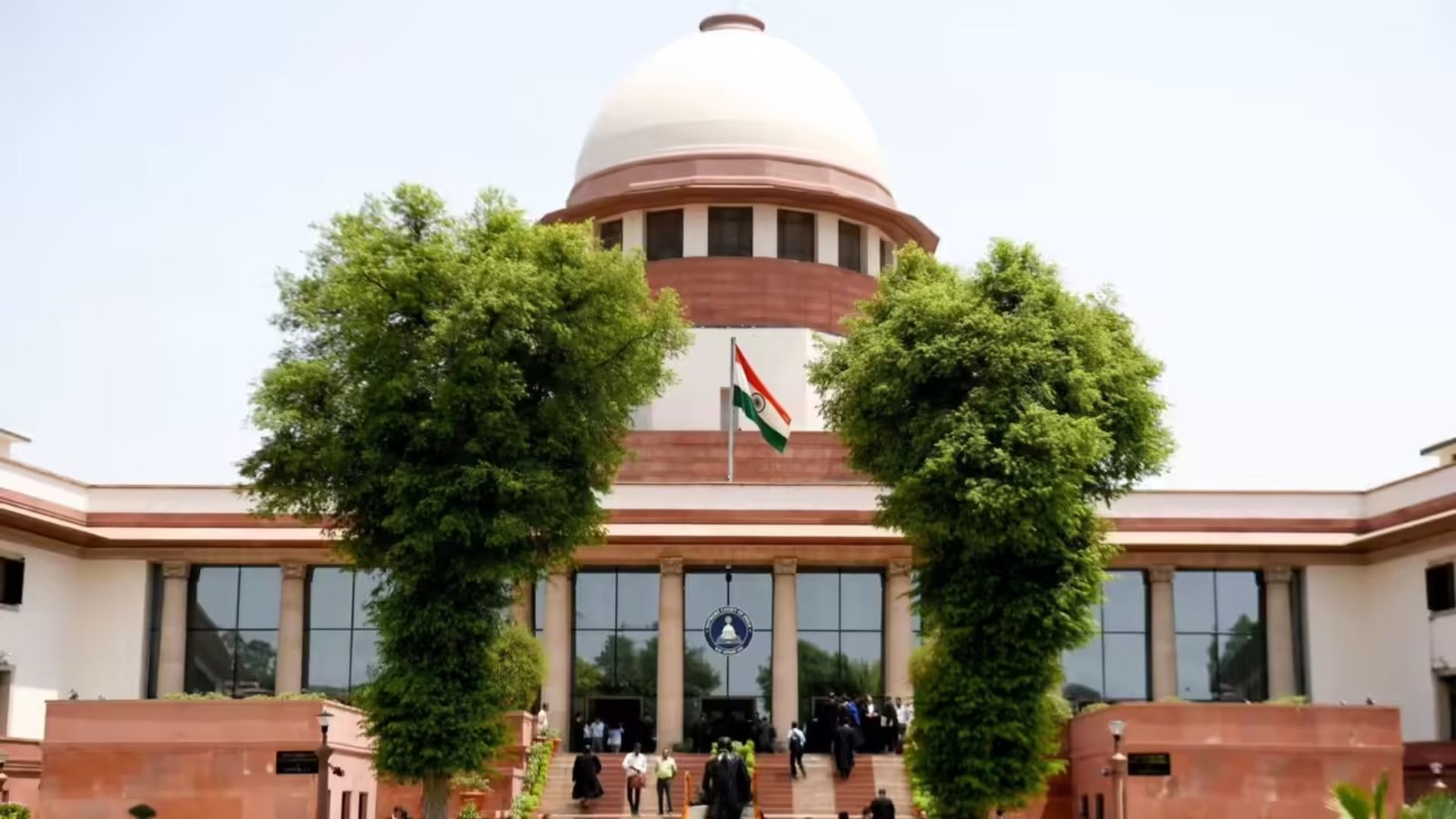
The Supreme Court of India has called upon the government to establish regulations addressing abusive online content, highlighting the urgent need to tackle the proliferation of harmful material on digital platforms. This directive comes amid growing concerns about the impact of unchecked online abuse on individuals, society, and democratic discourse.
The court’s intervention reflects a broader global debate surrounding the responsibilities of tech companies and governments in managing online content. While freedom of speech is a fundamental right, the court emphasized that it is not absolute and must be balanced against the need to protect individuals from harassment, defamation, and other forms of online harm. The justices observed that the current legal framework may be insufficient to effectively address the complexities of online abuse, particularly concerning the rapid spread of misinformation and hate speech.
Need for Clear Guidelines
The Supreme Court has urged the government to formulate clear guidelines and regulations that delineate the boundaries of acceptable online behavior. These guidelines should balance the protection of free speech with the need to prevent the misuse of online platforms for malicious purposes. The court specifically mentioned the need to address issues such as cyberbullying, online harassment of women, and the spread of fake news intended to incite violence or disrupt public order.
The government’s response to the Supreme Court’s directive will be crucial in shaping the future of online content regulation in India. There is an anticipation that the government will consult with various stakeholders, including tech companies, civil society organizations, and legal experts, to develop a comprehensive and effective regulatory framework. Any new regulations will likely need to comply with constitutional principles and international human rights standards.
Challenges Ahead
Implementing effective regulations will not be without its challenges. One of the main obstacles will be balancing the need for regulation with the protection of free speech. Overly broad or vague regulations could potentially stifle legitimate expression and be used to suppress dissent. Another challenge will be the enforcement of regulations, particularly given the global nature of the internet and the difficulty of identifying and prosecuting offenders.
The Supreme Court’s intervention signals a significant step towards addressing the growing problem of online abuse in India. The government’s response will be closely watched by stakeholders across the country and around the world. The aim is to create a safer and more inclusive online environment where individuals can express themselves freely without fear of harassment or abuse, while also maintaining the principles of freedom of speech and expression.
The court’s direction prompts a renewed focus on digital literacy and responsible online behavior among citizens. Educational initiatives and awareness campaigns may play a vital role in encouraging users to report abuse, avoid sharing harmful content, and respect the rights of others online.
Image Source: Google | Image Credit: Respective Owner