NASA’s extensive decade-long data collection has unveiled unprecedented insights into the formation and early life of stars. This wealth of information, gathered from various telescopes and space-based observatories, is reshaping our understanding of stellar nurseries and the processes that govern the birth of stars.
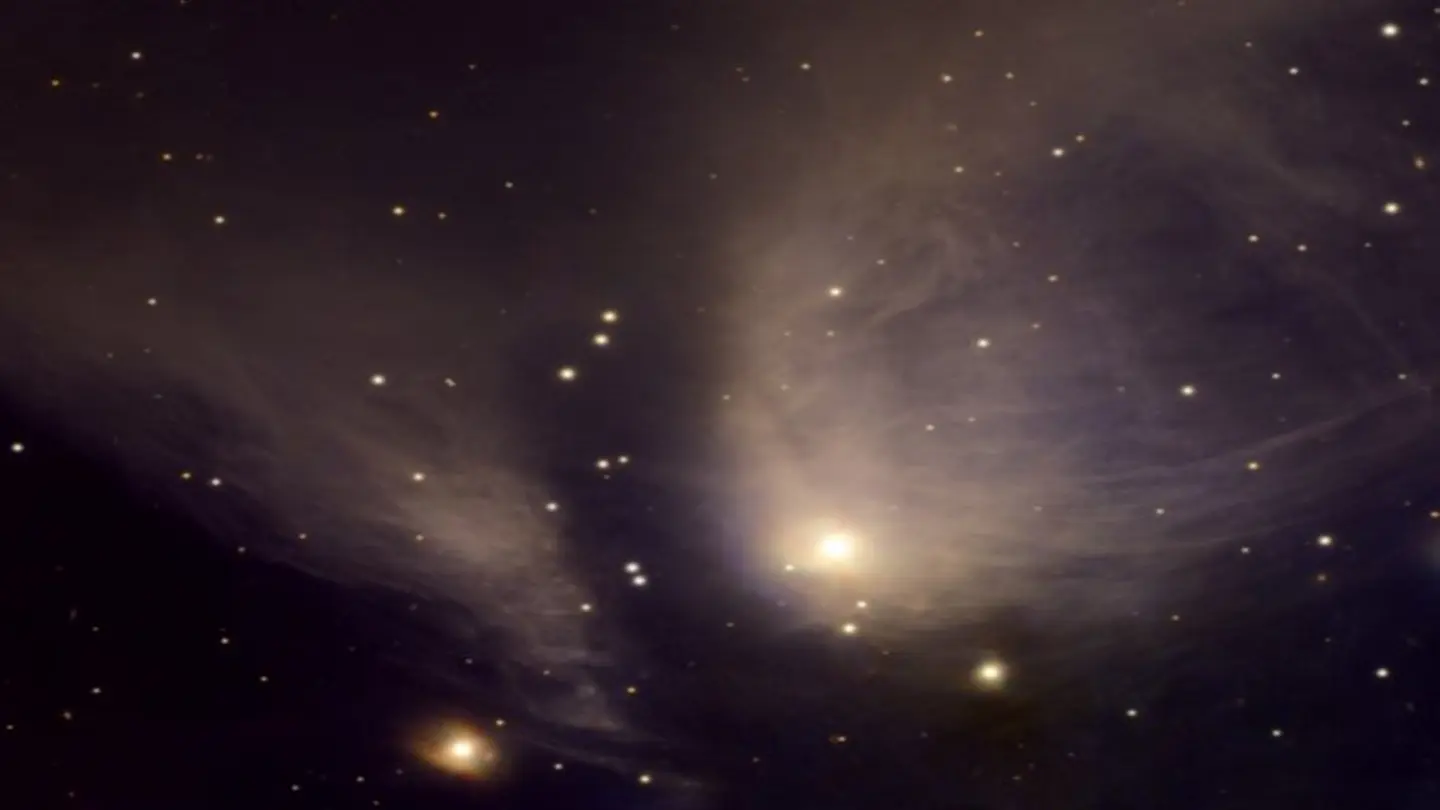
The data provides a detailed look at the environments where stars are born, known as molecular clouds. These vast regions of gas and dust are the cradles of stellar evolution, and NASA’s observations have allowed scientists to map their structure, density, and temperature with remarkable precision. By analyzing the light emitted from these clouds, researchers can determine their chemical composition and identify the key elements involved in star formation.
Understanding Stellar Nurseries
One of the significant findings is the complexity of these stellar nurseries. They are not uniform or homogeneous; instead, they are highly structured, with dense clumps of gas and dust interspersed with more diffuse regions. These clumps are where stars are most likely to form, as they provide the necessary gravitational force to collapse the material into a protostar.
The data also shed light on the role of turbulence and magnetic fields in star formation. Turbulence can both hinder and promote star formation by stirring up the gas and preventing it from collapsing, or by creating localized regions of high density. Magnetic fields can channel the flow of gas and dust, influencing the shape and orientation of the forming stars.
Revealing Protostars
NASA’s observations have enabled the detection of numerous protostars, the earliest stage of a star’s life. These protostars are deeply embedded within their parent molecular clouds, making them difficult to observe with ground-based telescopes. However, space-based observatories, such as the Spitzer Space Telescope and the Hubble Space Telescope, can penetrate the dust and reveal the hidden protostars.
By studying the properties of protostars, scientists can learn about the accretion process, where the protostar gathers material from its surrounding disk. This accretion process is crucial for determining the final mass and characteristics of the star. The data also provide insights into the formation of protoplanetary disks, which are the birthplaces of planets.
Impact on Future Research
This decade of data from NASA represents a major step forward in our understanding of stellar infancy. The findings have important implications for our understanding of the origin of stars and planetary systems, including our own solar system. The ongoing analysis of this data promises to reveal even more secrets about the universe and our place within it. Future missions and observatories will build upon this foundation, continuing to explore the mysteries of star formation and the evolution of galaxies. The research underscores the importance of long-term data collection and the power of space-based observations in advancing our knowledge of the cosmos.
Image Source: Google | Image Credit: Respective Owner