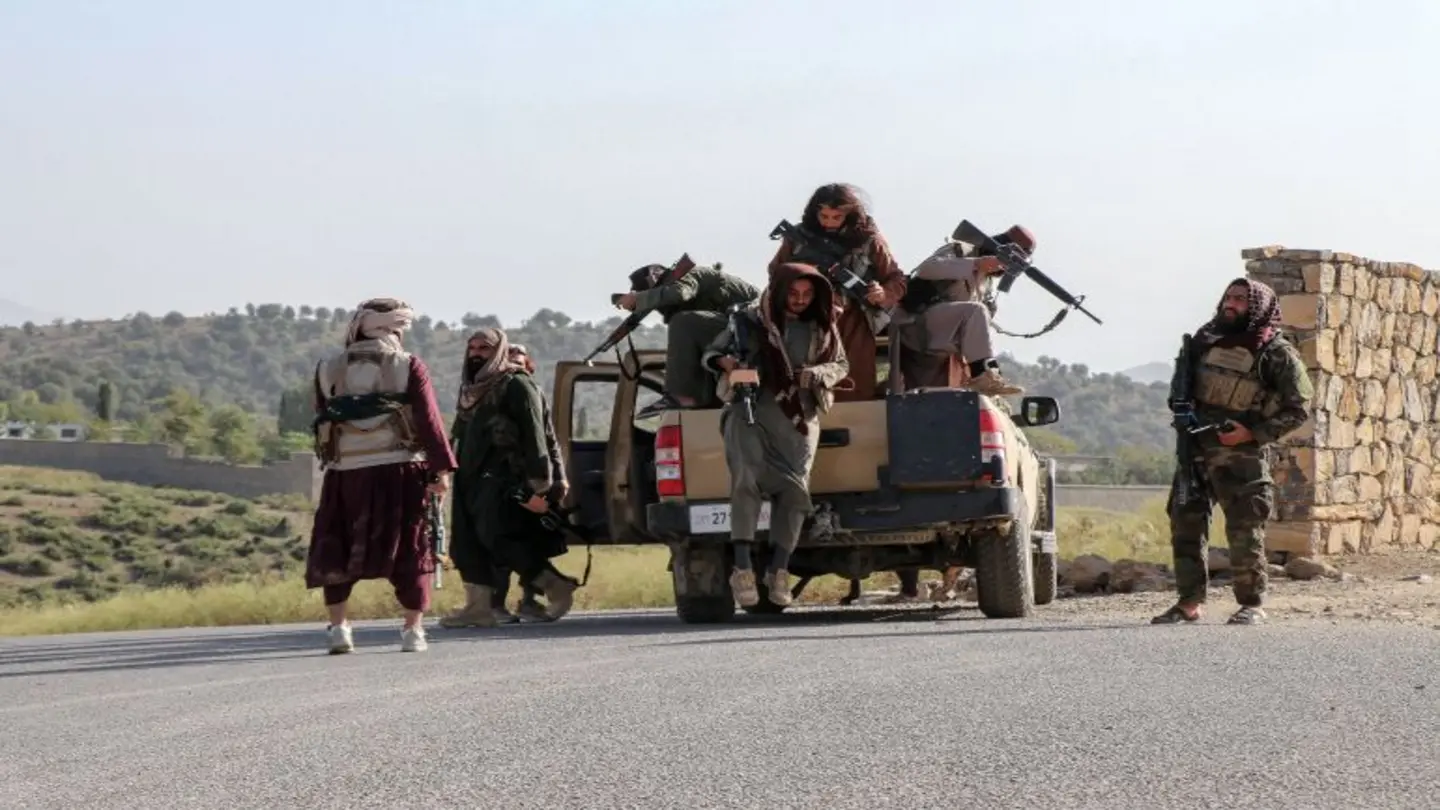
Tensions escalate between Pakistan and Afghanistan as accusations fly regarding cross-border attacks and support for the Taliban. Pakistan’s government vehemently refuted claims of attacking Afghanistan, stating unequivocally that there are “no good and bad Taliban,” dismissing any perceived distinction. This strong denial comes amidst rising concerns over the security situation along the border and increasing friction between the two nations.
Kabul’s Response and Allegations
Kabul has vowed retaliation following alleged attacks originating from Pakistani territory, further exacerbating the already strained relationship. The Afghan government asserts that these attacks undermine Afghanistan’s sovereignty and contribute to the instability within its borders. The back-and-forth accusations highlight a deep-seated mistrust and a failure to establish effective mechanisms for border security and conflict resolution.
The situation is complex, involving numerous factors, including the presence of various militant groups operating in the border region. These groups often exploit the porous nature of the border to launch attacks on both sides, making it difficult to ascertain the origin and motives behind specific incidents. The lack of coordinated security efforts further complicates the situation, hindering the ability of both countries to effectively address the threat.
The escalating tensions raise serious concerns about the potential for a further deterioration of relations between Pakistan and Afghanistan. Any escalation could have far-reaching consequences, not only for the two countries but also for the broader region. It is essential that both sides prioritize dialogue and cooperation to address the underlying issues and prevent further conflict.
Regional and International Implications
The international community is closely monitoring the situation, recognizing the potential for regional instability. Calls for de-escalation and constructive engagement have been issued by various countries and organizations, urging both Pakistan and Afghanistan to find peaceful resolutions to their disputes. The United Nations and other international bodies are offering assistance in facilitating dialogue and promoting cooperation on border security.
Finding a sustainable solution will require a comprehensive approach that addresses the root causes of the conflict and promotes long-term stability. This includes strengthening border security, enhancing intelligence sharing, and promoting economic development in the border region. It also requires addressing the issue of militant groups operating in the area and fostering greater trust and cooperation between the two countries.
The implications of this conflict extend beyond the immediate region, affecting global efforts to combat terrorism and promote stability. A peaceful and prosperous Afghanistan is essential for regional security, and any escalation of tensions with Pakistan could undermine these efforts.
Moving forward, it is crucial for both Pakistan and Afghanistan to prioritize diplomacy and work towards building a relationship based on mutual respect and cooperation. This will require addressing the underlying issues, fostering greater trust, and finding common ground on issues of mutual concern.
Image Source: Google | Image Credit: Respective Owner