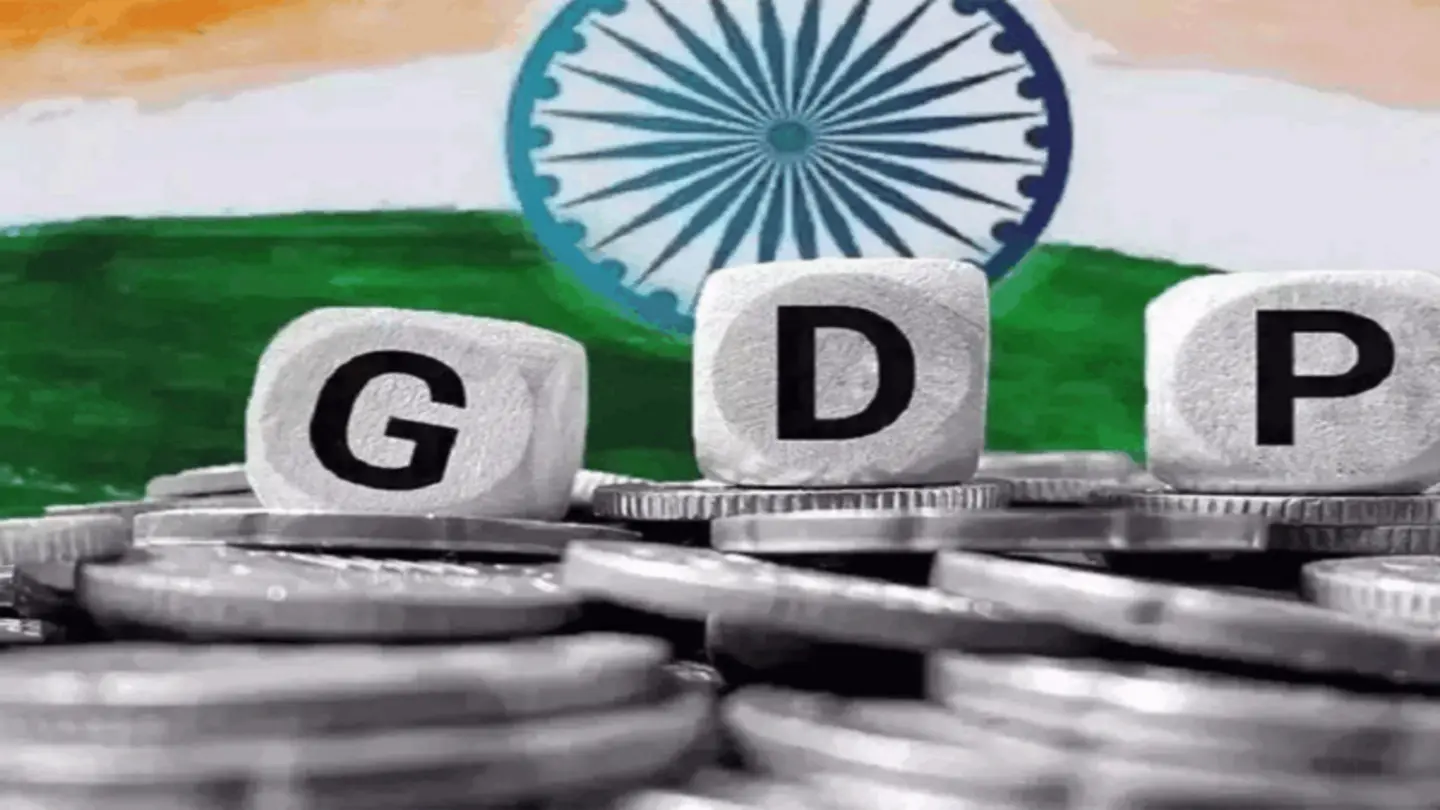
India’s economic growth is projected to have expanded by 7.3% in the July-September quarter, according to a recent report by The Economic Times. This anticipated growth reflects a robust recovery trajectory following the disruptions caused by the COVID-19 pandemic. The growth projection underscores India’s resilience and its ability to navigate global economic headwinds.
Key Growth Drivers
Several factors are expected to have contributed to this growth, including increased government spending on infrastructure, a resurgence in private consumption, and a rebound in the manufacturing sector. The government’s focus on boosting investment and improving the ease of doing business has also played a significant role in fostering economic activity. Furthermore, the agricultural sector has shown resilience, contributing positively to the overall economic performance.
Sectoral Performance
The manufacturing sector is anticipated to have experienced a significant recovery, driven by increased demand and improved capacity utilization. The services sector, particularly IT and financial services, is also expected to have contributed substantially to the economic expansion. The construction sector has benefited from government infrastructure projects and increased housing demand. However, some sectors, such as hospitality and tourism, may still be recovering from the pandemic’s impact.
Challenges and Risks
Despite the positive growth projections, several challenges and risks remain. Global economic uncertainties, including inflationary pressures and geopolitical tensions, could dampen India’s economic prospects. High commodity prices, particularly crude oil, could also pose a threat to economic stability. Furthermore, the potential for further waves of the COVID-19 pandemic remains a concern.
Government Measures
The government has implemented various measures to support economic growth and mitigate risks. These include fiscal stimulus packages, monetary policy easing, and structural reforms aimed at improving competitiveness and attracting investment. The Reserve Bank of India (RBI) has also played a crucial role in maintaining financial stability and managing inflation.
Looking Ahead
Looking ahead, India’s economic growth is expected to remain strong, although the pace of expansion may moderate in the coming quarters. Continued government support, structural reforms, and a favorable global environment will be crucial for sustaining economic momentum. The focus on improving infrastructure, promoting innovation, and enhancing human capital will also be essential for long-term growth.
Economists and analysts will be closely watching upcoming economic data releases to assess the actual growth performance and identify potential risks and opportunities. The government’s policy response to evolving economic conditions will also be critical in shaping India’s economic future.
Image Source: Google | Image Credit: Respective Owner