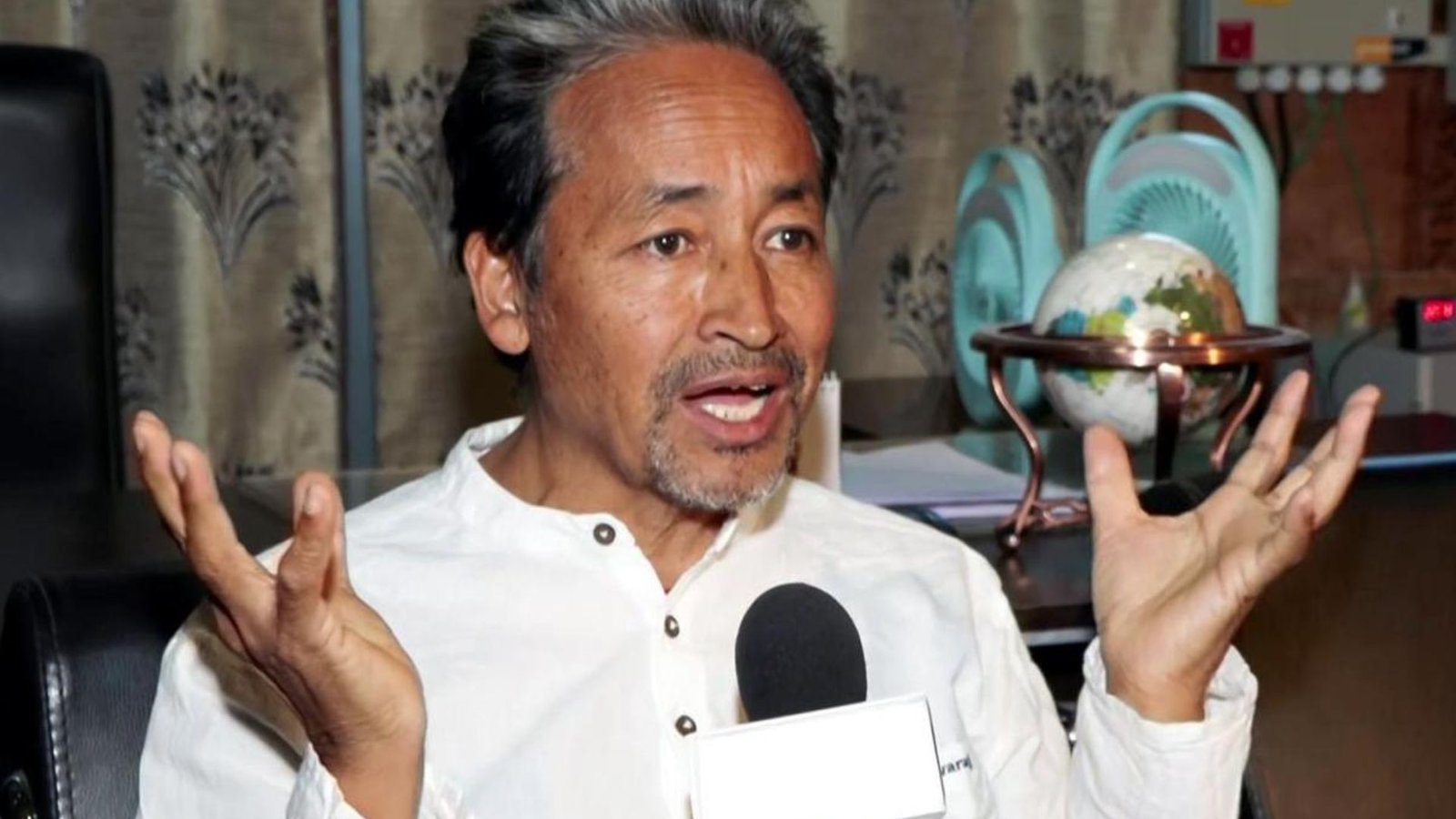
The Supreme Court of India has granted permission to Sonam Wangchuk, an engineer and education reformist from Ladakh, to be impleaded as a party in a petition challenging the detention of individuals under the National Security Act (NSA) in the Union Territory. This development comes amid ongoing concerns regarding civil liberties and human rights in the region, particularly following recent instances of unrest and protests.
Background of the Case
The original petition was filed by concerned citizens and legal activists who argued that the application of the NSA in Ladakh was excessive and violated fundamental rights guaranteed by the Indian Constitution. The petitioners claimed that several individuals had been detained arbitrarily under the NSA, without due process or sufficient justification. The legal challenge sought to ensure that the detention powers under the NSA are exercised judiciously and in compliance with constitutional safeguards.
Sonam Wangchuk’s involvement adds significant weight to the petition. Wangchuk, known for his innovative educational initiatives and advocacy for environmental sustainability in the Himalayan region, has been a vocal critic of the government’s policies concerning Ladakh. His participation underscores the broader concerns about the curtailment of dissent and the protection of civil liberties in the area.
Court’s Decision and Rationale
The Supreme Court’s decision to allow Wangchuk to join the plea reflects the court’s willingness to consider diverse perspectives and address concerns raised by prominent figures in the region. The court acknowledged Wangchuk’s standing as a social activist and his deep understanding of the issues affecting the people of Ladakh. The inclusion of Wangchuk as a party to the petition is expected to bring additional insights and evidence to the ongoing legal debate.
During the hearing, the court emphasized the importance of upholding the rule of law and ensuring that the powers under the NSA are not misused to suppress legitimate dissent or violate fundamental rights. The court also directed the government to provide detailed justifications for the detentions under the NSA and to ensure that the detainees are afforded all necessary legal protections.
Implications for Ladakh
This legal development is particularly significant in the context of recent events in Ladakh, including protests and demonstrations related to environmental concerns, land rights, and regional autonomy. The use of the NSA to detain individuals involved in these activities has raised questions about the government’s approach to managing dissent and maintaining law and order in the region.
The Supreme Court’s intervention and Wangchuk’s involvement signal a renewed focus on ensuring accountability and transparency in the exercise of state power. The case is likely to have broader implications for the protection of civil liberties and the safeguarding of fundamental rights in Ladakh and other regions where the NSA is frequently invoked.
The case is now set for further hearings, where the court will examine the merits of the petition and assess the validity of the detentions under the NSA. The outcome of the case could potentially lead to significant reforms in the application of the NSA and the protection of human rights in the region.
Image Source: Google | Image Credit: Respective Owner