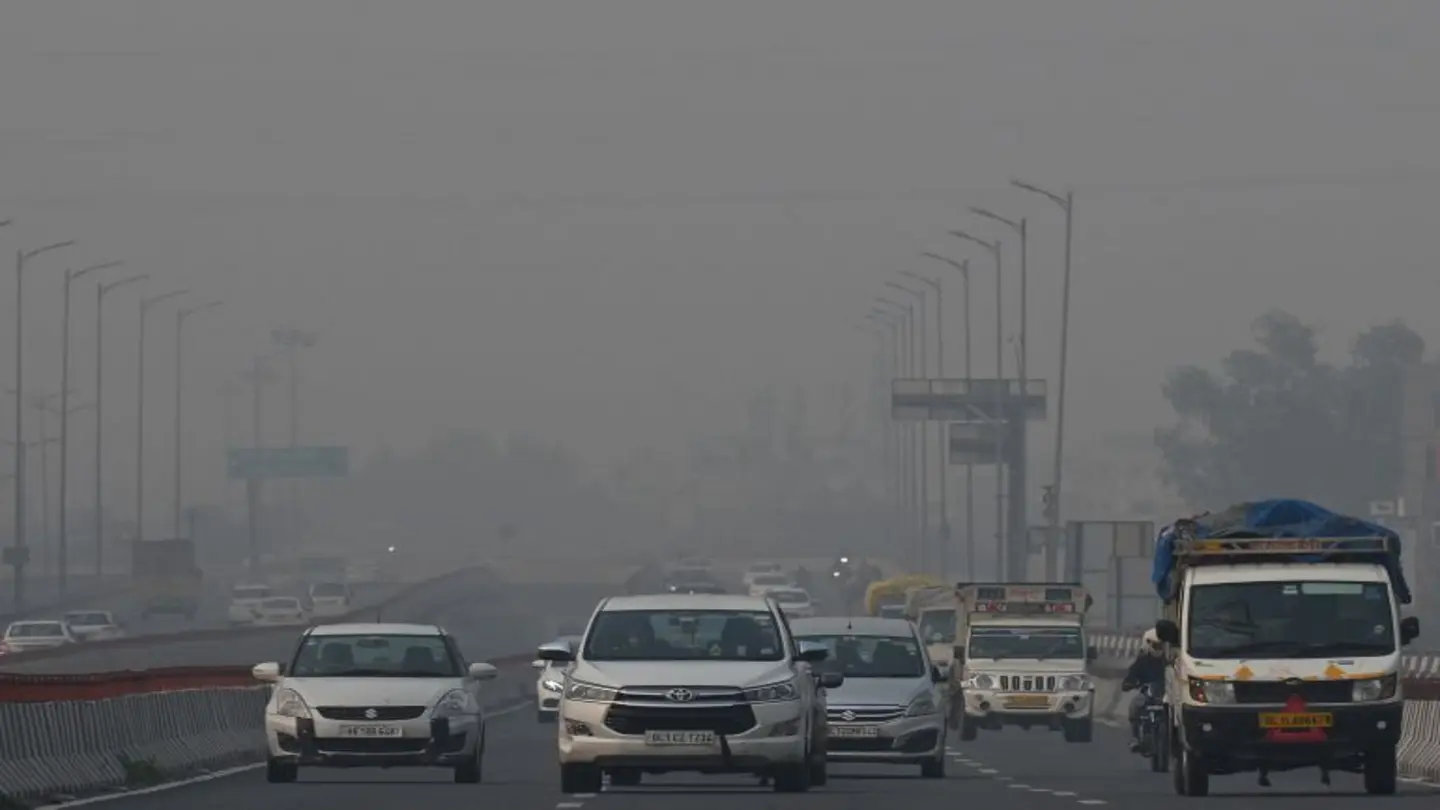
The Delhi government has directed all private offices to implement a 50% work-from-home policy in response to the escalating air pollution crisis in the city. This measure aims to reduce vehicular traffic and industrial emissions, major contributors to the deteriorating air quality. The directive comes as Delhi’s Air Quality Index (AQI) continues to hover in the ‘severe’ category, posing significant health risks to residents, especially children and the elderly.
Emergency Measures
In addition to the work-from-home mandate, the government is considering implementing further restrictions, including a complete ban on construction and demolition activities. Authorities are also contemplating the introduction of stricter regulations on vehicles entering the city, such as a ban on older diesel vehicles and enhanced enforcement of existing pollution control norms. These emergency measures are being implemented under the Graded Response Action Plan (GRAP), a set of steps designed to combat air pollution based on its severity.
The GRAP framework includes several stages of action, ranging from measures to control dust and vehicular emissions to more drastic steps like halting construction and restricting vehicular movement. The current situation has triggered the implementation of the most stringent measures under GRAP, reflecting the severity of the pollution crisis. The government has urged citizens to cooperate with the restrictions and take necessary precautions to protect themselves from the harmful effects of air pollution.
Health Concerns and Public Awareness
The severe air pollution in Delhi has raised serious health concerns, with hospitals reporting a surge in respiratory illnesses. Doctors are advising residents to limit outdoor activities, wear masks, and use air purifiers to minimize exposure to pollutants. The government is also running public awareness campaigns to educate people about the health risks associated with air pollution and to promote preventive measures.
Furthermore, the government is collaborating with various stakeholders, including environmental experts and industry representatives, to find long-term solutions to address the root causes of air pollution. This includes promoting the use of cleaner fuels, investing in public transportation, and implementing stricter environmental regulations for industries. The long-term goal is to create a sustainable environment that ensures clean air for all residents of Delhi.
Impact on Businesses
The implementation of the 50% work-from-home policy is expected to have a significant impact on businesses in Delhi. While some companies have already embraced remote work arrangements, others may face challenges in adapting to the new directive. The government has assured businesses of its support and has encouraged them to adopt flexible work arrangements to minimize disruptions. The policy is intended to strike a balance between protecting public health and ensuring economic activity continues.
The Delhi government is actively monitoring the air quality situation and will review the restrictions based on the pollution levels. The hope is that these measures will help to bring down the AQI to more acceptable levels, allowing for a gradual relaxation of the restrictions. The government remains committed to tackling the air pollution crisis and ensuring a healthier environment for the people of Delhi.
Image Source: Google | Image Credit: Respective Owner