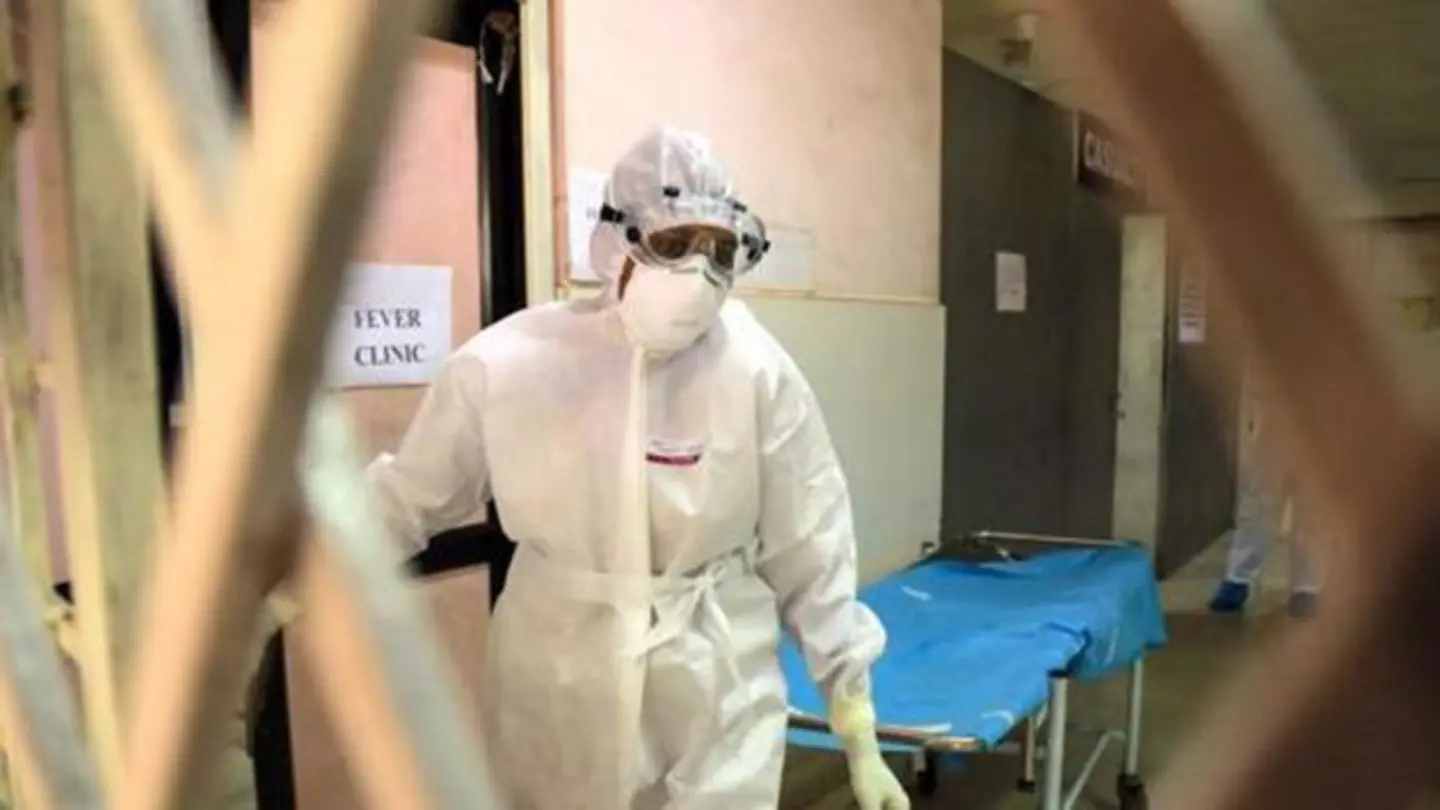
Kochi is facing the possibility of a surge in fever cases as weather patterns undergo noticeable changes, according to health officials. The evolving climate conditions are creating an environment conducive to the spread of vector-borne diseases, raising concerns among public health authorities and residents alike. The city’s healthcare infrastructure is being put on alert to manage a potential influx of patients.
Experts point to the erratic rainfall and fluctuating temperatures as key factors contributing to the heightened risk. These conditions favor the breeding of mosquitoes, which are primary vectors for diseases such as dengue fever, chikungunya, and malaria. The situation is further complicated by the urban landscape of Kochi, which includes densely populated areas and potential breeding sites in stagnant water accumulations.
Preventive Measures and Public Awareness
The health department is actively promoting preventive measures to curb the spread of these diseases. Emphasis is being placed on eliminating mosquito breeding grounds by clearing stagnant water from containers, rooftops, and other potential collection points. Public awareness campaigns are also underway, educating residents about the importance of personal protection measures, such as using mosquito nets, wearing long-sleeved clothing, and applying insect repellent.
“Early detection and treatment are crucial in managing fever cases effectively,” stated a senior health official. “We urge residents to seek medical attention promptly if they experience fever, body aches, or other symptoms suggestive of vector-borne diseases. Delaying treatment can lead to complications and increase the risk of transmission to others.”
The local government is collaborating with various stakeholders, including community leaders and NGOs, to ensure widespread dissemination of information and implementation of preventive measures. Vector control activities, such as fogging and larviciding, are being intensified in high-risk areas to reduce mosquito populations.
Challenges and Mitigation Strategies
Despite the ongoing efforts, challenges remain in effectively controlling the spread of vector-borne diseases. These include the difficulty in accessing certain areas for vector control activities, the limited availability of resources, and the need for greater public participation. To address these challenges, the health department is exploring innovative strategies, such as the use of drones for mosquito surveillance and the implementation of community-based vector control programs.
The changing weather patterns also pose a long-term threat, requiring sustained efforts to adapt and mitigate the impact of climate change on public health. This includes investing in climate-resilient infrastructure, strengthening disease surveillance systems, and promoting sustainable environmental practices.
The health department continues to monitor the situation closely and is prepared to take additional measures as needed to protect the health of the community. Residents are urged to remain vigilant and cooperate with health officials in implementing preventive measures to minimize the risk of fever outbreaks.
Image Source: Google | Image Credit: Respective Owner