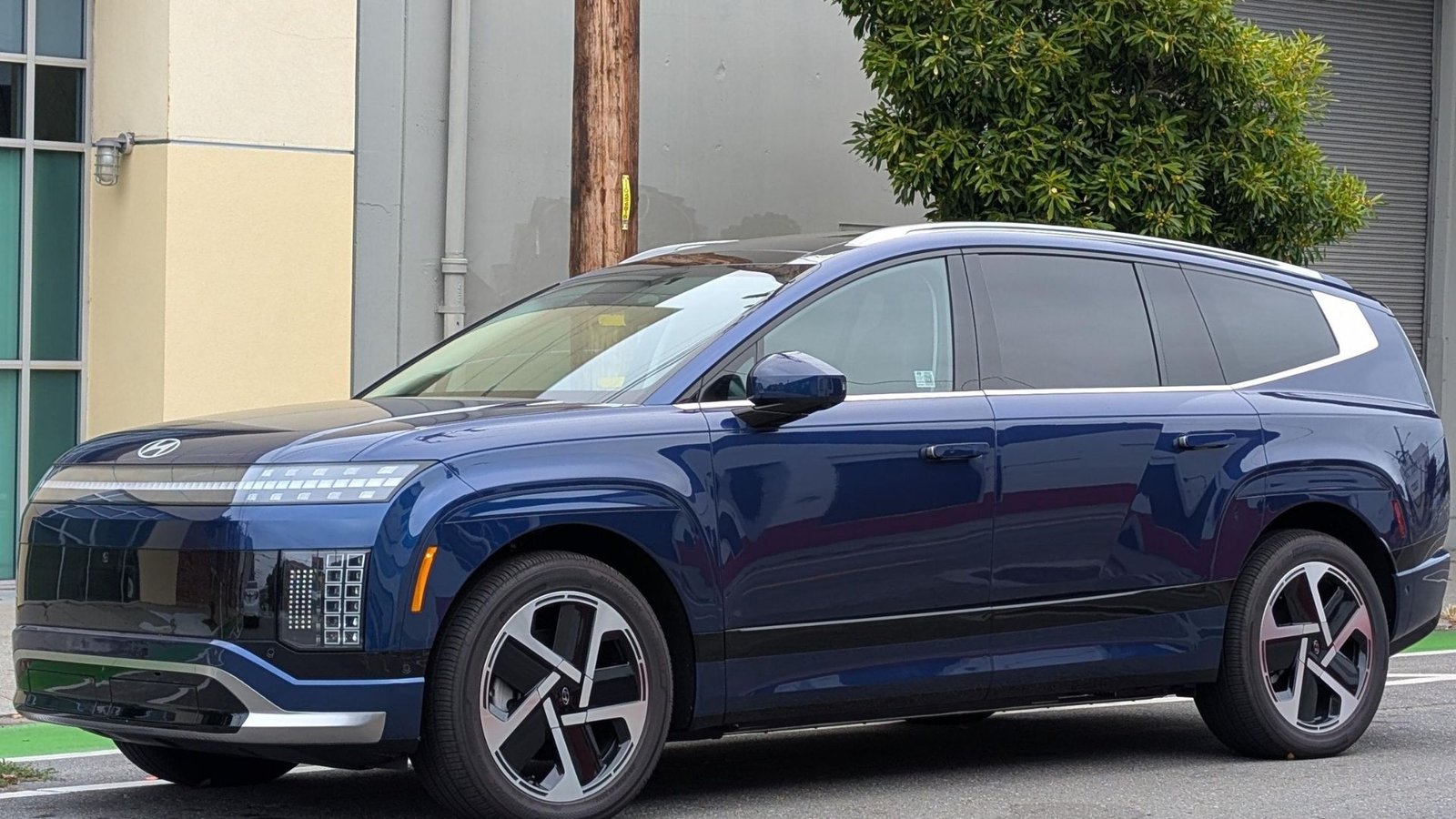
The automotive industry is undergoing a lighting revolution, with electric vehicles (EVs) leading the charge in adopting cutting-edge technologies. Pixel arrays, matrix headlights, and OLED taillights are transforming the way vehicles illuminate the road and communicate with other drivers. These advancements not only enhance safety but also offer exciting design possibilities, allowing automakers to create distinctive and visually appealing vehicles.
Pixel arrays represent a significant leap forward in headlight technology. By using a large number of individually controlled LEDs, pixel arrays can create highly precise and adaptable light patterns. This allows for features such as adaptive driving beam (ADB) systems, which can selectively dim or turn off individual LEDs to avoid dazzling oncoming drivers while still providing maximum illumination in other areas. Pixel arrays can also project images or symbols onto the road, enhancing communication and safety.
Matrix Headlights: Precision Lighting Control
Matrix headlights take a similar approach to pixel arrays, but with a focus on dynamic beam shaping. These systems use a matrix of LEDs and lenses to create a highly focused and controllable beam of light. Matrix headlights can automatically adjust the beam pattern based on driving conditions, such as speed, steering angle, and the presence of other vehicles. This ensures optimal visibility while minimizing glare for other drivers. The increased precision also allows for more creative lighting designs and animations.
OLED taillights are gaining popularity in EVs due to their exceptional brightness, contrast, and energy efficiency. OLEDs (Organic Light Emitting Diodes) produce light through an electroluminescent process, eliminating the need for a backlight. This results in a thinner, lighter, and more energy-efficient lighting system. OLED taillights can also be segmented and individually controlled, allowing for dynamic lighting effects and animations. This enhances visibility and allows automakers to create unique and eye-catching designs.
The adoption of these advanced lighting technologies in EVs is driven by a combination of factors, including increasing safety standards, consumer demand for enhanced features, and the desire for automakers to differentiate their vehicles. As EVs become more mainstream, these lighting innovations are expected to become even more widespread, transforming the automotive landscape. Beyond aesthetics, these technologies significantly improve road safety by enhancing visibility and communication between vehicles and pedestrians. The continued development and refinement of these lighting systems promise a brighter and safer future for driving.
The integration of these technologies presents challenges for manufacturers, including the need for sophisticated control systems and advanced manufacturing processes. However, the benefits of improved safety, enhanced aesthetics, and increased energy efficiency outweigh the challenges, making pixel arrays, matrix headlights, and OLED taillights key components of the next generation of EVs.
Image Source: Google | Image Credit: Respective Owner