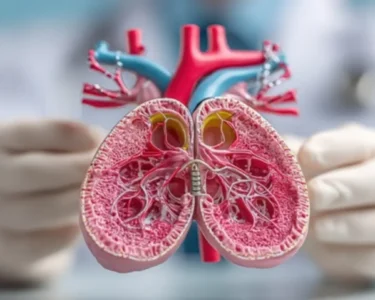
Cervical cancer, a significant health threat to women worldwide, is largely preventable through vaccination and regular screening. Experts emphasize the critical role of the Human Papillomavirus (HPV) vaccine in preventing the majority of cervical cancer cases. The HPV vaccine is most effective when administered before the onset of sexual activity, ideally between the ages of 9 and 14, offering protection against the HPV strains most commonly associated with cervical cancer.
Alongside vaccination, regular cervical cancer screening, primarily through Pap smears and HPV tests, is essential for early detection and treatment of precancerous lesions. These screenings allow healthcare professionals to identify abnormal cells before they develop into cancer, significantly improving treatment outcomes. The frequency of screening depends on individual risk factors and guidelines, but typically involves Pap smears every three years for women aged 21 to 29 and either Pap smears or HPV tests every five years for women aged 30 to 65.
Importance of Early Detection
Early detection is paramount in cervical cancer management. When detected at an early stage, the disease is highly treatable, often with minimally invasive procedures. However, if left undetected, cervical cancer can progress to advanced stages, requiring more aggressive treatments such as surgery, radiation therapy, and chemotherapy. These treatments can have significant side effects and impact a woman’s quality of life. Therefore, adhering to recommended screening schedules is crucial for minimizing the risk of advanced-stage diagnosis.
Access to vaccination and screening programs remains a challenge in many parts of the world, particularly in low-resource settings. Efforts are underway to improve access to these life-saving interventions through public health initiatives, community outreach programs, and partnerships between governments, non-governmental organizations, and healthcare providers. These efforts aim to increase awareness about cervical cancer prevention and ensure that all women have the opportunity to protect themselves from this disease.
Global Initiatives and Awareness
Raising awareness about cervical cancer and its preventability is a key component of global efforts to eliminate the disease. Education campaigns are crucial in dispelling myths and misconceptions about HPV, vaccination, and screening. These campaigns often target women, their families, and healthcare providers, emphasizing the importance of proactive health management. Additionally, promoting healthy lifestyle choices, such as avoiding smoking, can further reduce the risk of cervical cancer.
The World Health Organization (WHO) has launched a global strategy to accelerate the elimination of cervical cancer as a public health problem. This strategy calls for achieving 90% HPV vaccination coverage, 70% screening coverage, and 90% access to treatment for cervical pre-cancer and cancer by 2030. Achieving these ambitious targets requires a concerted effort from all stakeholders, including governments, healthcare providers, researchers, and the public.
In conclusion, cervical cancer is a preventable disease, and the combination of HPV vaccination and regular screening offers the best protection. By prioritizing these interventions and promoting awareness, we can significantly reduce the burden of cervical cancer and improve women’s health outcomes worldwide. Continued research and innovation are also essential for developing more effective vaccines, screening tests, and treatments.
Image Source: Google | Image Credit: Respective Owner