A new study published in the ESS Open Archive explores the application of diffusion theory to understand volcanic and magmatic processes. The research delves into how diffusion, the movement of molecules from areas of high concentration to low concentration, influences various aspects of magma formation, transport, and eruption. The paper highlights the importance of diffusion in controlling the rates of magma ascent, crystal growth, and volatile release, all of which play crucial roles in determining the style and intensity of volcanic activity.
Diffusion in Magma Chambers
The study emphasizes the role of diffusion within magma chambers, large reservoirs of molten rock beneath volcanoes. Within these chambers, chemical gradients arise due to variations in temperature, pressure, and composition. Diffusion acts to smooth out these gradients, affecting the overall homogeneity of the magma. This process influences the formation of different types of crystals and the distribution of dissolved gases, such as water and carbon dioxide. The researchers demonstrate how understanding diffusion rates can help scientists predict the timing of eruptions and the chemical composition of erupted materials.
Furthermore, the paper examines the influence of diffusion on the interaction between magma and surrounding rocks. As magma intrudes into the Earth’s crust, it can react with the adjacent rocks, leading to changes in its chemical composition. Diffusion governs the rate at which these reactions occur, ultimately impacting the evolution of the magma. The study provides insights into how diffusion processes can lead to the formation of new minerals and the release of heat, which can contribute to geothermal activity.
Applications to Volcanic Eruptions
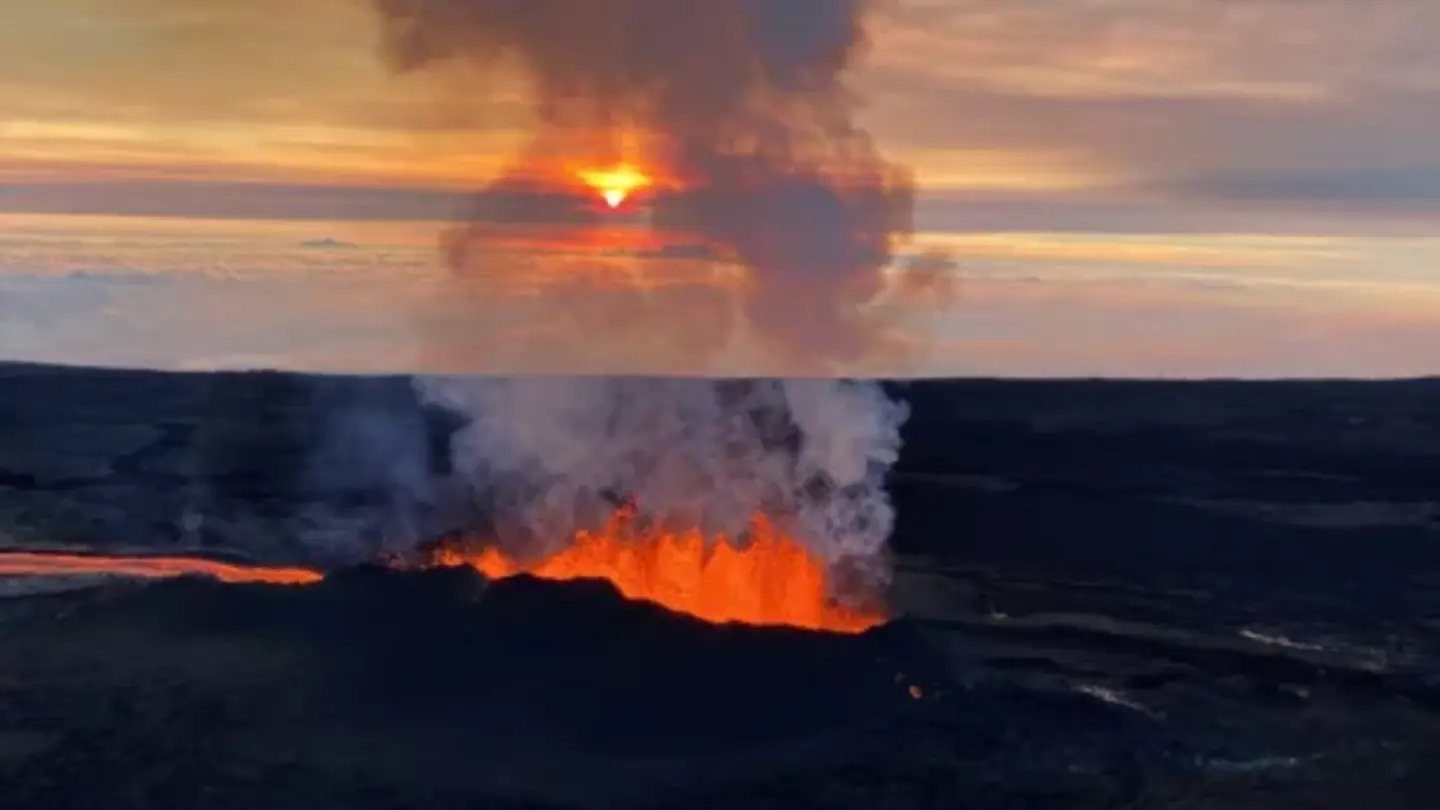
The researchers also discuss the application of diffusion theory to understanding volcanic eruptions. During an eruption, magma ascends rapidly towards the surface, undergoing significant changes in pressure and temperature. Diffusion plays a critical role in controlling the rate at which dissolved gases exsolve from the magma, forming bubbles. These bubbles can drive explosive eruptions, so understanding the factors that influence bubble formation is essential for hazard assessment. The study highlights how diffusion rates can be used to predict the explosivity of volcanic eruptions and the dispersal of volcanic ash.
The authors conclude that diffusion theory provides a powerful framework for understanding a wide range of volcanic and magmatic processes. By incorporating diffusion into numerical models, scientists can improve their ability to predict volcanic hazards and manage the risks associated with volcanic activity. Future research should focus on further refining our understanding of diffusion rates in different types of magmas and under varying conditions, in order to enhance the accuracy of volcanic forecasts. The study underscores the need for interdisciplinary collaboration between geologists, chemists, and physicists to advance our knowledge of these complex natural systems. The improved understanding will ultimately lead to better mitigation strategies for communities living near active volcanoes.
Image Source: Google | Image Credit: Respective Owner