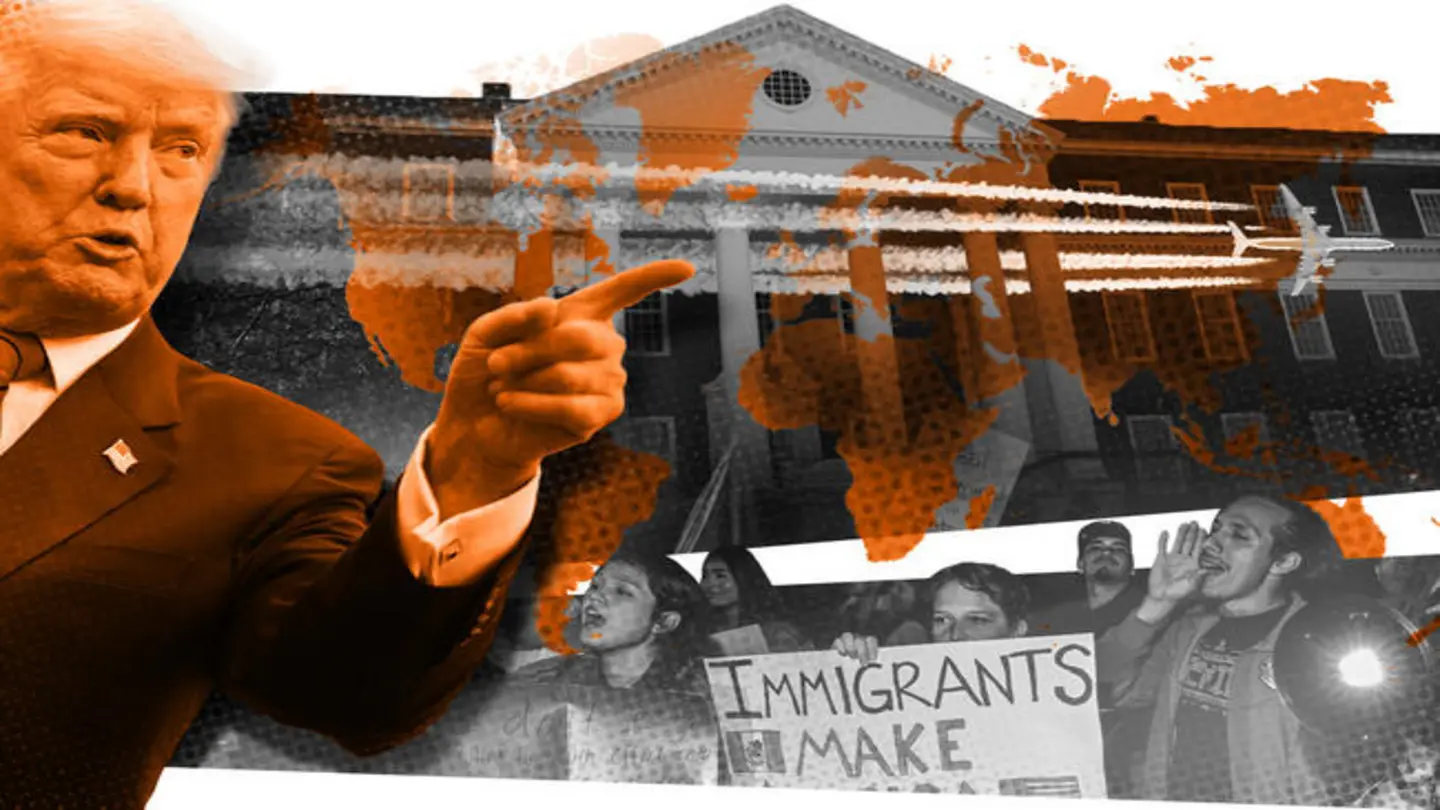
New international student enrollment in the United States experienced a significant decline during the Trump administration, according to data and experts. The decrease is attributed to a confluence of factors, including stricter immigration policies, a perception of a less welcoming environment, and increasing competition from universities in other countries.
Impact of Immigration Policies
The Trump administration implemented several policies that tightened visa requirements and increased scrutiny of international students. These measures created uncertainty and anxiety among prospective students, leading many to consider alternative destinations for their higher education. The perception of a less welcoming environment, fueled by political rhetoric and policy changes, further deterred international students from choosing U.S. institutions.
Experts note that the decline in international student enrollment has significant implications for U.S. universities. International students contribute significantly to the economy, both through tuition revenue and spending in local communities. They also bring diverse perspectives and contribute to the intellectual vibrancy of campuses.
The data reveals a sharp contrast to previous years, where international student enrollment steadily increased. The trend reversal highlights the impact of policy changes and broader perceptions on international student mobility. Universities are now grappling with the challenge of attracting and retaining international students in an increasingly competitive global market.
Competition from Other Countries
Another factor contributing to the decline is the rise of universities in other countries, such as Canada, Australia, and several European nations. These institutions have invested heavily in attracting international students, offering competitive programs and more welcoming immigration policies. As a result, the U.S. is no longer the automatic choice for international students seeking higher education.
The COVID-19 pandemic further exacerbated the situation, with travel restrictions and health concerns impacting international student mobility. While the pandemic has affected all countries, the U.S. faced additional challenges due to its handling of the crisis and its existing immigration policies.
Looking ahead, U.S. universities are exploring various strategies to reverse the decline in international student enrollment. These include strengthening recruitment efforts, streamlining visa processes, and promoting a more welcoming campus environment. However, the long-term impact of the Trump administration’s policies remains to be seen, and it may take time for the U.S. to regain its position as the leading destination for international students.
The future of international student enrollment in the U.S. hinges on addressing both policy-related and perception-related challenges. Creating a more welcoming and predictable environment, while also investing in the quality and accessibility of U.S. higher education, will be crucial for attracting the next generation of global scholars.
Image Source: Google | Image Credit: Respective Owner