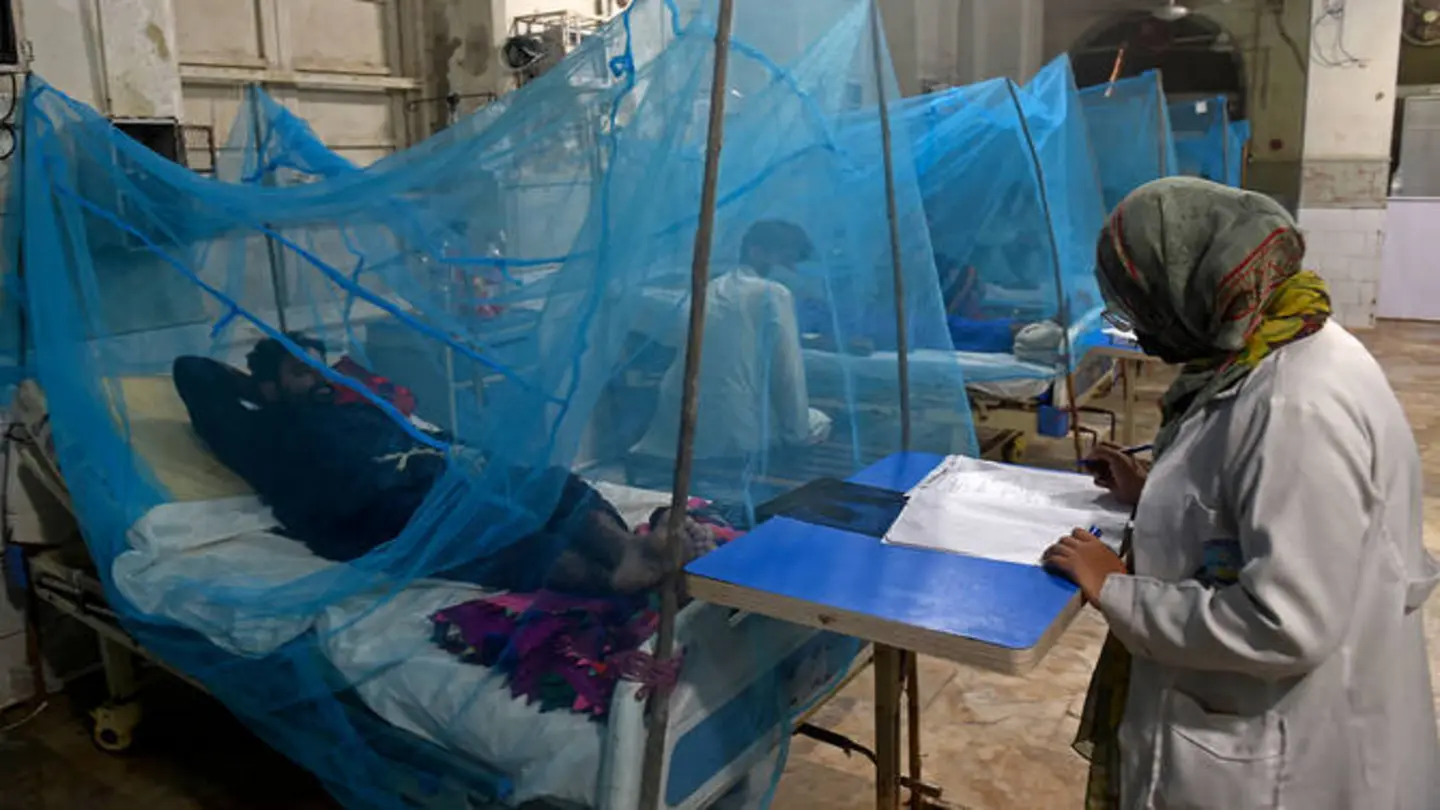
Karachi, Pakistan – The Sindh province of Pakistan is grappling with a severe dengue fever outbreak, as the death toll has tragically risen to 36, according to recent reports from Xinhua news agency. The escalating crisis has prompted heightened concerns among health officials and the public, with hospitals struggling to accommodate the growing number of patients seeking treatment for the mosquito-borne illness.
Rising Cases and Strain on Healthcare
The surge in dengue cases has placed immense pressure on the healthcare infrastructure of Sindh. Hospitals across the province are reporting a significant increase in admissions, leading to shortages of beds and medical resources. Medical personnel are working tirelessly to manage the influx of patients, but the sheer volume of cases is proving to be a formidable challenge.
Health authorities are urging the public to take precautionary measures to prevent the spread of dengue fever. These measures include eliminating stagnant water sources, using mosquito repellents, and wearing protective clothing. Public awareness campaigns are being intensified to educate communities about the symptoms of dengue and the importance of seeking timely medical attention.
Government Response and Control Measures
The Sindh government has initiated a comprehensive dengue control program aimed at curbing the spread of the disease. The program includes fogging campaigns to eliminate mosquito breeding sites, distribution of insecticide-treated nets, and community mobilization efforts. Health teams are being deployed to high-risk areas to conduct surveillance and provide on-the-spot medical assistance.
Despite these efforts, the dengue outbreak continues to spread, raising questions about the effectiveness of the control measures. Critics argue that more needs to be done to address the root causes of the problem, such as poor sanitation and inadequate waste management. There are growing calls for increased investment in public health infrastructure and preventive healthcare programs.
Challenges and Future Outlook
The dengue outbreak in Sindh underscores the vulnerability of the region to mosquito-borne diseases. Factors such as climate change, urbanization, and inadequate public health infrastructure contribute to the spread of dengue and other vector-borne illnesses. Addressing these challenges requires a multi-faceted approach that involves government, communities, and individuals.
As the dengue season continues, there are concerns that the situation could worsen in the coming weeks. Health authorities are bracing for a further increase in cases and are working to strengthen their response capacity. The focus remains on preventing new infections, providing timely treatment to those affected, and ultimately bringing the outbreak under control. The situation demands urgent and coordinated action to protect the health and well-being of the people of Sindh.
The long-term solution involves improving sanitation, promoting public awareness, and strengthening the healthcare system to effectively manage and prevent future outbreaks. The current crisis serves as a stark reminder of the importance of investing in public health and addressing the underlying factors that contribute to the spread of infectious diseases.
Image Source: Google | Image Credit: Respective Owner