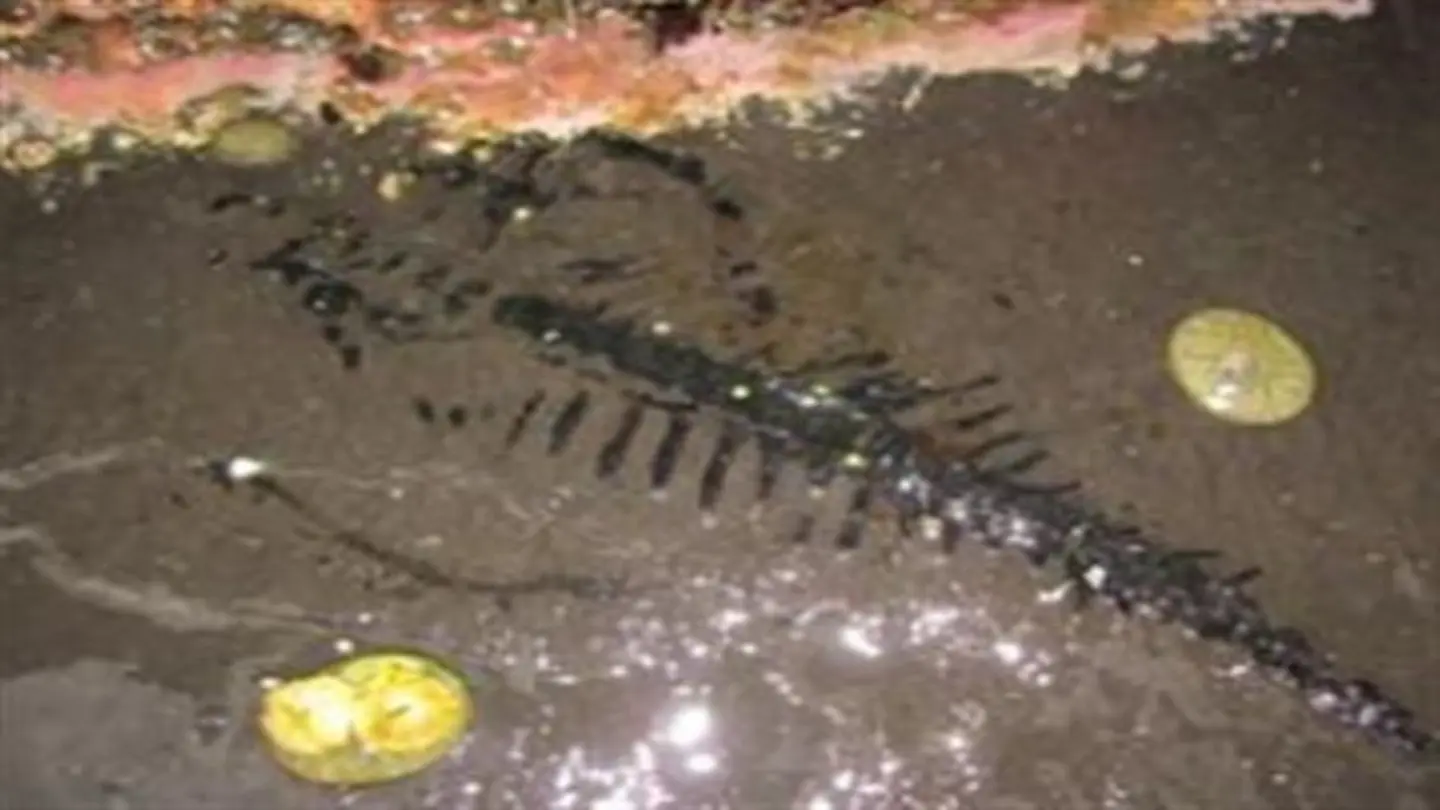
A newly discovered species of sea monster in British Columbia, Canada, is rewriting the history of marine reptiles and captivating scientists worldwide. The ancient creature, a type of thalattosaur, predates previously known species by millions of years, pushing back the timeline of marine reptile evolution. The groundbreaking find was detailed in a recent publication by Journals Of India, highlighting the significance of the discovery.
Unearthing the Past
The fossil was unearthed in British Columbia and meticulously analyzed by a team of paleontologists. Their research revealed unique skeletal features that distinguish it from other known thalattosaurs. The creature, estimated to have lived over 240 million years ago, possessed a long, slender body and a distinctive skull, suggesting a specialized feeding strategy. This discovery provides crucial insights into the early diversification of marine reptiles and their adaptation to aquatic environments.
According to the lead researcher, Dr. Emily Carter, “This fossil is a game-changer. It not only expands our understanding of thalattosaurs but also challenges existing theories about the evolution of marine reptiles. The unique characteristics of this species indicate a previously unknown lineage, adding a new chapter to the story of life in the ancient oceans.”
The research team employed advanced imaging techniques to reconstruct the fossil in detail, revealing intricate bone structures and providing a comprehensive anatomical analysis. The reconstructed model allowed them to compare the new species with other known marine reptiles, confirming its distinct evolutionary position. The findings suggest that thalattosaurs were more diverse and widespread than previously thought.
The implications of this discovery extend beyond paleontology, offering insights into the broader history of life on Earth. By studying the adaptations of ancient marine reptiles, scientists can better understand how organisms respond to environmental changes and evolve over vast periods. This knowledge is crucial for addressing current challenges related to climate change and biodiversity loss.
The discovery has sparked excitement within the scientific community, with researchers from around the world expressing interest in further analyzing the fossil. Plans are underway for additional studies that will focus on the creature’s diet, behavior, and ecological role. The researchers hope to uncover more secrets about this ancient sea monster and its place in the marine ecosystem of the past.
The fossil is currently housed at the Royal British Columbia Museum, where it will be displayed for the public to view and learn about this remarkable piece of natural history. The museum is planning an exhibit that will showcase the discovery and its significance, aiming to educate and inspire future generations of scientists and nature enthusiasts. This new species represents a vital link to understanding the deep history of life on our planet, reinforcing the importance of paleontological research and conservation efforts.
Image Source: Google | Image Credit: Respective Owner