Thyroid cancer diagnoses are on the rise in the United States, particularly among women. Experts emphasize the importance of early detection and understanding the potential symptoms. While thyroid cancer is often treatable, recognizing warning signs can significantly improve outcomes.
What is Thyroid Cancer?
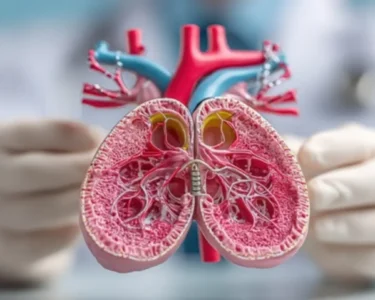
Thyroid cancer develops in the thyroid gland, a butterfly-shaped gland located at the base of the neck. The thyroid gland produces hormones that regulate metabolism, heart rate, blood pressure, and body temperature. There are several types of thyroid cancer, with papillary and follicular thyroid cancers being the most common.
The exact reasons for the increase in thyroid cancer cases are not fully understood, but improved diagnostic techniques, such as ultrasound and fine-needle aspiration biopsies, likely contribute to the rising numbers. Increased exposure to radiation, particularly during childhood, is also considered a risk factor.
Key Symptoms Women Should Watch For
Several symptoms may indicate the presence of thyroid cancer. However, it’s important to note that these symptoms can also be caused by other, less serious conditions. Therefore, it’s crucial to consult a doctor for a proper diagnosis if you experience any of the following:
- A lump or nodule in the neck: This is the most common symptom of thyroid cancer. The lump may be felt or seen in the neck.
- Swollen lymph nodes in the neck: Enlarged lymph nodes near the thyroid gland can indicate that cancer has spread.
- Hoarseness or changes in voice: Thyroid cancer can affect the vocal cords, leading to persistent hoarseness or other voice changes.
- Difficulty swallowing or breathing: A large thyroid tumor can press on the esophagus or trachea, making it difficult to swallow or breathe.
- Neck pain: While less common, neck pain that doesn’t go away can sometimes be a symptom of thyroid cancer.
Regular self-exams of the neck, along with routine medical checkups, can help in the early detection of thyroid cancer. If you notice any unusual changes or experience any of the above symptoms, prompt medical attention is recommended. Early diagnosis and treatment are critical for successful management of thyroid cancer.
Treatment options for thyroid cancer typically include surgery to remove the thyroid gland, followed by radioactive iodine therapy to destroy any remaining cancer cells. In some cases, external beam radiation therapy or chemotherapy may also be used. The prognosis for thyroid cancer is generally good, with high survival rates, especially when detected and treated early. The American Cancer Society and other organizations offer resources and support for individuals diagnosed with thyroid cancer and their families.
Image Source: Google | Image Credit: Respective Owner