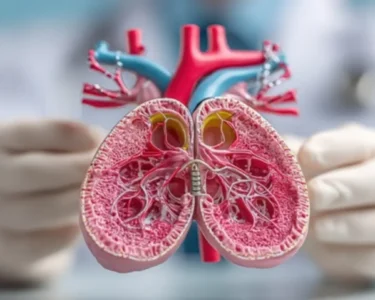
The common advice to drink more water for kidney health is being re-evaluated, particularly concerning chronic kidney disease (CKD). While adequate hydration is essential for overall well-being, the assumption that simply increasing water intake can prevent or significantly improve CKD outcomes is not entirely accurate. This article delves into the nuances of hydration and kidney function, exploring the surprising truths behind this widely held belief.
The Role of Kidneys and Hydration
Kidneys are vital organs responsible for filtering waste and excess fluids from the blood, which are then excreted as urine. They also regulate electrolyte balance and blood pressure. Dehydration can strain the kidneys, potentially exacerbating existing kidney issues. However, CKD is a complex condition often stemming from factors such as diabetes, hypertension, and genetic predispositions, making hydration only one piece of the puzzle.
Debunking the Myth
Although staying hydrated is crucial, it’s not a universal solution for preventing or treating CKD. Overhydration can be equally detrimental, especially for individuals with impaired kidney function. The kidneys’ ability to process fluids decreases in CKD, leading to fluid overload, which can cause swelling, high blood pressure, and strain on the heart. Therefore, blindly increasing water intake without considering individual kidney function and other health conditions can be harmful.
Personalized Hydration is Key
The optimal fluid intake varies depending on factors like age, activity level, climate, and underlying health conditions. People with healthy kidneys should aim for the recommended daily intake, typically around eight glasses of water. However, those with CKD need a personalized approach, often guided by a nephrologist. Doctors may recommend specific fluid restrictions or encourage increased intake of certain electrolytes to manage their condition effectively. Monitoring urine output, weight, and blood pressure can also help to adjust fluid intake appropriately.
Beyond Water: A Holistic Approach
Managing CKD involves a comprehensive strategy that extends beyond mere hydration. It includes controlling blood sugar levels, managing blood pressure, adopting a kidney-friendly diet, and avoiding nephrotoxic medications. A kidney-friendly diet typically limits sodium, potassium, and phosphorus intake, which can accumulate in the blood when kidney function is impaired. Regular exercise and maintaining a healthy weight are also crucial for slowing the progression of CKD.
The Verdict
While drinking enough water is undoubtedly important for overall health and can support kidney function, it is not a standalone solution for preventing or treating chronic kidney disease. The focus should be on personalized hydration strategies, guided by medical professionals, and a holistic approach that addresses the underlying causes and risk factors of CKD. Prioritizing a kidney-friendly lifestyle is essential for maintaining kidney health and managing CKD effectively.
Image Source: Google | Image Credit: Respective Owner