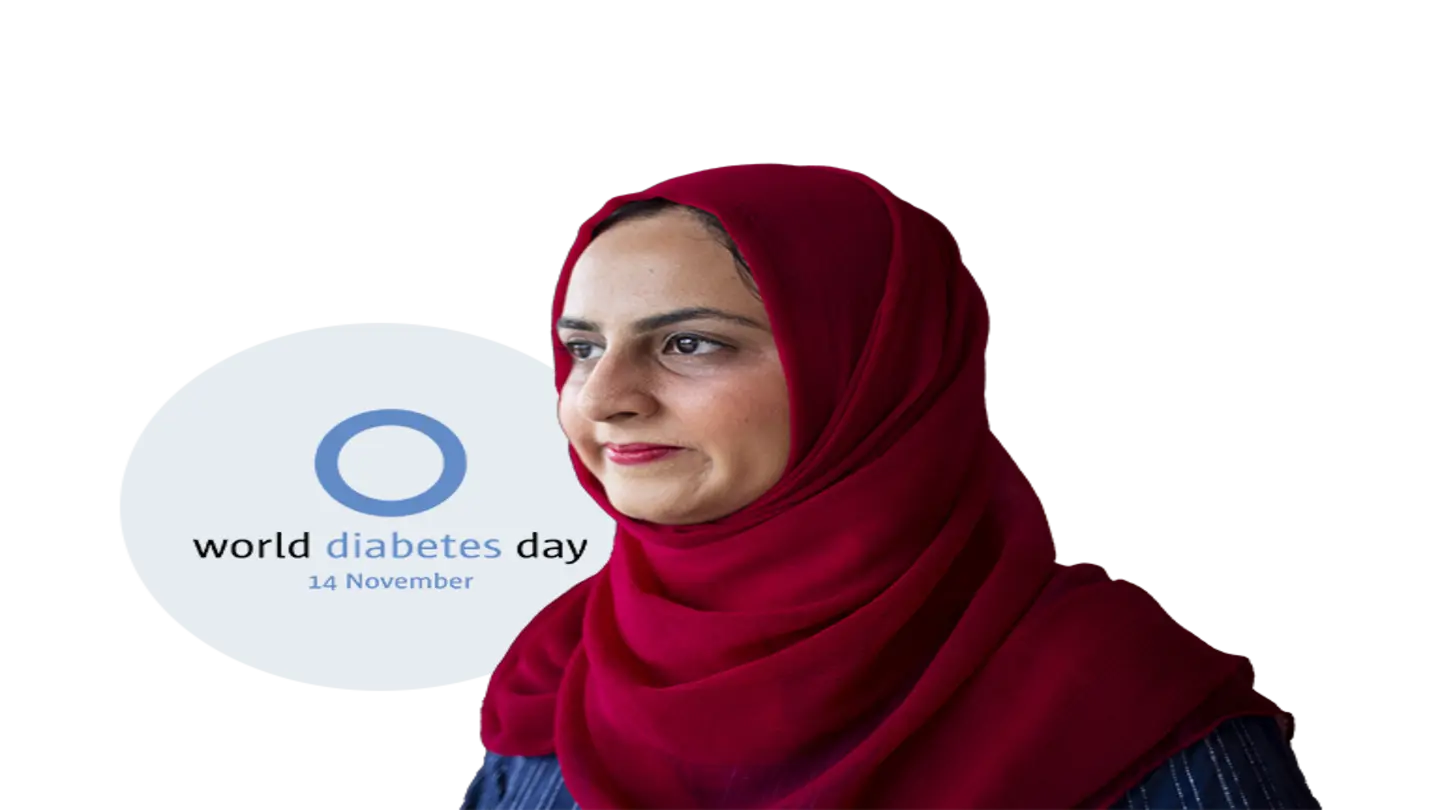
The World Health Organization (WHO) has released new global guidelines on diabetes management during pregnancy on World Diabetes Day. These guidelines aim to improve the health outcomes for both mothers and their babies by providing evidence-based recommendations for preventing and managing diabetes in pregnancy.
Diabetes in pregnancy, including gestational diabetes mellitus (GDM) and pre-existing diabetes, poses significant risks to maternal and infant health. GDM, which develops during pregnancy, can lead to complications such as pre-eclampsia, large gestational age babies (macrosomia), and increased risk of cesarean section. Babies born to mothers with diabetes are also at higher risk of developing metabolic problems and type 2 diabetes later in life.
Key Recommendations
The new WHO guidelines cover various aspects of diabetes management during pregnancy, including screening, diagnosis, treatment, and follow-up care. Key recommendations include:
- Early screening for GDM: The guidelines emphasize the importance of early screening for GDM, ideally during the first trimester of pregnancy, especially for women with risk factors such as obesity, family history of diabetes, or previous GDM.
- Lifestyle interventions: Lifestyle modifications, including healthy diet and regular physical activity, are recommended as the first-line treatment for GDM. The guidelines provide specific recommendations on dietary patterns and exercise regimens suitable for pregnant women with diabetes.
- Pharmacological treatment: When lifestyle interventions are not sufficient to achieve glycemic control, the guidelines recommend the use of insulin or metformin, depending on individual circumstances and local availability.
- Postpartum follow-up: The guidelines highlight the importance of postpartum follow-up for women with GDM to assess their risk of developing type 2 diabetes and to provide ongoing support for healthy lifestyle behaviors.
The WHO also stresses the need for integrated care models that involve collaboration between healthcare providers, including obstetricians, endocrinologists, nurses, and dietitians, to provide comprehensive care for pregnant women with diabetes. Education and empowerment of women are also key components of the guidelines, ensuring that they have the knowledge and skills to manage their condition effectively.
Global Impact
These global guidelines are intended to serve as a framework for countries to develop or adapt their own national guidelines on diabetes management during pregnancy. The WHO encourages governments and healthcare organizations to implement these recommendations to reduce the burden of diabetes in pregnancy and improve the health and well-being of mothers and their babies worldwide. By providing clear and evidence-based guidance, these guidelines aim to standardize care and promote equitable access to quality diabetes management services for all pregnant women, regardless of their location or socioeconomic status.
The launch of these guidelines on World Diabetes Day underscores the WHO’s commitment to addressing the global diabetes epidemic and promoting maternal and child health. They represent a significant step forward in improving the lives of millions of women and children affected by diabetes during pregnancy.
Image Source: Google | Image Credit: Respective Owner