ETH Zurich researchers have achieved a significant advancement in targeted drug delivery with the development of microrobots capable of navigating through the body to specific locations. These tiny robots, designed and engineered with precision, hold the potential to revolutionize treatment methods by delivering medication directly to affected areas, minimizing side effects and maximizing therapeutic impact.
Microrobot Design and Functionality
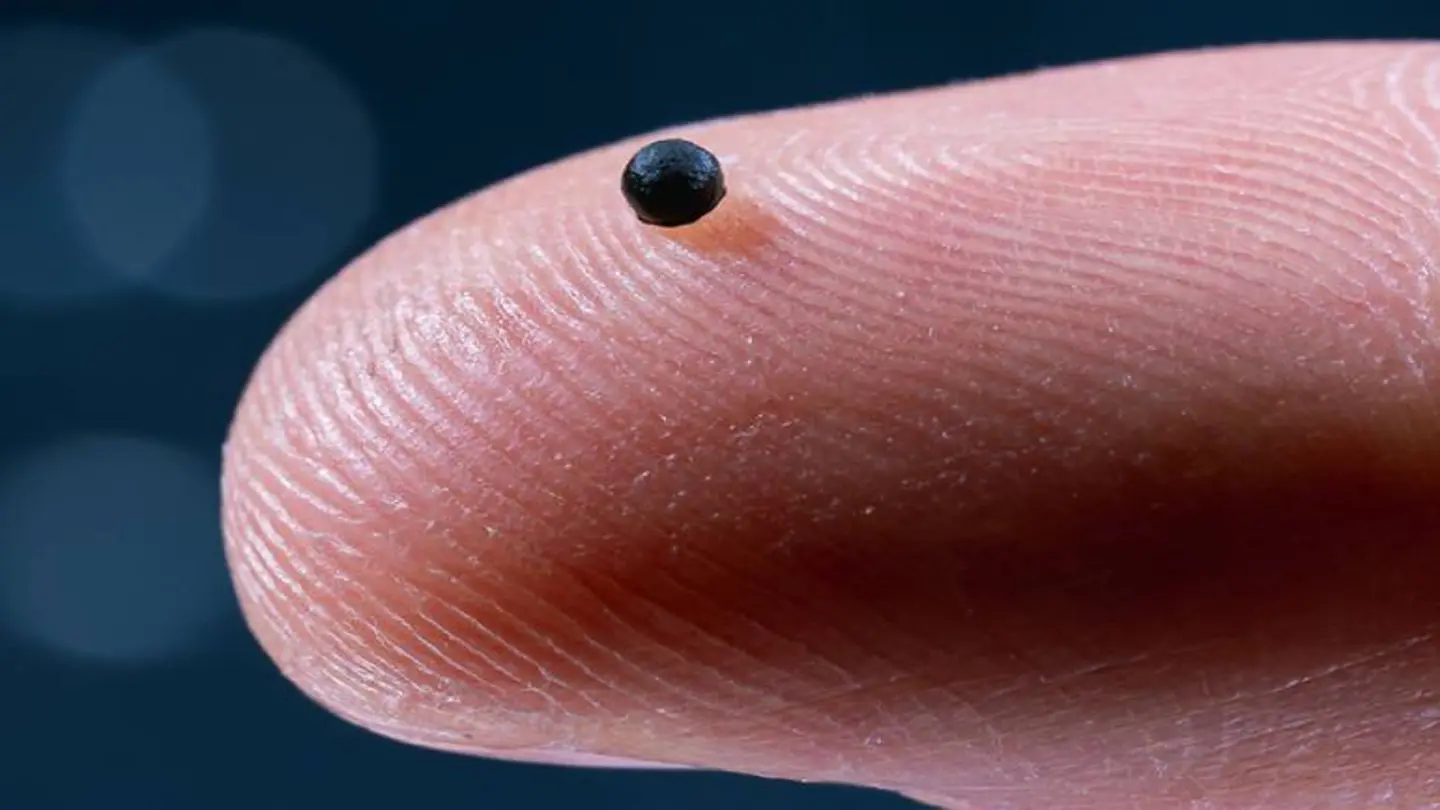
The microrobots are constructed using biocompatible materials, ensuring they are safe for use within the human body. Their small size, typically measured in micrometers, allows them to access areas previously unreachable by conventional drug delivery methods. Equipped with advanced sensors and control mechanisms, these robots can respond to external stimuli, such as magnetic fields or ultrasound, guiding them through the body’s complex environment.
One of the key features of these microrobots is their ability to carry a payload of drugs. This payload can be released at the targeted location, ensuring that the medication is concentrated where it is needed most. The release mechanism can be triggered by various factors, including changes in pH levels, temperature, or exposure to specific enzymes present at the disease site. This precise control over drug release minimizes exposure to healthy tissues, reducing the risk of adverse effects.
Potential Applications in Medicine
The potential applications of microrobots in medicine are vast and varied. They could be used to treat localized tumors by delivering chemotherapy drugs directly to cancer cells, reducing the systemic toxicity associated with traditional chemotherapy. In cardiovascular medicine, microrobots could be deployed to clear blocked arteries or deliver drugs to prevent the formation of blood clots. Furthermore, they could be used to treat inflammatory diseases by delivering anti-inflammatory drugs directly to the affected tissues.
Researchers are also exploring the use of microrobots in regenerative medicine. By delivering growth factors and other therapeutic agents to damaged tissues, these robots could promote tissue regeneration and accelerate the healing process. This approach holds promise for treating conditions such as spinal cord injuries, burns, and chronic wounds.
Future Directions and Challenges
While the development of microrobots for drug delivery represents a major breakthrough, several challenges remain. One of the main challenges is improving the navigation and control of these robots within the body. Researchers are working on developing more sophisticated control systems that can precisely guide the robots to their intended target, even in complex and dynamic environments. Another challenge is scaling up the production of these robots to make them more widely available. Overcoming these challenges will pave the way for the widespread adoption of microrobots in clinical practice, transforming the way we treat diseases and improve patient outcomes. The ongoing research and development in this field hold immense promise for the future of medicine.
Image Source: Google | Image Credit: Respective Owner