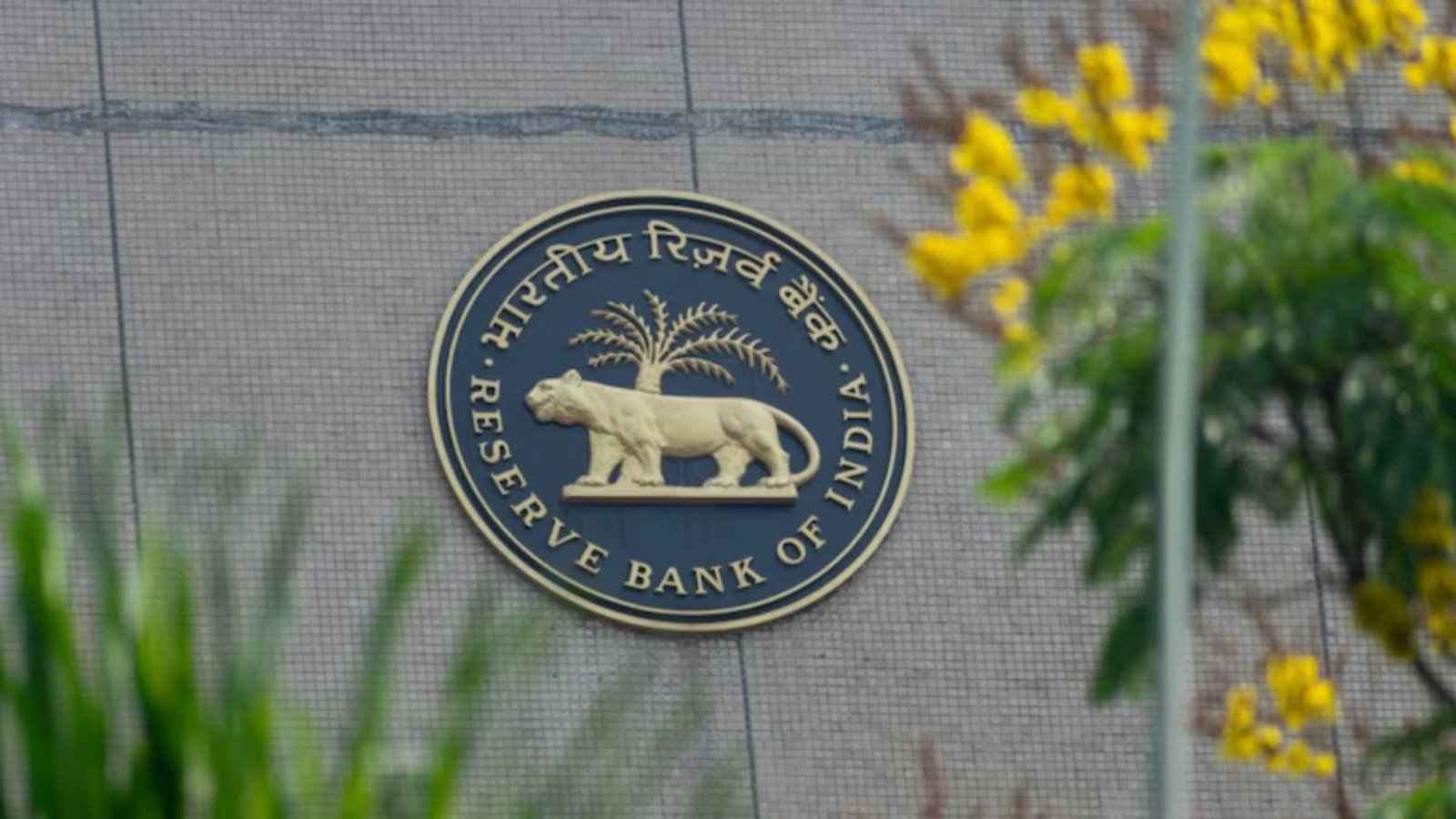
Hopes for a repo rate cut by the Reserve Bank of India (RBI) have increased significantly as retail inflation in India has reached a record low. The latest data indicates a substantial easing of inflationary pressures, prompting speculation about a potential shift in the RBI’s monetary policy stance.
The central question now is whether the RBI will respond to this favorable inflation data by lowering the repo rate, the interest rate at which it lends money to commercial banks. A rate cut could stimulate economic activity by reducing borrowing costs for businesses and consumers, potentially boosting investment and consumption. However, the RBI faces a complex decision, balancing the need to support growth with the objective of maintaining price stability.
Factors Influencing the RBI’s Decision
Several factors will likely influence the RBI’s decision-making process. One key consideration is the sustainability of the current low inflation rate. While the recent figures are encouraging, the RBI will want to ensure that this trend is not merely a temporary phenomenon. It will carefully analyze the underlying drivers of inflation, including supply-side factors, global commodity prices, and domestic demand conditions.
Another important factor is the state of the Indian economy. While a rate cut could provide a boost to growth, the RBI will also need to assess the potential risks. For example, excessive monetary easing could lead to a build-up of inflationary pressures in the future, or it could fuel asset bubbles. The central bank will also consider the external environment, including global economic conditions and the monetary policies of other major central banks.
Furthermore, the RBI will be closely watching the government’s fiscal policy. A prudent fiscal stance can complement monetary policy in maintaining macroeconomic stability. Conversely, excessive government borrowing could put upward pressure on interest rates and undermine the effectiveness of monetary policy.
The RBI’s Monetary Policy Committee (MPC) is scheduled to meet soon to deliberate on these issues and decide on the appropriate course of action. Market participants will be eagerly awaiting the outcome of this meeting, as the RBI’s decision will have significant implications for the Indian economy and financial markets.
Some economists believe that a rate cut is now warranted, given the low inflation and the need to support growth. They argue that the RBI has sufficient room to ease monetary policy without jeopardizing price stability. Others are more cautious, suggesting that the RBI should wait for more data before making a decision. They point to the potential risks of premature easing, particularly in the context of global uncertainty.
Ultimately, the RBI’s decision will depend on its assessment of the overall balance of risks and opportunities. It will carefully weigh the benefits of a rate cut against the potential costs, taking into account the evolving economic situation and the policy objectives of the central bank.
The market expects the central bank to act swiftly and reduce the rates, whereas the question remains: Will the central bank blink?
Image Source: Google | Image Credit: Respective Owner