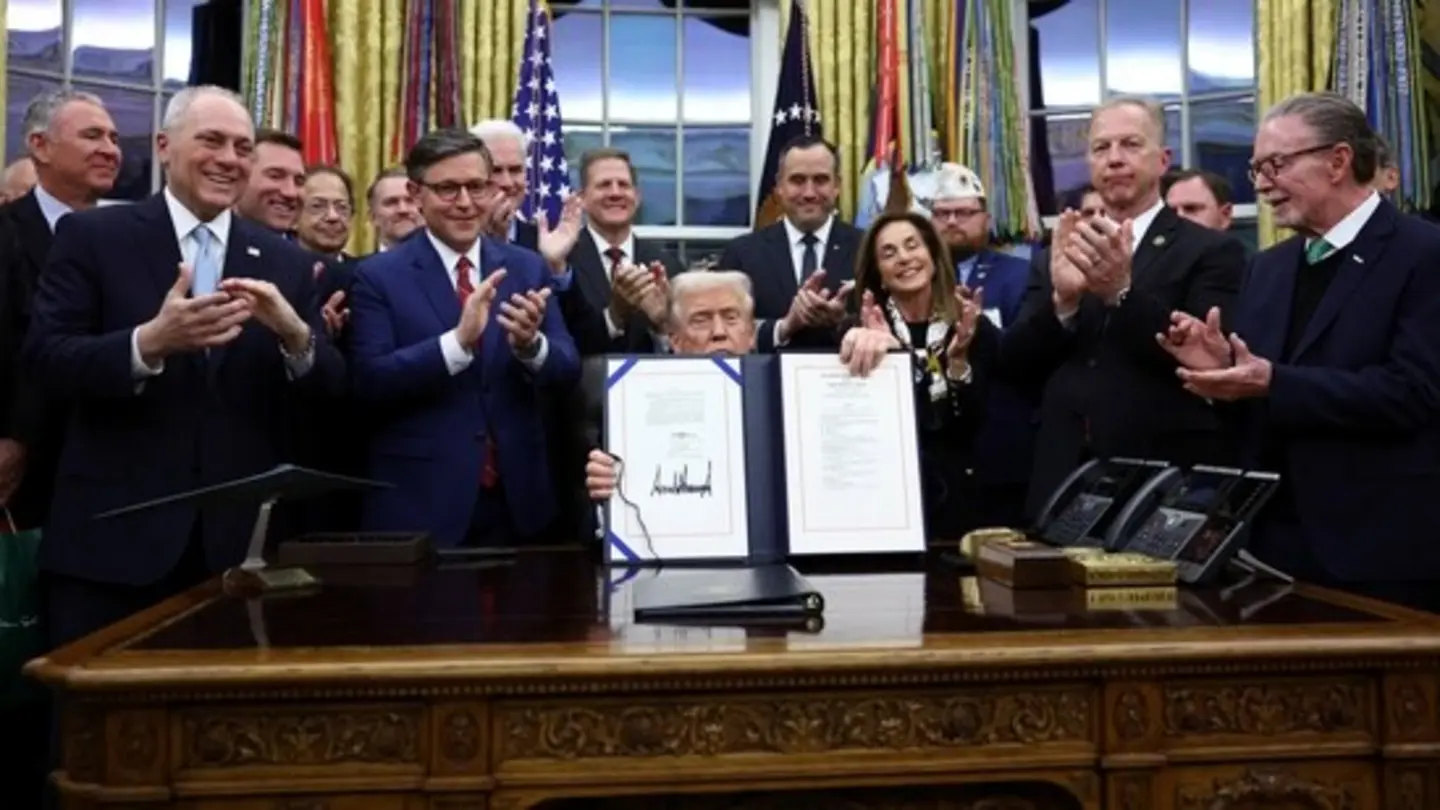
The United States government shutdown, triggered by a dispute over funding for a border wall, came to an end after a protracted political battle. President Donald Trump signed a bill to reopen the government, temporarily ending the longest shutdown in US history, which had profound consequences for federal employees and the broader economy. The resolution provided funding to keep the government running for three weeks, giving lawmakers time to negotiate a longer-term deal on border security. The immediate impact was the resumption of paychecks for approximately 800,000 federal workers who had been furloughed or were working without pay.
Shutdown’s Toll on Federal Workers
The shutdown severely impacted federal employees, many of whom struggled to make ends meet without pay. Stories of financial hardship and uncertainty dominated news coverage, highlighting the human cost of political gridlock. Food banks and community organizations stepped up to provide assistance to affected workers. The shutdown also raised concerns about the long-term effects on employee morale and the government’s ability to attract and retain talent.
Impact on Air Travel
The shutdown caused significant disruptions to air travel. The Transportation Security Administration (TSA) reported increased absenteeism among its employees, leading to longer wait times at airport security checkpoints. Air traffic controllers also faced increased strain, leading to concerns about safety. The headline specifically mentions 20,000 flight delays, illustrating the widespread impact on the aviation industry and travelers.
Negotiations and Future Uncertainty
While the government reopened, the underlying dispute over border wall funding remained unresolved. President Trump insisted on securing funds for the wall, while Democrats opposed the expenditure. The three-week extension provided a window for negotiations, but the possibility of another shutdown loomed if a compromise could not be reached. The political stakes were high, with both sides seeking to avoid blame for further disruptions.
Economic Consequences
Beyond the direct impact on federal workers, the shutdown also had wider economic consequences. Government contractors faced delays in payments, and economic activity slowed down in areas with a large federal presence. The Congressional Budget Office estimated that the shutdown cost the US economy billions of dollars. The shutdown served as a reminder of the importance of stable government funding for economic stability.
The ending of the shutdown brought relief to many, but the underlying political divisions remained. The coming weeks will be crucial in determining whether a lasting solution can be found to avoid future government shutdowns and ensure the continued functioning of essential government services. The events underscored the need for bipartisan cooperation to address complex policy challenges.
Image Source: Google | Image Credit: Respective Owner