Delhi is battling a severe air pollution crisis, prompting authorities to implement emergency measures. The deteriorating air quality has forced schools to adopt a hybrid learning model, combining online and in-person classes, to protect students from the harmful effects of the smog. Mining and construction activities have also been temporarily banned in the capital and surrounding areas to curb dust emissions, a major contributor to the pollution.
The Air Quality Index (AQI) in several parts of Delhi has consistently remained in the ‘severe’ category, posing significant health risks to residents. Experts attribute the alarming levels of pollution to a combination of factors, including vehicular emissions, industrial activities, construction dust, and stubble burning in neighboring states. The onset of winter exacerbates the situation, as cooler temperatures and stagnant air trap pollutants closer to the ground.
Government Actions and Public Response
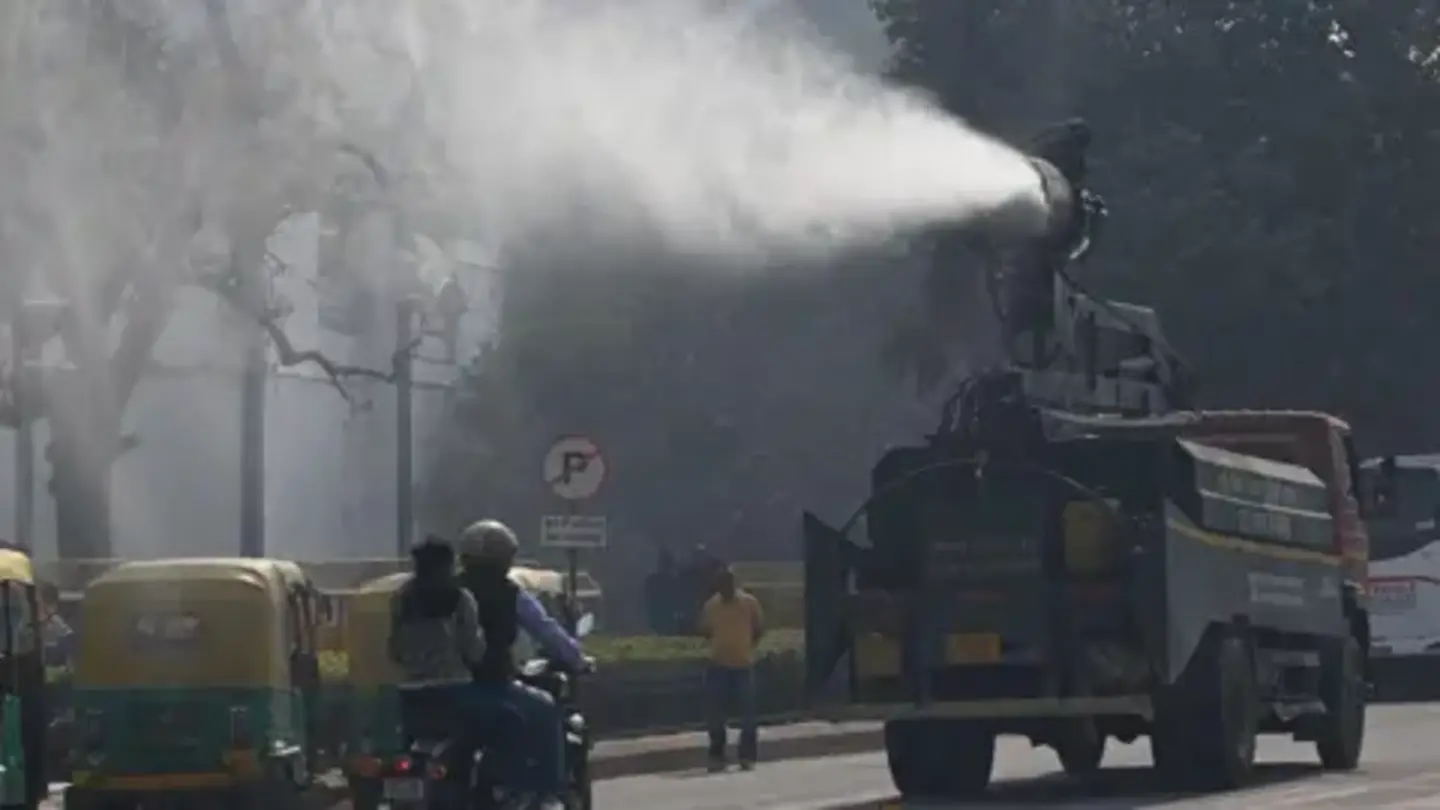
The Delhi government has announced a series of measures to combat the pollution, including intensifying efforts to control dust emissions, increasing the frequency of road sweeping and water sprinkling, and cracking down on polluting vehicles. Health advisories have been issued, urging people to stay indoors as much as possible and to use air purifiers. The government is also considering implementing the odd-even vehicle rationing scheme if the situation does not improve.
The worsening air quality has sparked widespread public concern, with many residents expressing frustration over the lack of long-term solutions to the problem. Environmental activists have called for stricter enforcement of pollution control norms and a shift towards cleaner energy sources. The issue has also become a political battleground, with opposition parties criticizing the government’s handling of the crisis.
Health Impacts and Long-Term Solutions
Prolonged exposure to polluted air can lead to a range of health problems, including respiratory illnesses, cardiovascular diseases, and even cancer. Children, the elderly, and those with pre-existing health conditions are particularly vulnerable. Health experts recommend wearing masks, avoiding strenuous outdoor activities, and seeking medical attention if experiencing breathing difficulties.
Addressing Delhi’s air pollution crisis requires a multi-pronged approach, involving both short-term emergency measures and long-term sustainable solutions. This includes investing in public transportation, promoting the use of electric vehicles, transitioning to cleaner industrial technologies, and implementing stricter regulations on construction and waste management. Collaborative efforts between the central and state governments, as well as public participation, are crucial to achieving cleaner air and a healthier environment for all.
The current situation serves as a stark reminder of the urgent need to address environmental challenges and prioritize public health. As Delhi struggles to breathe, the focus is now on implementing effective measures to mitigate the immediate crisis and prevent future recurrences.
Image Source: Google | Image Credit: Respective Owner