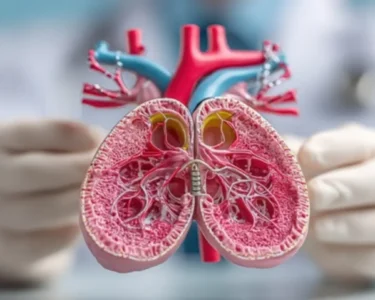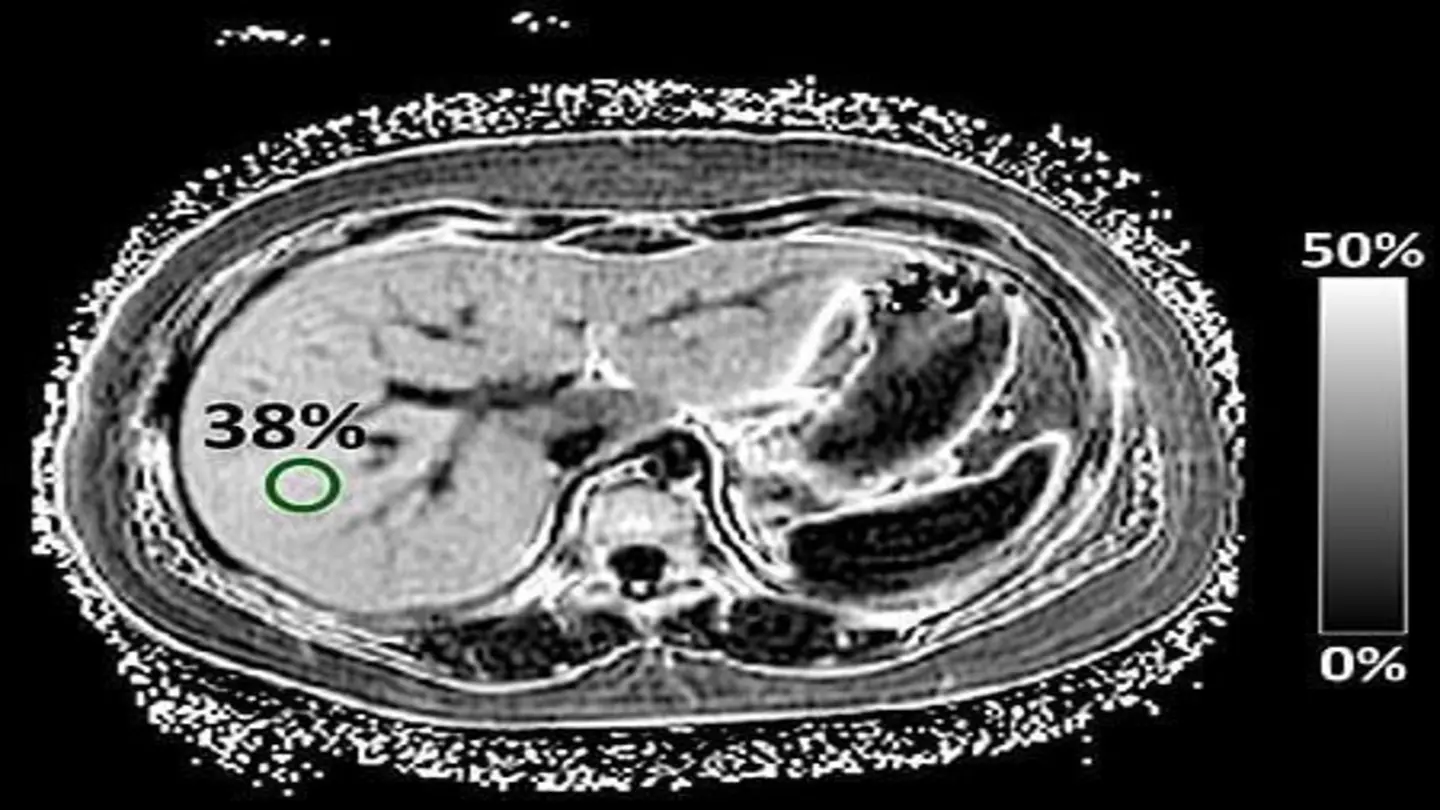
Fatty liver disease, a condition characterized by the accumulation of excess fat in the liver, is increasingly prevalent worldwide. While genetics and certain medical conditions can contribute, lifestyle factors, particularly diet, play a significant role in its development and progression. A recent report in Hindustan Times features expert advice from a hepatologist outlining specific dietary recommendations to help reduce the risk of fatty liver disease.
According to the hepatologist, dietary modifications can be instrumental in managing and even reversing fatty liver. The focus is on limiting or avoiding certain foods and beverages while emphasizing others that promote liver health. Here’s a breakdown of the key recommendations.
Foods and Drinks to Restrict or Avoid
The primary emphasis is on reducing the intake of processed foods, sugary drinks, and excessive alcohol. Processed foods are often high in unhealthy fats, added sugars, and sodium, all of which can contribute to liver inflammation and fat accumulation. Sugary drinks, such as sodas and fruit juices, are a major source of fructose, which the liver metabolizes into fat. Excessive alcohol consumption is a well-known cause of liver damage and fatty liver disease. Individuals at risk should minimize or completely abstain from alcohol.
Furthermore, the hepatologist advises limiting the consumption of refined carbohydrates, such as white bread and pasta. These foods are quickly broken down into glucose, leading to insulin spikes, which can promote fat storage in the liver. Saturated and trans fats, commonly found in fried foods and processed snacks, should also be restricted. These fats can exacerbate liver inflammation and contribute to the progression of fatty liver disease.
Foods to Consume for Liver Health
Conversely, the hepatologist recommends incorporating foods rich in antioxidants, fiber, and healthy fats into the diet. Antioxidants, found in abundance in fruits and vegetables, help protect the liver from damage caused by free radicals. Fiber, present in whole grains, legumes, and vegetables, aids in regulating blood sugar levels and promoting healthy digestion. Healthy fats, such as those found in avocados, nuts, and olive oil, can help reduce inflammation and improve liver function.
Specific foods highlighted for their beneficial effects on liver health include leafy green vegetables, cruciferous vegetables (broccoli, cauliflower, Brussels sprouts), berries, garlic, and turmeric. These foods contain compounds that support liver detoxification, reduce inflammation, and promote overall liver health. The hepatologist also suggests incorporating omega-3 fatty acids, found in fatty fish like salmon and tuna, into the diet, as they have been shown to reduce liver fat and inflammation.
The hepatologist emphasizes that dietary changes are most effective when combined with other lifestyle modifications, such as regular exercise and weight management. A balanced diet, rich in fruits, vegetables, whole grains, and lean protein, coupled with an active lifestyle, can significantly reduce the risk of developing fatty liver disease and improve overall health. Regular check-ups with a healthcare professional are also recommended for monitoring liver health and addressing any underlying medical conditions.
Image Source: Google | Image Credit: Respective Owner