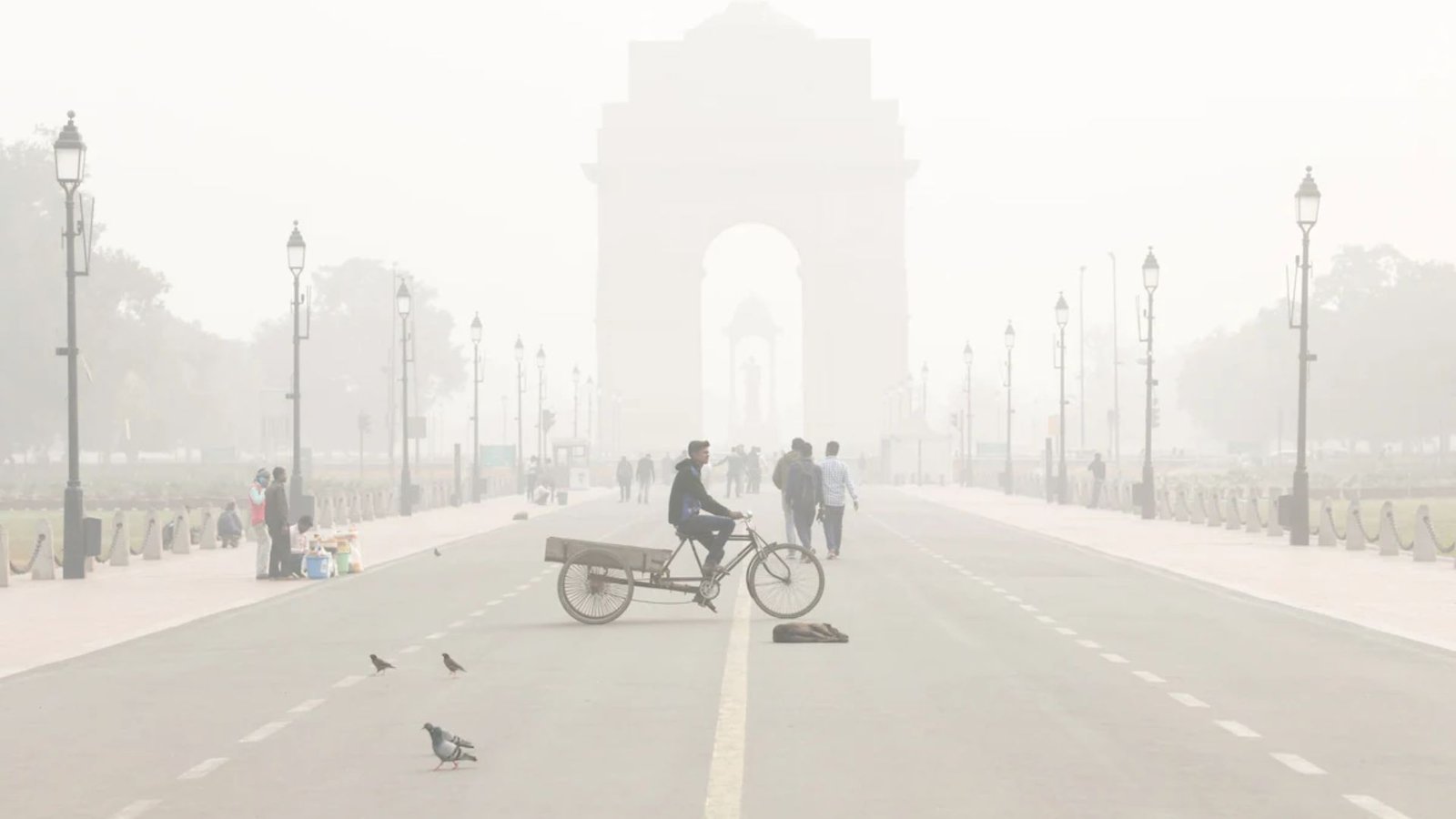
Delhi’s air quality is showing signs of improvement, according to the Commission for Air Quality Management (CAQM). As a result, authorities have decided not to implement Stage 3 of the Graded Response Action Plan (GRAP) for now. This decision brings relief to residents who were bracing for stricter restrictions. The CAQM is closely monitoring the air quality and will make further decisions based on prevailing conditions.
Factors Contributing to Improved Air Quality
Several factors have contributed to the improvement in Delhi’s air quality. Favorable meteorological conditions, such as increased wind speed, have helped disperse pollutants. Additionally, ongoing efforts to control emissions from vehicles, industries, and construction activities have played a role. The CAQM has been actively working with various stakeholders to enforce pollution control measures.
The decision to not implement GRAP 3 was taken after careful consideration of the air quality index (AQI) and weather forecasts. The AQI has shown a declining trend in recent days, indicating a reduction in pollution levels. However, authorities remain vigilant and are prepared to take swift action if the air quality deteriorates again.
GRAP Stages and Restrictions
The Graded Response Action Plan is a set of measures implemented in Delhi and surrounding areas to combat air pollution. It comprises four stages, each with progressively stricter restrictions. Stage 1 involves measures such as intensifying road sweeping and sprinkling water to suppress dust. Stage 2 includes a ban on the use of diesel generators and increased parking fees. Stage 3, which is currently not being implemented, would have involved a ban on construction and demolition activities, as well as restrictions on vehicular movement. Stage 4, the most severe, includes a complete ban on entry of trucks into Delhi, except for essential services.
The CAQM has emphasized the importance of continued vigilance and adherence to pollution control norms. Residents are encouraged to adopt eco-friendly practices, such as using public transport, carpooling, and avoiding the burning of waste. Industries and construction companies are urged to strictly comply with emission standards and dust control measures. The collaborative efforts of government agencies, industries, and citizens are crucial in ensuring sustainable improvement in Delhi’s air quality. The situation will be reviewed regularly, and further updates will be provided as necessary to keep the public informed and safe.
Experts suggest that while short-term measures provide immediate relief, long-term strategies are essential for tackling air pollution. These include promoting cleaner fuels, investing in public transportation infrastructure, and implementing stricter enforcement of environmental regulations. A comprehensive and multi-pronged approach is needed to address the complex challenges of air pollution in Delhi.
The CAQM continues to work with state governments and local authorities to implement the National Clean Air Programme (NCAP), which aims to reduce air pollution levels in cities across India. The NCAP provides a framework for coordinated action and resource allocation to combat air pollution effectively.
Image Source: Google | Image Credit: Respective Owner