The longest US government shutdown in history had far-reaching consequences, impacting everything from food aid programs to air travel. The shutdown, triggered by a political standoff over funding for a border wall, lasted for 35 days and left hundreds of thousands of federal employees without pay, forcing them to work without compensation or be furloughed.
One of the most immediate effects was the disruption of food assistance programs. The Supplemental Nutrition Assistance Program (SNAP), which provides food benefits to low-income families, faced uncertainty as funding ran low. Food banks across the country reported increased demand as families struggled to put food on the table. The Women, Infants, and Children (WIC) program, which provides nutrition assistance to pregnant women, new mothers, and young children, also faced funding challenges, raising concerns about the health and well-being of vulnerable populations.
Air Travel Disruptions
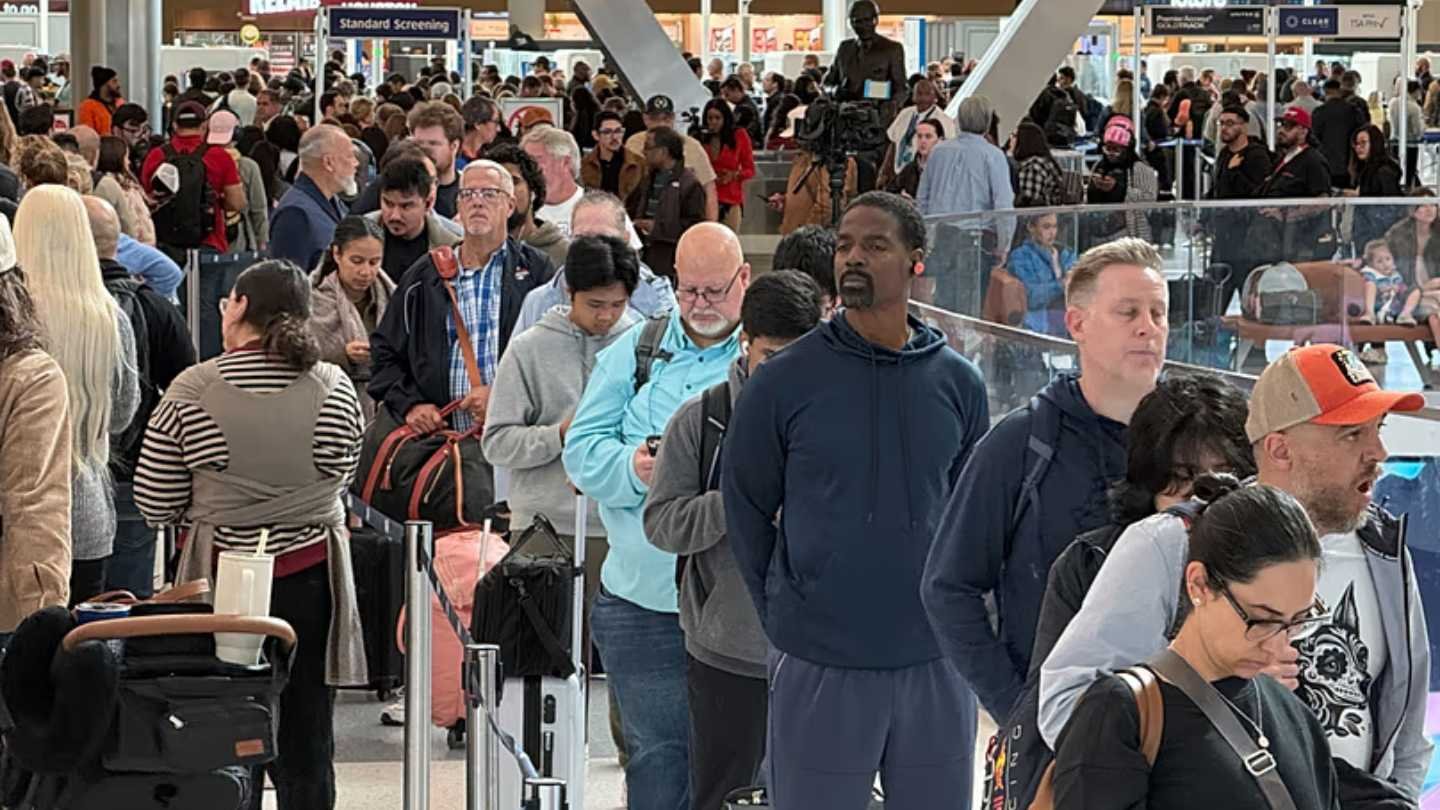
Air travel was also significantly affected. The Transportation Security Administration (TSA), responsible for airport security, saw a surge in employee absences as screeners struggled to make ends meet without paychecks. This led to longer security lines and increased wait times at airports, causing delays and frustration for travelers. Air traffic controllers, also working without pay, raised concerns about safety and fatigue, further compounding the challenges faced by the aviation system.
Beyond food aid and air travel, the shutdown impacted a wide range of government services. National parks were left unstaffed and vulnerable to vandalism. Scientific research projects were delayed or canceled. Government agencies responsible for environmental protection, consumer safety, and public health were forced to scale back operations, potentially jeopardizing the health and safety of the public. The shutdown also damaged the US economy, with estimates suggesting that it cost billions of dollars in lost economic output.
Political Fallout
The political fallout from the shutdown was significant. The standoff between the White House and Congress exposed deep divisions in American politics and raised questions about the ability of the government to function effectively. The shutdown also fueled public anger and frustration, with polls showing that a majority of Americans blamed both the president and Congress for the impasse. The long-term consequences of the shutdown remain to be seen, but it is clear that it has left a lasting mark on the American political landscape.
The shutdown ultimately ended when a temporary funding bill was passed, reopening the government and providing back pay to federal employees. However, the underlying political divisions that led to the shutdown remain unresolved, raising the possibility of future government shutdowns. The experience served as a stark reminder of the importance of compromise and cooperation in government and the potential consequences of political gridlock.
Image Source: Google | Image Credit: Respective Owner