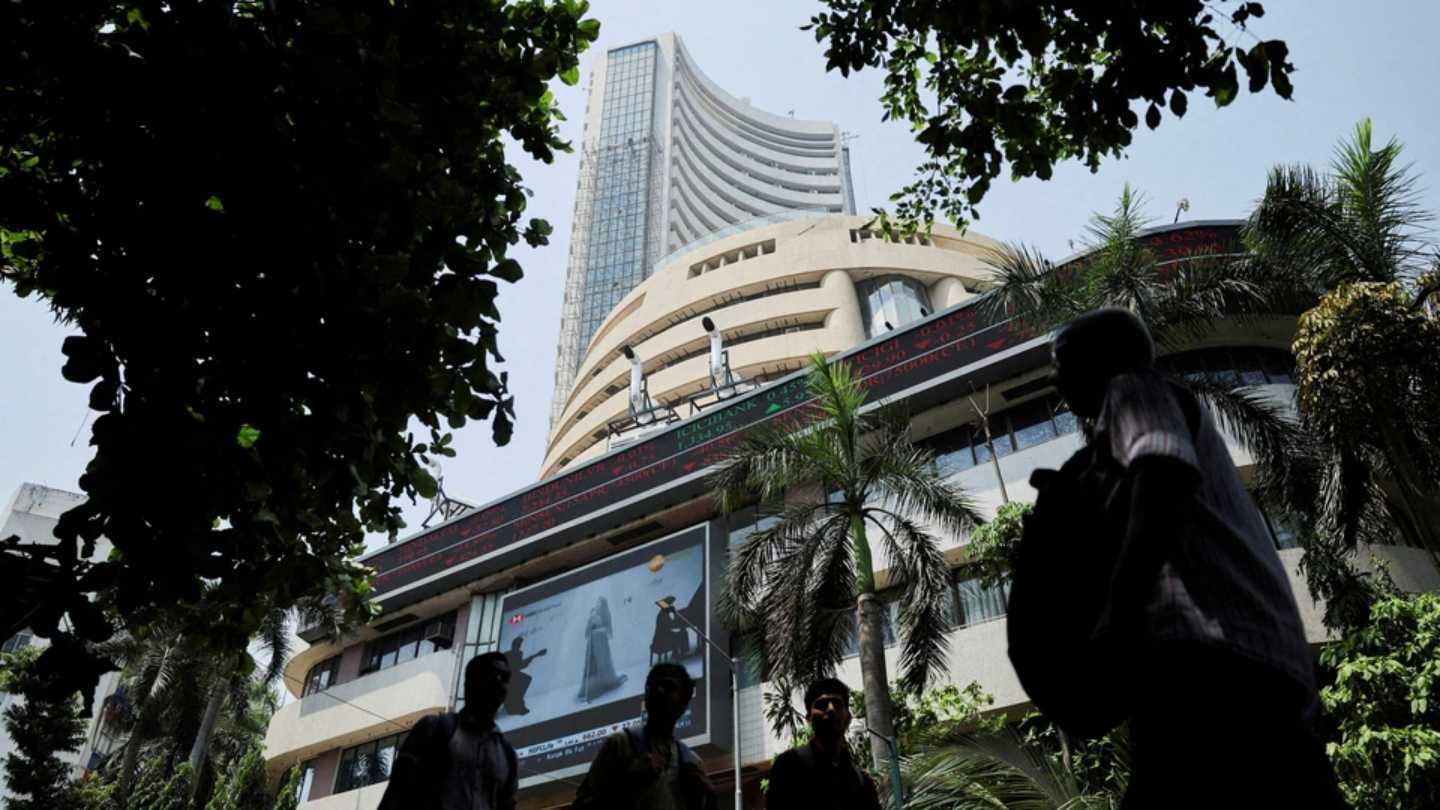
The Indian stock market witnessed a volatile trading session today, with the Sensex closing 95 points lower and the Nifty 50 ending below the 25,500 mark. Several factors contributed to the market’s performance, including global cues, sectoral trends, and specific stock movements. Here’s a summary of the key highlights from today’s trading session:
Market Performance
The Sensex, the flagship index of the Bombay Stock Exchange (BSE), closed at [insert final Sensex value] after experiencing fluctuations throughout the day. The Nifty 50, the index representing the top 50 companies listed on the National Stock Exchange (NSE), ended below the crucial 25,500 level, reflecting a cautious sentiment among investors. Mid-cap and small-cap stocks also experienced mixed performance, with some sectors outperforming others.
Sectoral Analysis
Among the various sectors, banking and financial services faced selling pressure due to concerns over asset quality and rising interest rates. However, select private sector banks showed resilience. The IT sector remained relatively stable, supported by positive earnings guidance from some companies. The auto sector witnessed mixed performance, with some companies benefiting from festive season demand, while others faced challenges due to supply chain disruptions. Pharma stocks saw buying interest due to defensive characteristics.
Key Stocks in Focus
Specific stocks that influenced market movements included [insert stock 1], which experienced a notable surge due to [reason for the surge]. Conversely, [insert stock 2] faced selling pressure following [reason for the decline]. Other stocks that remained in focus were [insert stock 3] and [insert stock 4], driven by [respective reasons]. Investor activity was largely influenced by earnings updates and management commentary.
Global Cues
Global market trends played a significant role in shaping investor sentiment. Concerns over rising inflation and potential interest rate hikes by central banks dampened risk appetite. The ongoing geopolitical tensions in [mention region] added to the uncertainty, prompting investors to adopt a cautious approach. The performance of major Asian and European markets also influenced trading patterns in India.
Expert Opinion
Market analysts suggest that investors should remain selective and focus on fundamentally strong companies with long-term growth potential. They advise against panic selling and advocate for a diversified portfolio to mitigate risks. Technical analysts point to key support and resistance levels for the Nifty 50, which could determine the near-term market direction.
Future Outlook
Going forward, the market’s performance will likely be influenced by factors such as inflation data, the Reserve Bank of India’s (RBI) monetary policy decisions, and global economic developments. Corporate earnings will continue to be a key driver. Investors should closely monitor these factors to make informed investment decisions.
Image Source: Google | Image Credit: Respective Owner