NASA has announced what it calls a “groundbreaking discovery” suggesting compelling evidence of life on Mars, igniting excitement within the scientific community and beyond. The announcement, detailed in a press briefing earlier today, presented data collected from the Perseverance rover and the Ingenuity helicopter, painting a picture of a potentially habitable environment on the Red Planet.
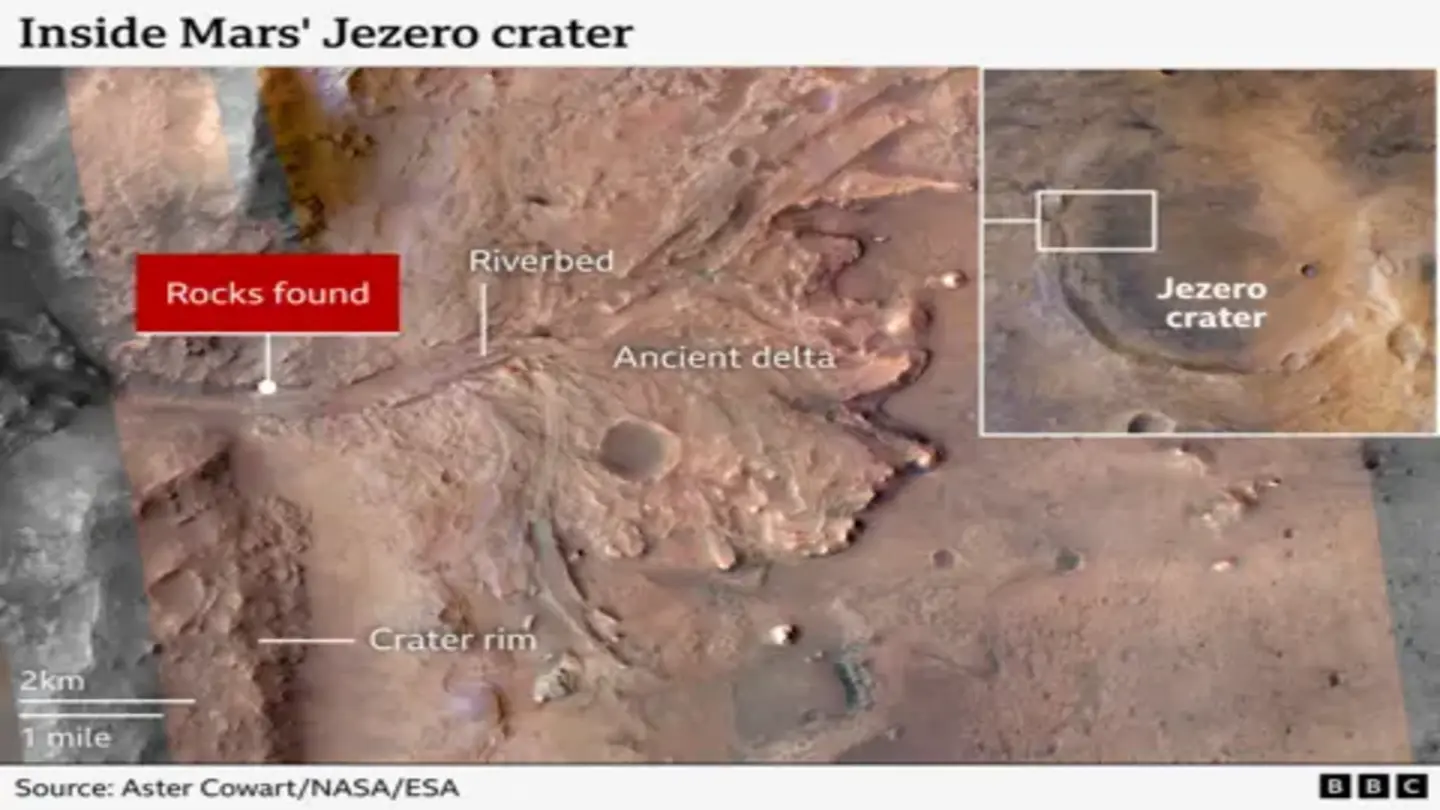
The evidence centers around the detection of complex organic molecules and methane fluctuations within the Martian soil. These findings, while not definitive proof of life, strongly suggest biological activity could be present or have existed in the past. The organic molecules, discovered in the Jezero Crater, a location believed to have once been a lake, are more complex than any previously found on Mars.
Key Findings from the Perseverance Rover
The Perseverance rover has been instrumental in gathering the crucial data. Equipped with advanced scientific instruments, it analyzed soil samples and atmospheric conditions. The rover’s drill extracted samples from various locations within the crater, revealing the presence of carbon-based compounds crucial for life as we know it. Furthermore, the rover detected fluctuating levels of methane, a gas often produced by living organisms, in the Martian atmosphere. While methane can be produced by geological processes, the fluctuations observed suggest a possible biological origin.
NASA scientists emphasized the need for further investigation to confirm the presence of life definitively. The samples collected by Perseverance are intended to be returned to Earth in a future mission for more detailed analysis. This will allow scientists to conduct experiments not possible on Mars, potentially uncovering the definitive answer to the question of whether life exists beyond Earth.
Implications for Future Exploration
The discovery has significant implications for future Mars exploration missions. It strengthens the argument for continued investment in robotic and eventually human missions to the Red Planet. The search for life beyond Earth has always been a central goal of space exploration, and this discovery brings us closer to potentially answering one of humanity’s fundamental questions. This discovery is expected to spur more investment in space research, focusing on developing more advanced instruments and technologies to analyze Martian soil and atmosphere.
The announcement has been met with enthusiasm from space agencies worldwide. Collaborations between NASA, ESA (European Space Agency), and other organizations are likely to intensify as scientists work together to unravel the mysteries of Mars. The quest to understand the possibility of life on Mars is now entering a new and exciting chapter, potentially reshaping our understanding of the universe and our place within it. The evidence points towards a richer, more biologically active history of Mars than previously imagined.
Image Source: Google | Image Credit: Respective Owner