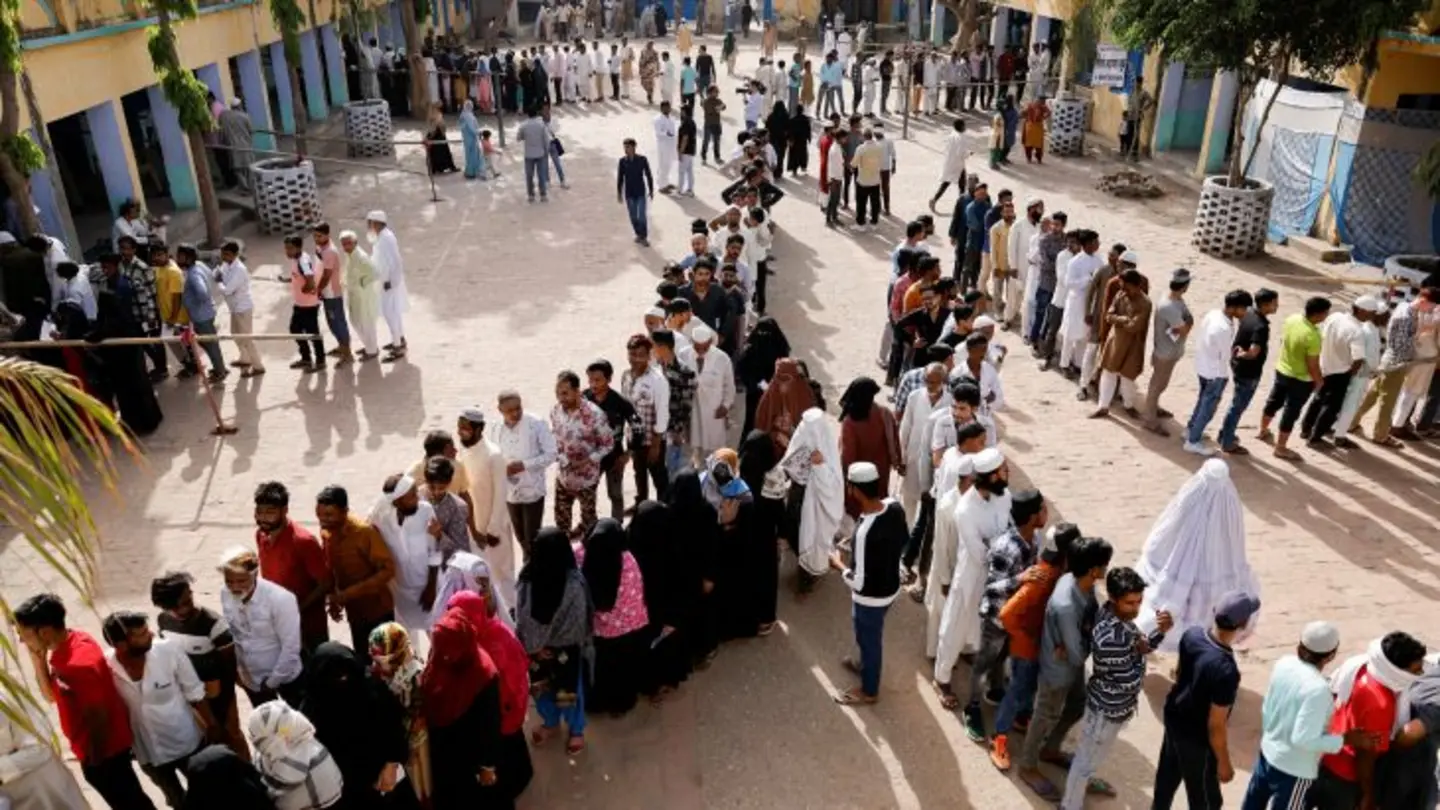
The first phase of the Bihar elections, scheduled for November 6, is poised to be a crucial test for numerous prominent political figures and smaller parties vying for influence in the state. This initial round of voting will set the tone for the subsequent phases and significantly impact the overall outcome of the elections.
Several high-profile candidates are contesting in this phase, including ministers in the current state government and seasoned politicians with established track records. Their performance in these constituencies will not only determine their individual political futures but also reflect on the performance and popularity of their respective parties.
Key Constituencies to Watch
Several constituencies have emerged as key battlegrounds due to the presence of influential candidates or the historical political dynamics of the region. These include areas where there is a close contest between the ruling coalition and the opposition, as well as those where smaller parties hold significant sway.
The election also marks a crucial moment for smaller regional parties who are hoping to increase their representation in the state legislature. These parties often play a kingmaker role in coalition governments, and their performance in this election will determine their bargaining power in the future.
The issues dominating the campaign in this phase include unemployment, development, and social justice. Candidates are focusing on addressing these concerns through promises of job creation, improved infrastructure, and policies aimed at empowering marginalized communities. The outcome of the election will hinge on which party or coalition can effectively connect with the voters and convince them of their commitment to addressing these pressing issues.
The Election Commission has made extensive arrangements to ensure free and fair polls, including the deployment of security forces to maintain law and order and the implementation of strict measures to prevent electoral malpractices. The voter turnout in this phase will be closely watched as an indicator of the overall enthusiasm and engagement of the electorate.
Political analysts suggest that the results of the first phase will provide valuable insights into the prevailing mood of the voters and the effectiveness of the different campaign strategies employed by the parties. This information will be crucial for parties to adjust their approach in the subsequent phases and maximize their chances of success.
Ultimately, the first phase of the Bihar elections is not just a test of individual candidates but a referendum on the political landscape of the state. The results will have far-reaching consequences for the future of Bihar and its people.
Image Source: Google | Image Credit: Respective Owner