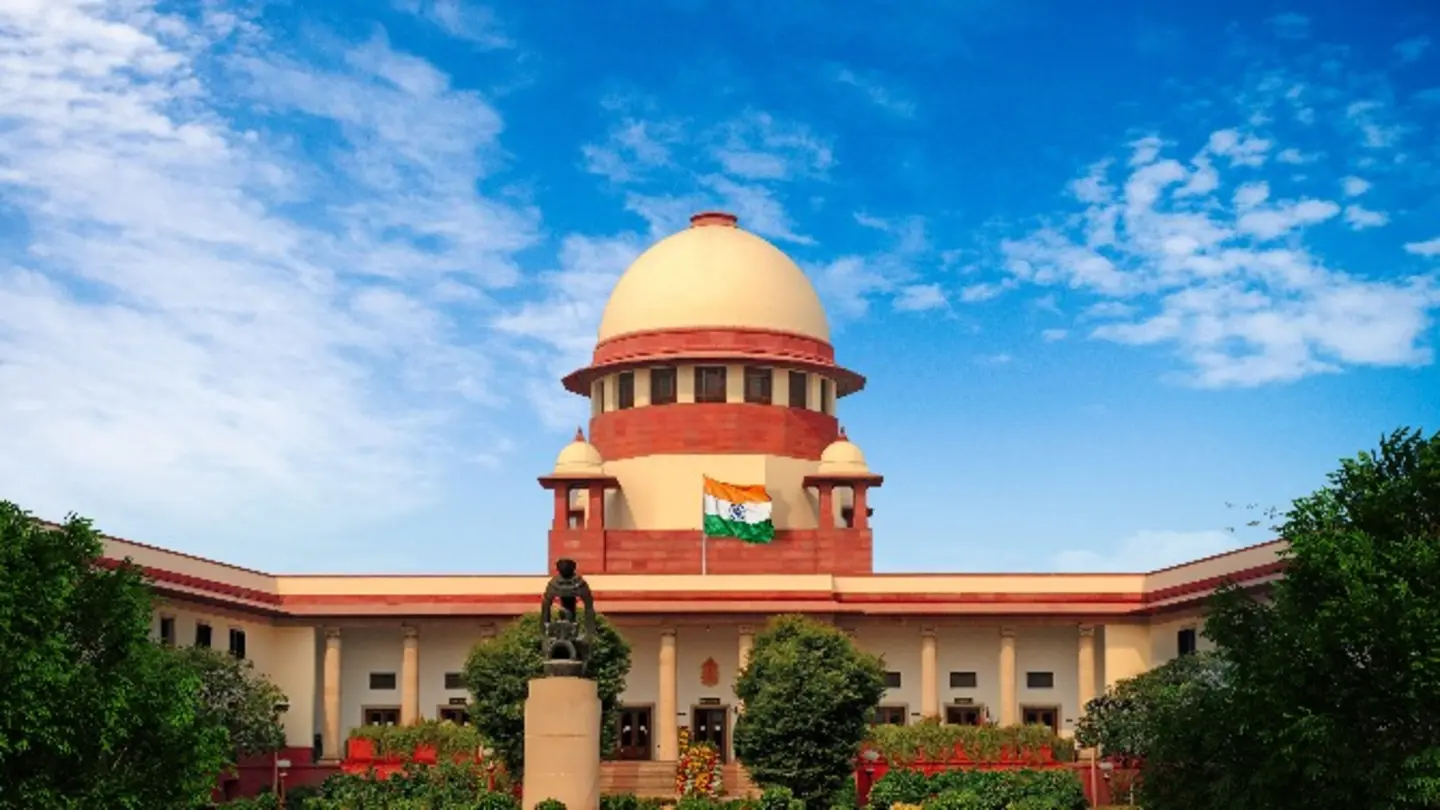
The Supreme Court has requested a response from the Central Government regarding a petition seeking a nationwide ban on online gambling platforms operating as ‘games of skill.’ The petition argues that these platforms, despite being presented as skill-based games, often involve elements of chance and can lead to financial distress and addiction, particularly among vulnerable populations. The court’s decision to seek the Centre’s input underscores the seriousness with which it is treating the matter, recognizing the potential societal impact of online gambling.
The plea highlights concerns about the addictive nature of online games that involve wagering and the potential for users to incur significant financial losses. It contends that many online gambling platforms exploit legal loopholes by marketing themselves as games of skill, thus circumventing regulations designed to prevent gambling addiction and protect consumers. The petitioner argues that the distinction between games of skill and games of chance is often blurred, particularly in the context of online platforms where algorithms and other mechanisms can influence outcomes.
Arguments Presented in the Petition
The petition points to instances of individuals facing severe financial hardship and mental health issues as a direct result of their involvement with online gambling. It alleges that the accessibility and ease of use of these platforms contribute to compulsive behavior, making it difficult for users to control their spending and ultimately leading to devastating consequences for themselves and their families. The petitioner emphasizes the need for stricter regulation of online gambling platforms to safeguard the financial and psychological well-being of citizens.
Potential Implications of the Case
The Supreme Court’s decision on this matter could have far-reaching implications for the online gaming industry in India. A ban on online gambling platforms would undoubtedly impact the revenue and operations of numerous companies operating in this space. Conversely, a decision to uphold the legality of these platforms, albeit with stricter regulations, could pave the way for a more regulated and transparent online gaming market. The Centre’s response, and the subsequent ruling by the Supreme Court, will likely shape the future of online gambling in the country.
The case also raises important questions about the role of the government in regulating online activities and protecting citizens from potential harm. Balancing the economic benefits of a thriving online gaming industry with the need to prevent gambling addiction and financial distress is a complex challenge. The Supreme Court’s decision will likely reflect a careful consideration of these competing interests.
Broader Context of Online Gambling Regulation
The debate surrounding online gambling regulation is not unique to India. Many countries around the world are grappling with similar issues, as the proliferation of online gaming platforms has created new challenges for regulators. Different jurisdictions have adopted varying approaches, ranging from outright bans to comprehensive regulatory frameworks designed to protect consumers and prevent problem gambling. The Indian Supreme Court’s decision will be closely watched by other nations as they seek to navigate the complex landscape of online gambling regulation.
This case underscores the increasing importance of addressing the societal implications of rapidly evolving technologies and the need for proactive regulation to mitigate potential risks while fostering innovation and economic growth.
Image Source: Google | Image Credit: Respective Owner