Fitbit, once a dominant force in the fitness tracker market, is gearing up for a significant resurgence in 2025 with a new lineup of devices. The brand, now under Google’s umbrella, aims to recapture its former glory by addressing past shortcomings and leveraging Google’s technological prowess. This move has generated considerable excitement among fitness enthusiasts who have long admired Fitbit’s user-friendly interface and comprehensive tracking capabilities.
A Fresh Start for Fitbit
The anticipation surrounding the new Fitbits stems from a perceived decline in recent years, with some users feeling that the brand had lost its way. However, the upcoming releases promise a renewed focus on core strengths, combined with innovative features powered by Google’s advanced algorithms and hardware integration. This strategic shift is expected to address concerns about battery life, accuracy, and overall user experience.
One of the key areas of improvement is rumored to be the integration of Google’s AI capabilities for personalized fitness recommendations. This would allow the devices to provide more tailored insights and guidance, helping users achieve their fitness goals more effectively. Furthermore, there’s speculation about enhanced sleep tracking features, potentially incorporating Google’s sleep-sensing technology for more detailed analysis and actionable advice.
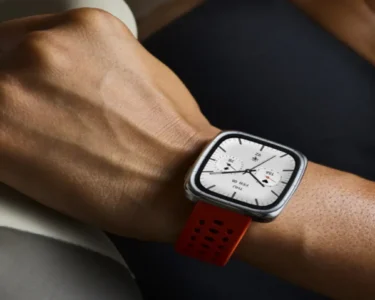
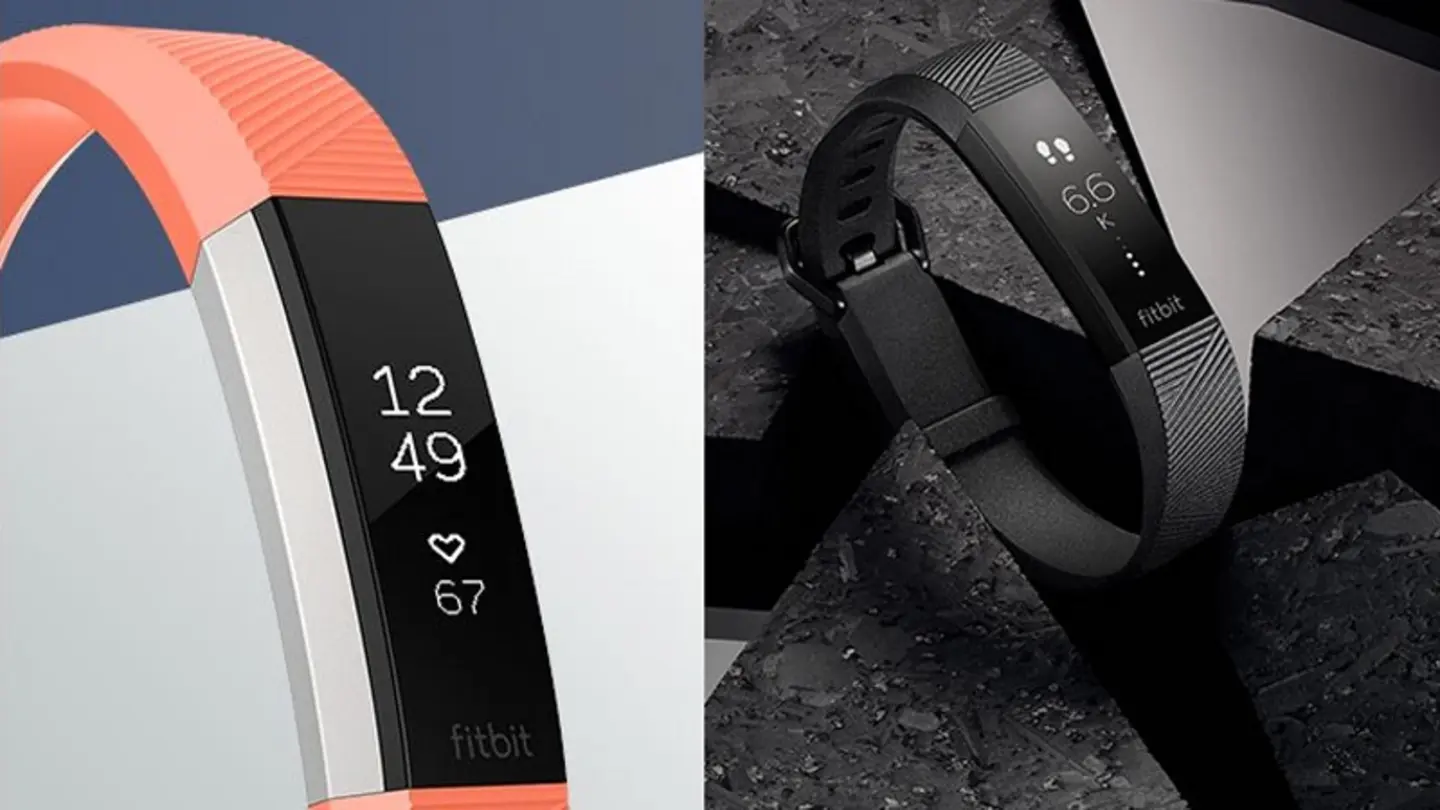
Beyond software enhancements, the new Fitbits are also expected to feature updated hardware designs, incorporating improved sensors for more accurate data collection. This could include more precise heart rate monitoring, GPS tracking, and activity recognition. The devices may also sport more durable and stylish designs, appealing to a broader range of users. The commitment to high-quality materials and ergonomic designs should make the new line more attractive to users.
The return to form would solidify Fitbit’s position in the market and ensure its long-term success. The brand faces stiff competition from Apple, Samsung, and Garmin, all of whom offer a wide range of fitness trackers and smartwatches. To stand out, Fitbit must deliver a compelling combination of features, performance, and value. The expectations are particularly high, given Google’s backing and the potential for seamless integration with the broader Google ecosystem.
The successful integration with other Google services and devices could also be a significant advantage. Imagine being able to easily sync your fitness data with Google Fit, control your smart home devices from your wrist, or receive personalized recommendations based on your Google Calendar events. Such seamless integration could provide a unique and compelling user experience that differentiates Fitbit from its competitors. The company’s direction toward its original identity has many eager to see the new products.
The launch of the new Fitbits in 2025 will be a critical moment for the brand. It will determine whether Fitbit can successfully reclaim its position as a leader in the fitness tracker market and regain the trust of its loyal user base. The improvements are expected to be a significant step forward for the brand, potentially setting a new standard for fitness tracking technology.
Image Source: Google | Image Credit: Respective Owner