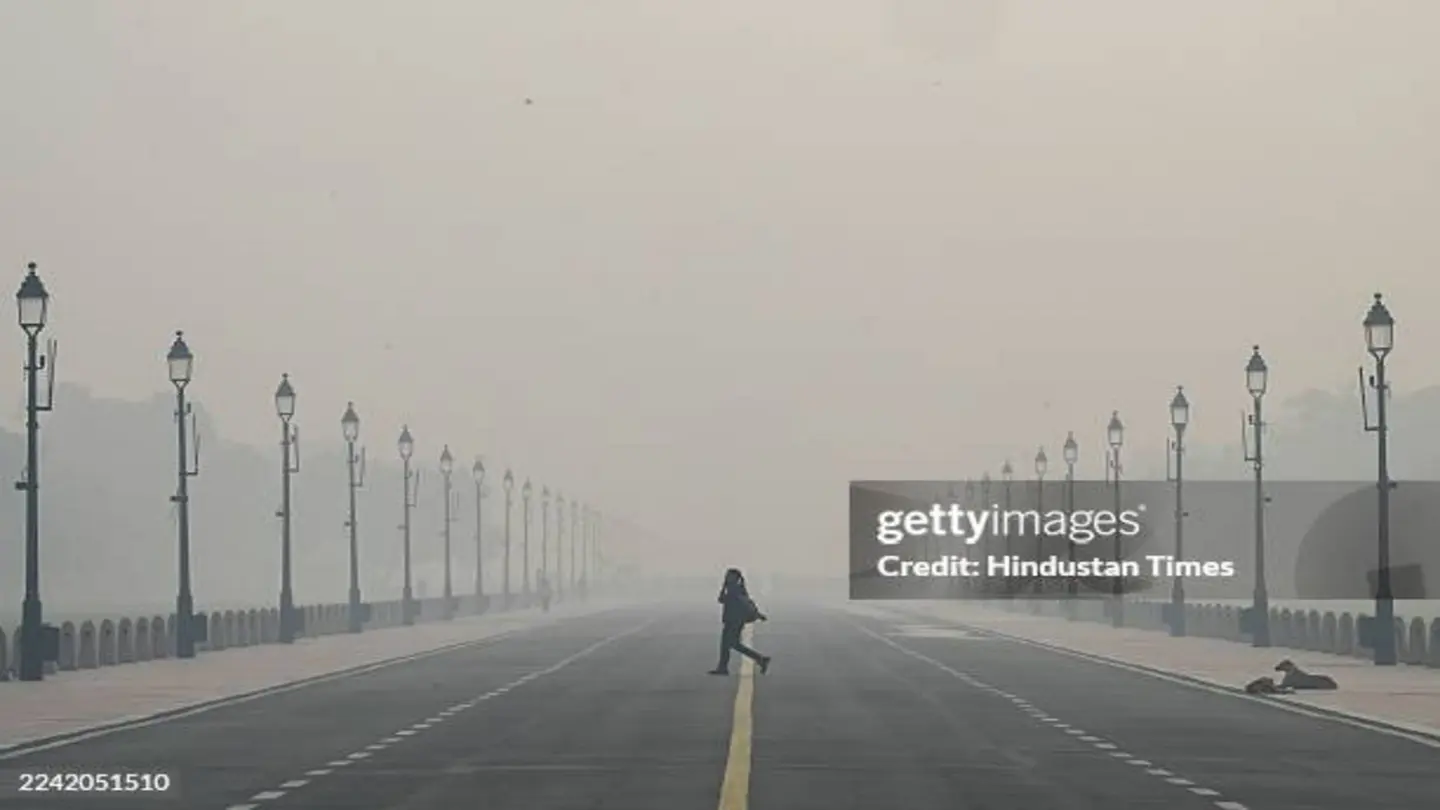
The Supreme Court of India has requested a comprehensive report on the air quality in Delhi following Diwali celebrations, prompted by concerns raised by an amicus curiae. The amicus curiae informed the court that several monitoring stations in Delhi were reportedly non-functional during the Diwali period, raising questions about the accuracy of the air quality data collected during this critical time.
The apex court’s directive underscores the persistent challenges of air pollution in Delhi, particularly during the festival season when the combination of firecracker emissions, stubble burning, and meteorological factors often leads to a significant deterioration in air quality. The court has been actively involved in monitoring and addressing the issue of air pollution in the National Capital Region (NCR) through various interventions and directives over the years.
Concerns Over Monitoring Stations
The specific concern regarding the functionality of air quality monitoring stations highlights the importance of reliable and accurate data collection for effective pollution control measures. Accurate data is essential for assessing the severity of the problem, identifying pollution sources, and evaluating the effectiveness of implemented policies. The Supreme Court’s intervention reflects its commitment to ensuring that air quality monitoring is conducted rigorously and transparently.
The court has directed the relevant authorities to submit a detailed report addressing the amicus curiae’s concerns and providing a comprehensive assessment of the air quality situation in Delhi after Diwali. This report is expected to include information on the operational status of monitoring stations, the data collected during the Diwali period, and any measures taken to mitigate air pollution.
Broader Context of Air Pollution in Delhi
Air pollution in Delhi is a complex and multifaceted issue with significant implications for public health and the environment. The city consistently ranks among the most polluted cities in the world, and exposure to high levels of air pollutants has been linked to various respiratory and cardiovascular ailments. The Supreme Court’s ongoing efforts to address air pollution reflect the gravity of the problem and the need for sustained action by all stakeholders.
The court’s latest directive is a reminder of the importance of robust monitoring, effective enforcement, and public awareness in tackling air pollution. It also highlights the need for a comprehensive and integrated approach that addresses all sources of pollution and promotes sustainable practices. The upcoming report will likely inform future policy decisions and interventions aimed at improving air quality in Delhi and protecting public health.
The Supreme Court will review the submitted report and consider further actions based on its findings. The case underscores the judiciary’s role in environmental governance and its commitment to holding authorities accountable for protecting the environment and public health. The outcome of this case will be closely watched by environmental activists, policymakers, and the general public.
Image Source: Google | Image Credit: Respective Owner