A new study highlights the potential benefits of a specific dietary approach in managing and reducing high blood pressure, particularly among individuals with pre-existing risk factors. The research, published in a leading medical journal, suggests that adopting a “timeless” eating pattern can significantly contribute to cardiovascular health. This dietary strategy focuses on incorporating whole, unprocessed foods while minimizing the intake of saturated fats, sodium, and added sugars.
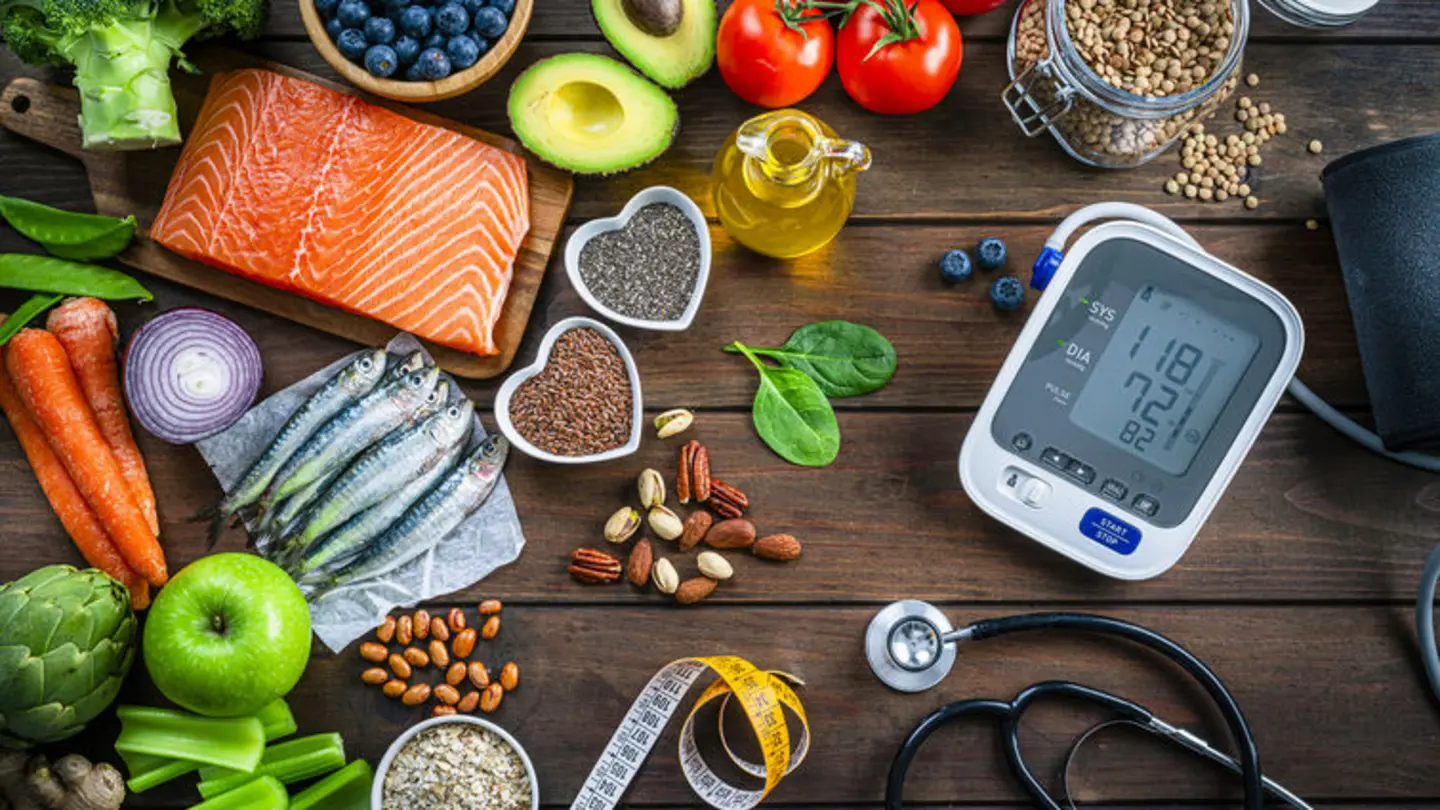
The study involved a diverse group of participants, including those with a family history of hypertension, elevated cholesterol levels, and sedentary lifestyles. Over a period of six months, participants were instructed to follow the specified eating pattern, which emphasized fruits, vegetables, whole grains, lean proteins, and healthy fats such as those found in olive oil and avocados. Researchers closely monitored blood pressure readings, cholesterol levels, and other relevant health markers throughout the study.
Key Findings
The results indicated a notable reduction in systolic and diastolic blood pressure among participants who adhered to the dietary guidelines. Specifically, individuals experienced an average decrease of 8-10 mmHg in systolic blood pressure and 5-7 mmHg in diastolic blood pressure. These improvements were observed even in participants who were already taking medication for hypertension, suggesting that the dietary intervention could complement existing treatment plans.
Furthermore, the study found that the eating pattern had a positive impact on cholesterol levels, with participants exhibiting lower levels of LDL (bad) cholesterol and higher levels of HDL (good) cholesterol. This favorable lipid profile further contributes to the reduction of cardiovascular risk.
The ‘Timeless’ Eating Pattern
The dietary approach promoted in the study is not a fad diet but rather a sustainable and balanced eating pattern that aligns with recommendations from leading health organizations. It encourages individuals to make conscious food choices, prioritizing nutrient-rich foods over processed and packaged alternatives. The emphasis on whole foods ensures that the body receives essential vitamins, minerals, and antioxidants, which play a crucial role in maintaining overall health.
Experts emphasize that adopting this eating pattern can be particularly beneficial for individuals at high risk of developing hypertension, such as those with a family history of the condition, individuals with obesity, and those who lead sedentary lifestyles. By making gradual changes to their dietary habits, individuals can significantly reduce their risk and improve their long-term health outcomes.
The study underscores the importance of lifestyle interventions, particularly dietary modifications, in the prevention and management of hypertension. While medication remains an essential component of treatment for many individuals, adopting a healthy eating pattern can serve as a powerful tool in promoting cardiovascular health and reducing the risk of complications associated with high blood pressure.
Further research is needed to explore the long-term effects of this eating pattern and to determine its effectiveness in different populations. However, the current findings provide compelling evidence that a “timeless” eating pattern can play a significant role in lowering blood pressure and improving cardiovascular health, even in high-risk individuals.
Image Source: Google | Image Credit: Respective Owner