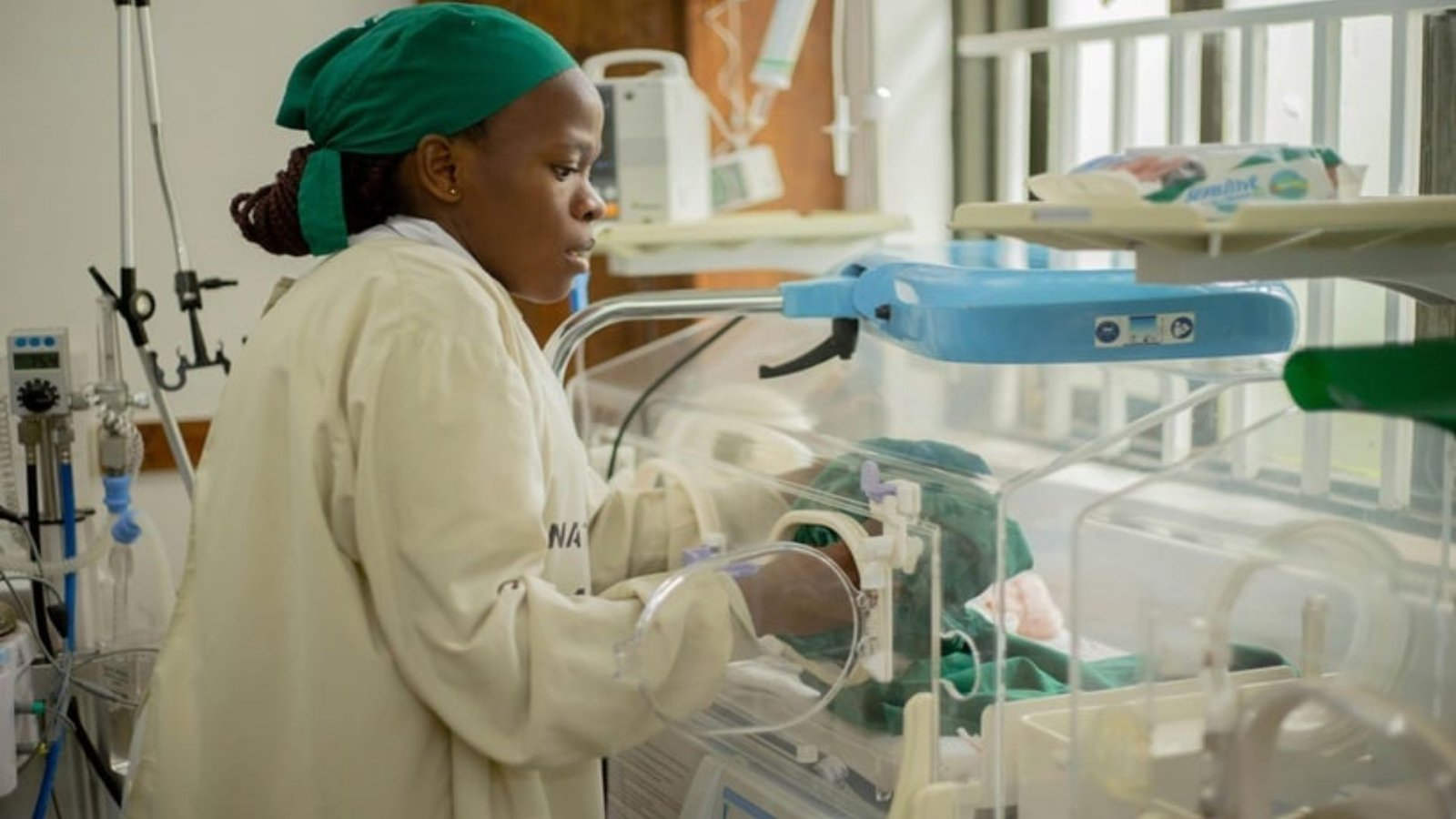
A groundbreaking automated breathing operator has been developed to improve respiratory support for preterm infants, according to the European Medical Journal. This innovative technology promises to provide more consistent and tailored care, potentially reducing the risk of complications associated with mechanical ventilation.
The device, designed by a team of biomedical engineers and neonatologists, uses advanced algorithms and sensors to monitor an infant’s breathing patterns in real-time. Based on this data, the system automatically adjusts ventilator settings to optimize oxygen delivery and minimize lung injury. Traditional methods of manual ventilation often rely on subjective assessments and may lead to inconsistencies in care, which can be particularly detrimental to fragile preterm infants.
Benefits of Automated Breathing Support
The key advantage of this automated system is its ability to provide continuous, personalized respiratory support, adapting to the infant’s changing needs. This eliminates the variability associated with manual adjustments and ensures that the infant receives the most appropriate level of assistance at all times. Clinical trials have demonstrated that the automated breathing operator can significantly improve oxygenation, reduce the incidence of ventilator-induced lung injury, and shorten the duration of mechanical ventilation.
“Preterm infants are especially vulnerable to respiratory complications due to their underdeveloped lungs,” explained Dr. Anya Sharma, a lead researcher on the project. “Our automated breathing operator aims to provide a more precise and consistent level of respiratory support, ultimately leading to better outcomes for these vulnerable babies.” The system is designed to be user-friendly, with an intuitive interface that allows healthcare providers to easily monitor the infant’s respiratory status and adjust the automated settings as needed.
The European Medical Journal reports that the device has undergone rigorous testing and has received regulatory approval for clinical use in several European countries. Plans are underway to expand its availability to hospitals worldwide. The technology has the potential to transform neonatal care, particularly in resource-limited settings where access to specialized respiratory therapists may be limited. By automating the process of ventilation, the device can help to ensure that all preterm infants receive optimal respiratory support, regardless of their location or the availability of skilled personnel.
Furthermore, the system incorporates sophisticated alarm features that alert healthcare providers to any significant changes in the infant’s respiratory status, allowing for timely intervention. This proactive approach can help to prevent potentially life-threatening complications. The developers are also working on incorporating additional features, such as predictive algorithms that can anticipate respiratory distress and proactively adjust ventilator settings to prevent it.
The development of this automated breathing operator represents a significant advancement in neonatal respiratory care. By providing personalized, consistent, and responsive respiratory support, this technology has the potential to improve the lives of countless preterm infants and reduce the burden of respiratory complications on healthcare systems. The innovation highlights the growing role of technology in improving patient outcomes and transforming the delivery of healthcare.
Image Source: Google | Image Credit: Respective Owner