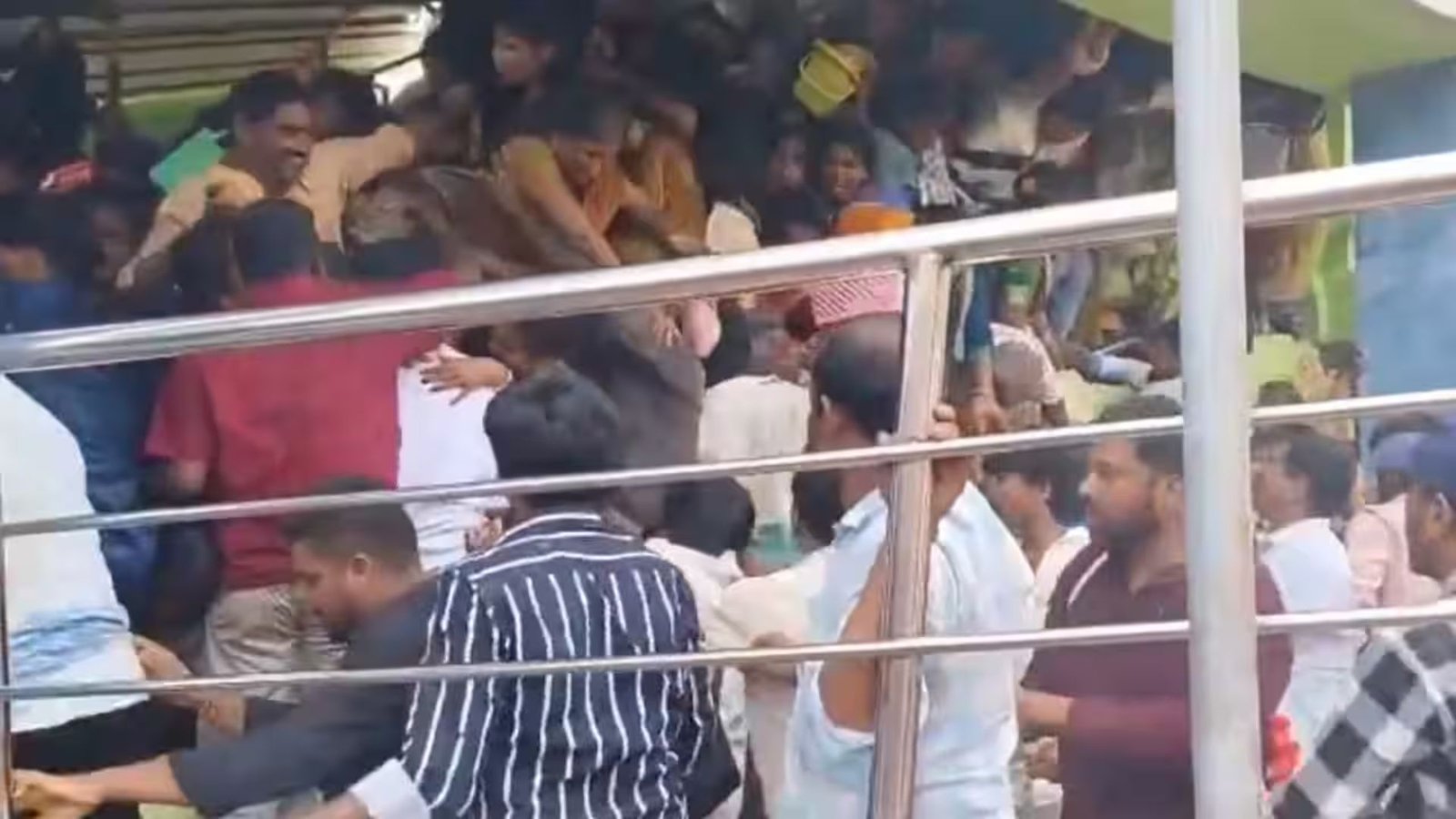
A tragic stampede in Srikakulam, Andhra Pradesh, has once again brought into sharp focus the critical need for better safety measures at public events. The incident, which occurred during a distribution event, resulted in fatalities and injuries, prompting serious questions about the planning and execution of such gatherings.
The Hindu’s editorial highlights a recurring “depressing pattern,” emphasizing that this is not an isolated incident but rather a symptom of systemic issues. Such events, often organized for charitable or political purposes, attract large crowds, making them inherently vulnerable to overcrowding and potential chaos. The lack of adequate crowd control mechanisms, coupled with insufficient security personnel, creates a recipe for disaster.
Crowd Management Failures
One of the primary concerns is the failure to anticipate and manage crowd surges effectively. Often, organizers underestimate the number of attendees, leading to inadequate space allocation and logistical bottlenecks. This is further compounded by the absence of clearly defined entry and exit points, as well as a lack of communication channels to disseminate information and instructions to the public.
Moreover, the editorial points to a tendency to overlook basic safety protocols in the rush to organize these events. This includes neglecting to conduct thorough risk assessments, failing to coordinate with local authorities, and not having contingency plans in place to deal with emergencies. The consequences of such oversights can be devastating, as seen in the Srikakulam stampede.
Accountability and Prevention
Addressing this issue requires a multi-pronged approach. Firstly, there needs to be greater accountability on the part of organizers. They must be held responsible for ensuring the safety and well-being of attendees. This includes obtaining necessary permits, adhering to safety regulations, and providing adequate security arrangements. Stricter penalties should be imposed for negligence that leads to loss of life or injuries.
Secondly, local authorities must play a more proactive role in regulating public events. This includes conducting thorough inspections, providing guidance on crowd management strategies, and deploying sufficient police personnel to maintain order. They should also work closely with organizers to develop emergency response plans and ensure that medical facilities are readily available.
Finally, there needs to be greater public awareness about the risks associated with large gatherings. Attendees should be encouraged to exercise caution, follow instructions from event staff, and report any potential safety hazards. By working together, organizers, authorities, and the public can help prevent future tragedies and ensure that public events are safe and enjoyable for all.
The Srikakulam stampede serves as a stark reminder of the importance of prioritizing safety at all public gatherings. It is imperative that lessons are learned from this incident and that concrete steps are taken to prevent similar tragedies from occurring in the future. The lives and well-being of countless individuals depend on it.
Image Source: Google | Image Credit: Respective Owner