A new study has confirmed that artificial intelligence (AI) significantly boosts the accuracy of malaria diagnosis, offering a promising avenue for improving healthcare in regions where the disease is prevalent. The research, conducted by JSI, highlights the potential of AI-powered diagnostic tools to enhance the speed and precision of malaria detection, ultimately leading to more effective treatment and prevention strategies.
Malaria, a mosquito-borne disease, remains a major global health challenge, particularly in sub-Saharan Africa and parts of Asia and South America. Accurate and timely diagnosis is crucial for effective treatment, but traditional diagnostic methods, such as microscopy, can be time-consuming and require skilled technicians, which may not always be available in resource-limited settings. This is where AI can make a significant difference.
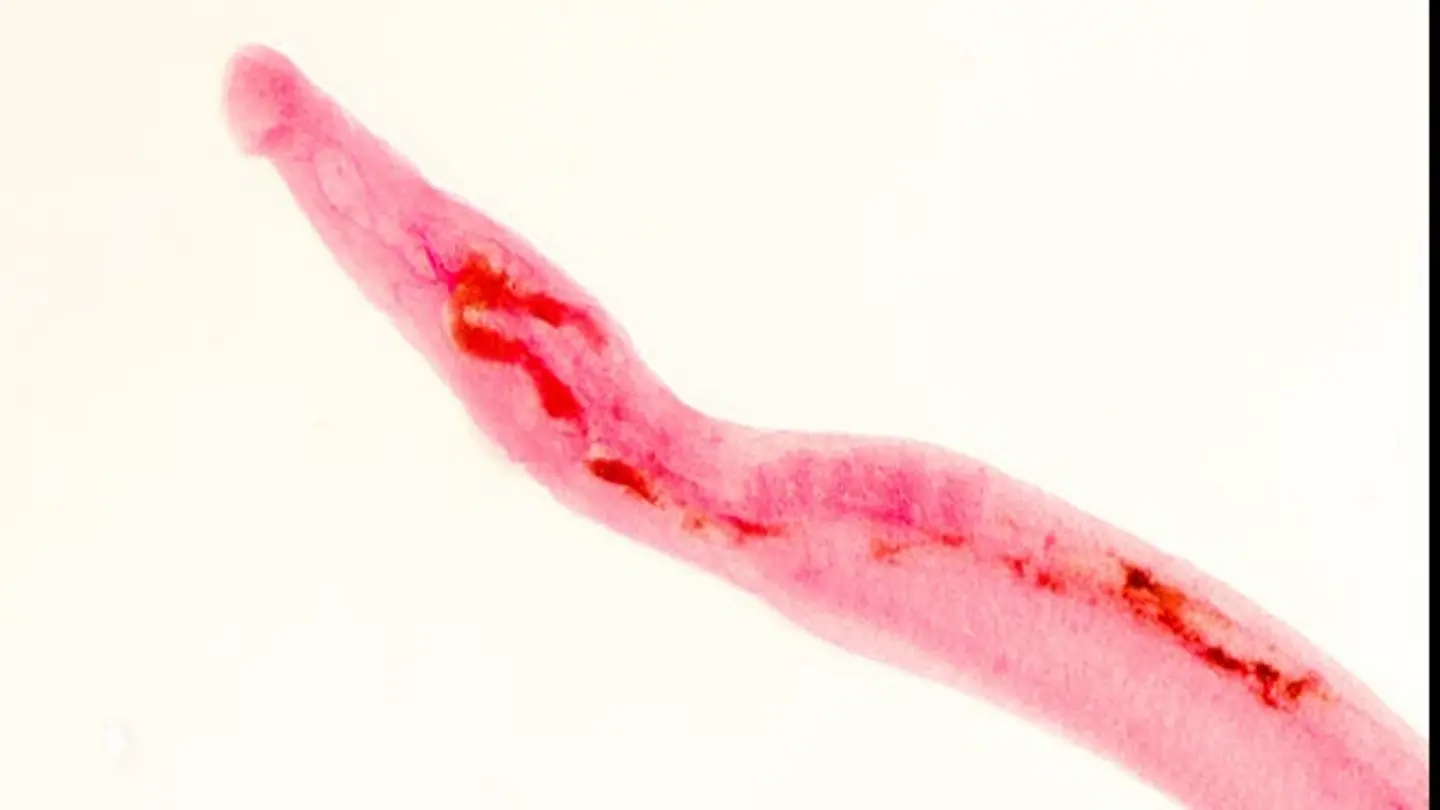
The study focused on the application of machine learning algorithms to analyze microscopic images of blood samples. By training the AI on a large dataset of images, researchers were able to develop a system that can automatically detect the presence of malaria parasites with a high degree of accuracy. The results showed that the AI-powered diagnostic tool outperformed human microscopists in terms of both sensitivity and specificity, meaning it was better at correctly identifying both positive and negative cases of malaria.
Benefits of AI in Malaria DiagnosisOne of the key advantages of using AI in malaria diagnosis is its ability to provide rapid results. Traditional microscopy can take hours or even days to complete, whereas AI-powered tools can deliver results in a matter of minutes. This can be particularly beneficial in emergency situations where timely diagnosis is critical for saving lives. Furthermore, AI can help to reduce the workload of healthcare professionals, allowing them to focus on other important tasks.
Another benefit is the potential for improved accuracy. Human error is a common problem in microscopy, especially when dealing with large numbers of samples. AI, on the other hand, can consistently perform the same task with a high degree of precision, reducing the risk of misdiagnosis. This can lead to more effective treatment and better patient outcomes. The study also explored the use of AI to identify different species of malaria parasites. This is important because different species respond differently to treatment, and accurate identification is essential for choosing the most appropriate medication.
The findings of this study have important implications for malaria control efforts around the world. By providing a more accurate and efficient means of diagnosis, AI can help to improve the effectiveness of treatment and prevention strategies. This could lead to a significant reduction in the burden of malaria, particularly in resource-limited settings where the disease is most prevalent.Looking ahead, researchers are exploring ways to further improve the performance of AI-powered diagnostic tools and to make them more accessible to healthcare providers in developing countries. This includes developing portable and affordable devices that can be used in remote areas, as well as creating user-friendly software that requires minimal training to operate. The potential of AI to transform malaria diagnosis is immense, and continued research and development in this area are essential for achieving the goal of a malaria-free world.
Image Source: Google | Image Credit: Respective Owner