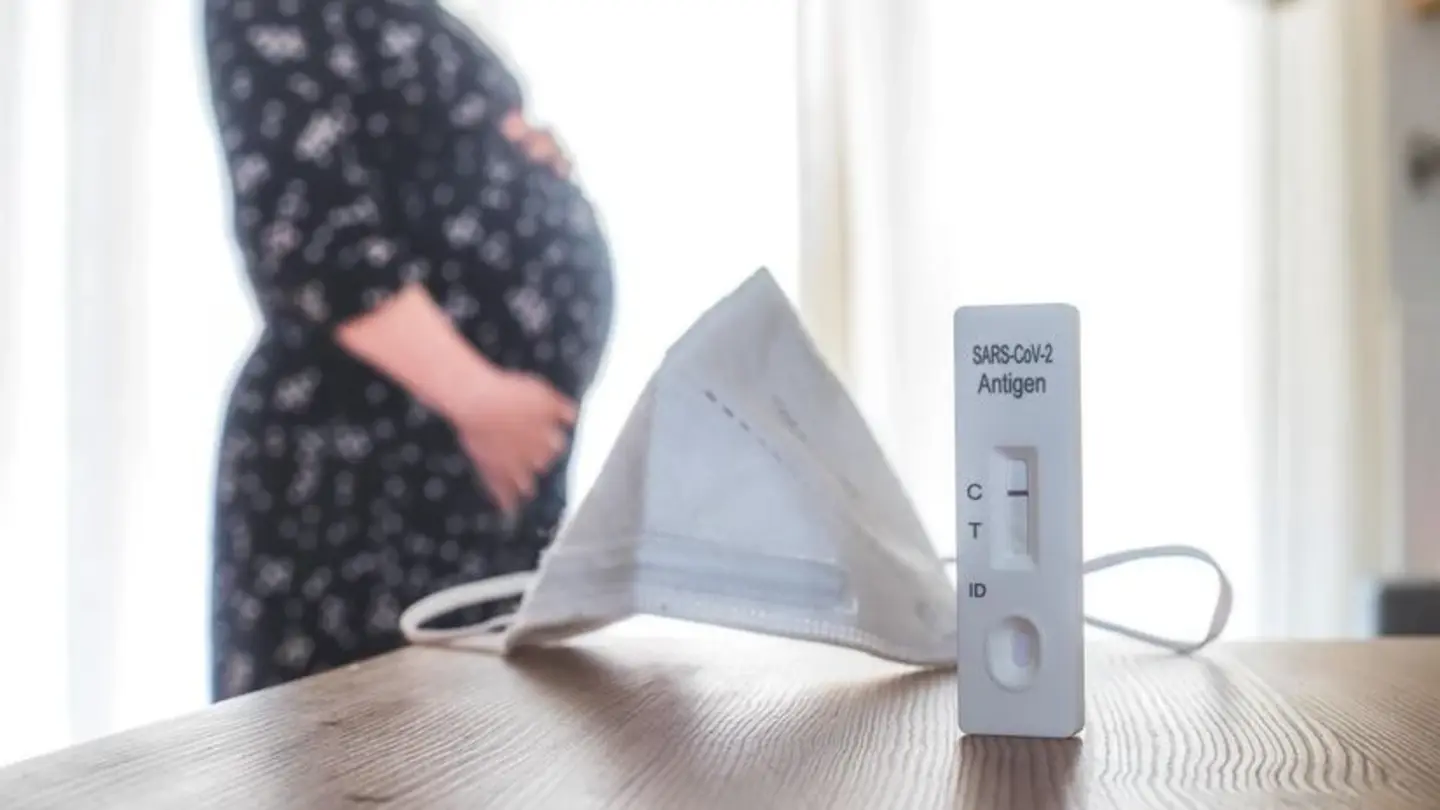
A new study has revealed a potential link between COVID-19 infection during pregnancy and an increased risk of neurodevelopmental disorders in children, including autism spectrum disorder (ASD), speech delays, and motor delays. The research, published in a prominent medical journal, analyzed data from a large cohort of mother-child pairs, comparing outcomes for those whose mothers contracted COVID-19 during pregnancy to those whose mothers did not.
Key Findings
The study found that children born to mothers who had COVID-19 while pregnant were significantly more likely to be diagnosed with ASD compared to the control group. The risk was particularly elevated if the infection occurred during the second or third trimester. Furthermore, these children exhibited a higher prevalence of speech delays, characterized by difficulties in language acquisition and articulation, and motor delays, which manifest as challenges in physical coordination and movement.
Researchers emphasize that while the study establishes a correlation, it does not prove causation. Several factors could contribute to the observed associations, including the severity of the mother’s COVID-19 illness, pre-existing maternal health conditions, and genetic predispositions in the child. It’s also possible that inflammation caused by the virus could impact fetal brain development. Future investigations are needed to unravel the underlying mechanisms and determine the precise nature of the relationship.
Experts advise pregnant women to take precautions to minimize their risk of contracting COVID-19. Vaccination remains the most effective preventive measure, offering substantial protection against severe illness. Other recommended strategies include practicing social distancing, wearing masks in public settings, and maintaining good hand hygiene. Pregnant women should also consult their healthcare providers about potential risks and benefits of COVID-19 treatments, should they become infected.
The study underscores the importance of monitoring the neurodevelopmental progress of children born to mothers who had COVID-19 during pregnancy. Early identification of developmental delays allows for timely intervention, which can significantly improve outcomes. Parents should be vigilant for signs of speech delays, motor difficulties, and social-communication challenges, and seek professional evaluation if they have concerns. This research adds to the growing body of evidence highlighting the potential long-term consequences of COVID-19 infection during pregnancy. Continued research is critical to understand the full scope of the impact and develop effective strategies to mitigate the risks.
This study has implications for public health policies, particularly regarding vaccination recommendations for pregnant women and the allocation of resources for early intervention services. Healthcare providers are encouraged to stay informed about the latest research findings and incorporate them into their clinical practice. More studies are needed to examine the role of specific viral variants and the impact of vaccination on neurodevelopmental outcomes in children born to mothers who had COVID-19 during pregnancy.
Further research aims to explore the potential mechanisms through which COVID-19 infection may affect fetal brain development, including the role of maternal immune responses and placental dysfunction. The findings of this study should encourage further investigation into this potential link.
Image Source: Google | Image Credit: Respective Owner