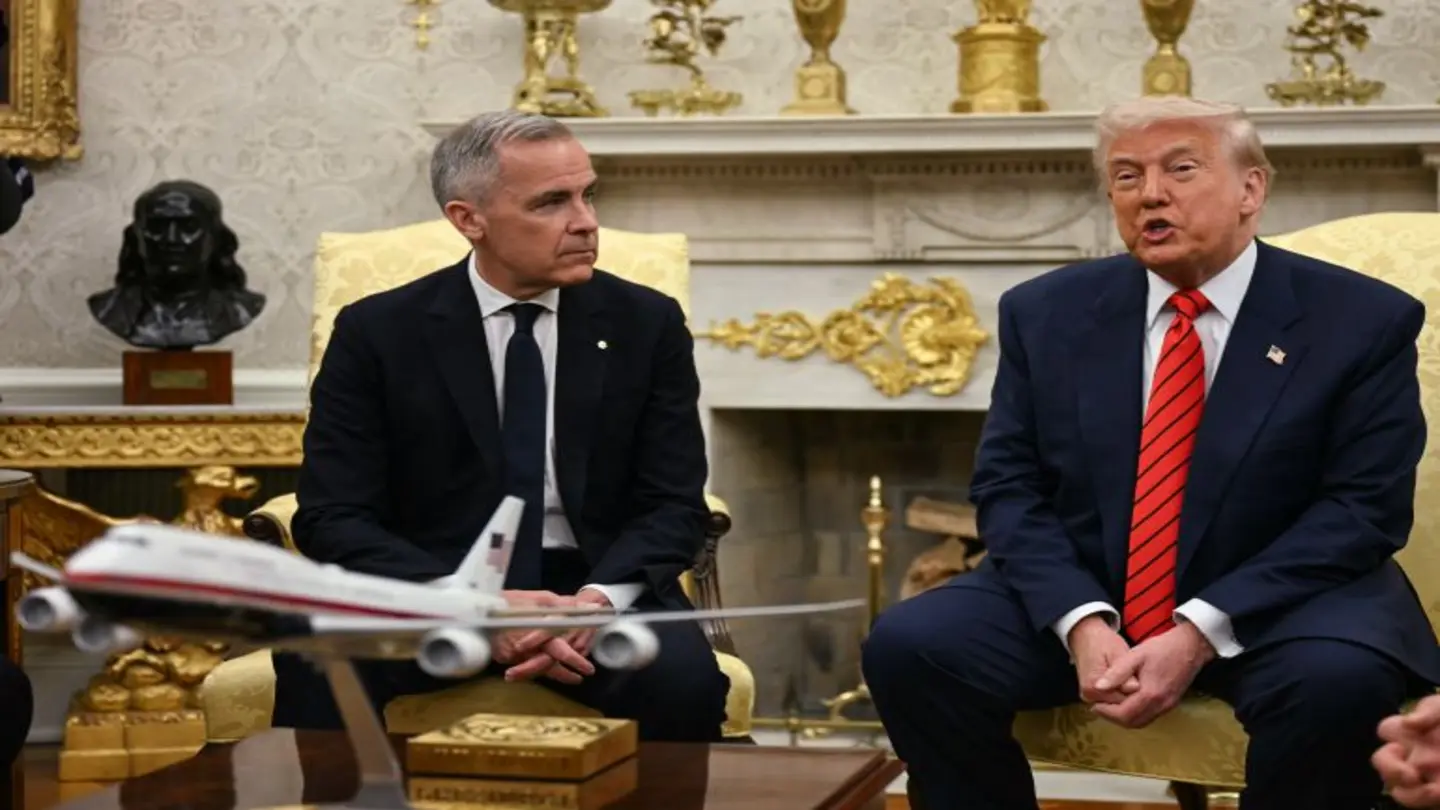
Former President Donald Trump has stated he will not initiate renegotiations with Canada regarding trade agreements if he returns to office. The statement, reported by Forex Factory and other financial news outlets, signals a shift in focus towards other trade partners and potential new deals. This announcement has sparked interest among economists and trade analysts, who are assessing the potential implications for North American trade relations.
Trump’s previous trade policies, particularly during his first term, were characterized by a willingness to challenge existing agreements and pursue bilateral deals. His administration previously renegotiated the North American Free Trade Agreement (NAFTA), resulting in the United States-Mexico-Canada Agreement (USMCA). This new stance suggests a possible continuation of prioritizing specific trade deals, rather than broad multilateral agreements.
Implications for USMCA
The USMCA, which replaced NAFTA in 2020, aimed to modernize trade relations between the three countries. However, Trump’s recent comments raise questions about the future of the agreement, even without a full renegotiation. Potential non-compliance or targeted enforcement of certain provisions could still impact trade flows and investment decisions. Businesses operating across the US-Canada border will be closely monitoring any further developments related to trade policy.
The Canadian government has not yet issued an official statement in response to Trump’s remarks. However, Canadian trade officials are likely preparing for various scenarios, including the possibility of renewed trade tensions. Canada remains a key trading partner for the United States, and any significant changes in trade policy could have considerable economic consequences for both nations. The automotive sector, agriculture, and energy industries are particularly vulnerable to trade disputes.
Focus on Other Trade Deals
Trump’s focus on other trade deals may indicate a desire to address trade imbalances with countries beyond North America. China, the European Union, and Japan are potential targets for new negotiations or revised agreements. His administration previously engaged in trade disputes with these regions, imposing tariffs and seeking concessions on various issues, including intellectual property protection and market access. It remains unclear which specific countries or trade issues Trump would prioritize if he returns to the White House.
The potential economic impact of Trump’s trade policies is a subject of ongoing debate. Supporters argue that his approach can lead to fairer trade practices and protect American jobs. Critics contend that tariffs and trade barriers can disrupt supply chains, raise prices for consumers, and harm overall economic growth. The actual consequences will likely depend on the specific details of any new trade agreements and the reactions of other countries.
Political analysts suggest that Trump’s trade policies are often aimed at appealing to his base of supporters, particularly in manufacturing regions. By prioritizing American interests and challenging perceived unfair trade practices, he aims to demonstrate his commitment to economic nationalism. The upcoming election cycle will likely feature further discussions on trade policy, as candidates outline their visions for the future of American trade relations.
Image Source: Google | Image Credit: Respective Owner