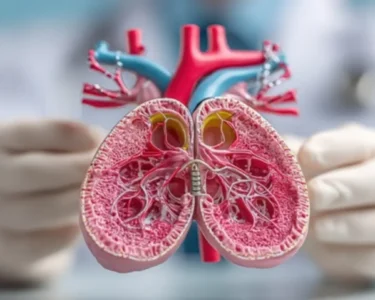
Aerobic exercise is a powerful tool for managing and lowering blood pressure, according to a leading heart surgeon. The surgeon emphasizes that regular physical activity is not just beneficial, but essential for cardiovascular health, stating, “Movement is truly medicine.” This perspective highlights the profound impact of lifestyle choices on preventing and treating hypertension.
High blood pressure, or hypertension, is a major risk factor for heart disease, stroke, and kidney failure. It often develops without noticeable symptoms, earning it the nickname “the silent killer.” Lifestyle modifications, including diet and exercise, are frequently recommended as the first line of defense against hypertension, often before medication.
The Science Behind Aerobic Exercise and Blood Pressure
Aerobic exercises, such as brisk walking, jogging, swimming, and cycling, improve cardiovascular fitness by making the heart stronger and more efficient. When you engage in aerobic activity, your heart pumps more blood with each beat, requiring less effort. This, in turn, reduces the force on your arteries, leading to lower blood pressure over time. Additionally, aerobic exercise helps maintain a healthy weight, which is another crucial factor in controlling blood pressure.
The heart surgeon explained that aerobic exercise stimulates the production of nitric oxide, a molecule that helps relax and widen blood vessels. This vasodilation effect further contributes to lowering blood pressure. Regular aerobic activity also improves the elasticity of blood vessels, making them more resilient to pressure changes.
Practical Tips for Incorporating Aerobic Exercise
For those looking to lower their blood pressure through exercise, the American Heart Association recommends at least 150 minutes of moderate-intensity aerobic activity or 75 minutes of vigorous-intensity activity per week. This can be broken down into smaller, more manageable sessions, such as 30 minutes of brisk walking five days a week.
Before starting any new exercise program, especially if you have existing health conditions, it’s important to consult with your doctor. They can provide personalized recommendations based on your individual needs and limitations. Start slowly and gradually increase the intensity and duration of your workouts. Listen to your body and take rest days when needed. Consistency is key to achieving long-term benefits.
In addition to exercise, maintaining a healthy diet low in sodium and rich in fruits, vegetables, and whole grains is crucial for managing blood pressure. Reducing stress through relaxation techniques like yoga and meditation can also complement the benefits of aerobic exercise. By combining these lifestyle modifications, individuals can significantly reduce their risk of hypertension and improve their overall cardiovascular health.
The heart surgeon’s message is clear: incorporating regular aerobic exercise into your routine is a powerful and effective way to lower blood pressure and improve your overall well-being. “Movement is truly medicine,” and embracing an active lifestyle can lead to a healthier, longer life.
Image Source: Google | Image Credit: Respective Owner