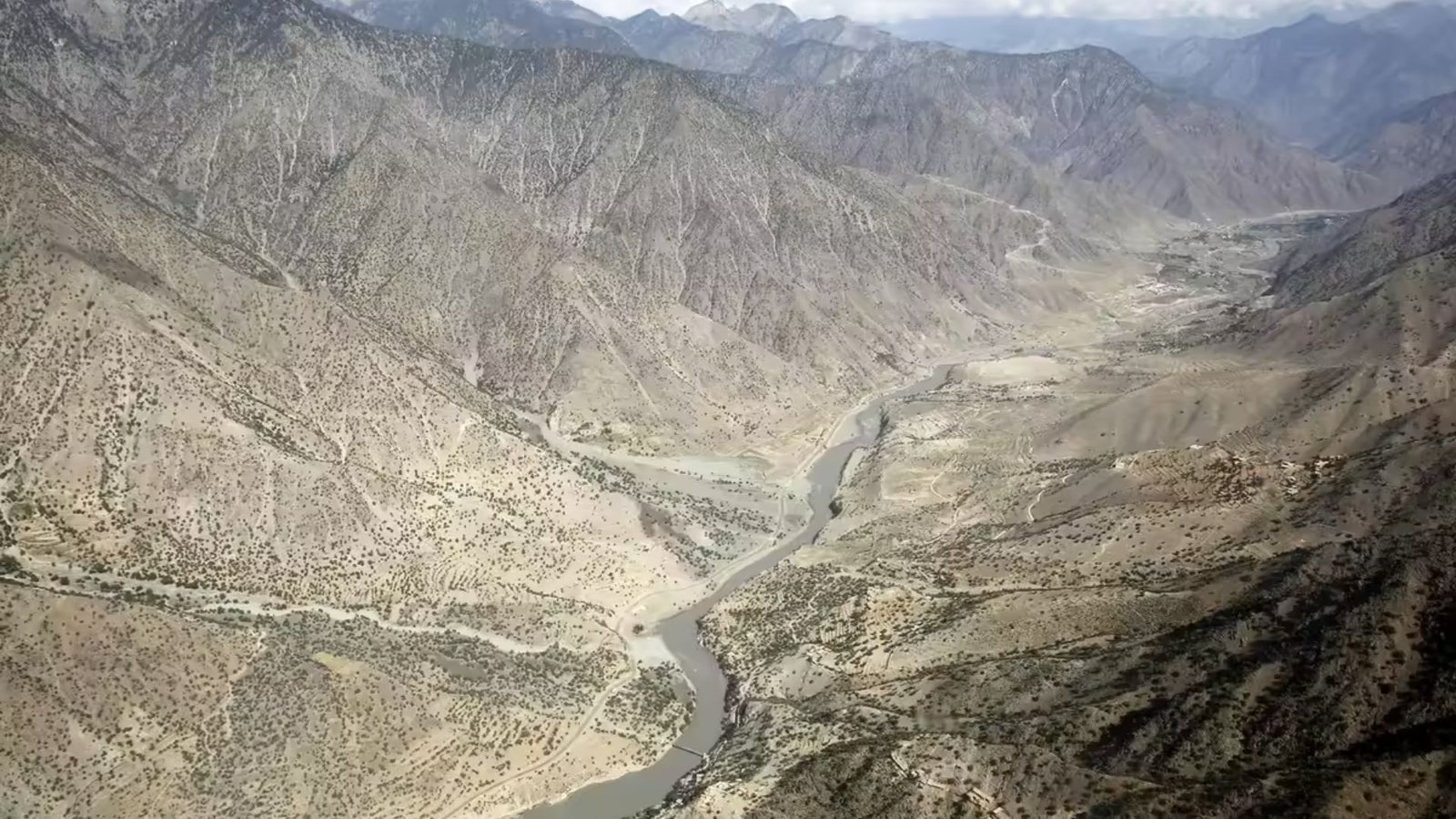
India has voiced its support for Afghanistan’s plan to construct a dam on a river that flows into Pakistan, a move that is likely to escalate tensions between Islamabad and Kabul. The project aims to manage water resources more effectively within Afghanistan, but Pakistan fears it will reduce the water supply downstream. This endorsement from India adds another layer to the complex geopolitical dynamics in the region, where water rights are already a sensitive issue.
Strategic Implications
India’s support for Afghanistan’s dam project is viewed by many analysts as a strategic move, reinforcing its close ties with Kabul while simultaneously putting pressure on Pakistan. The relationship between India and Pakistan has been historically strained, and this latest development is seen as another point of contention. Water has long been a source of conflict between nations sharing river basins, and the construction of dams often triggers disputes over water rights and environmental impacts.
The Indus Waters Treaty, brokered by the World Bank in 1960, governs the distribution of water from the Indus River and its tributaries between India and Pakistan. However, the treaty does not cover rivers that flow from Afghanistan into Pakistan. This legal vacuum creates an opportunity for Afghanistan to develop its water resources, but it also raises concerns about potential impacts on Pakistan’s agricultural sector and overall water security.
Regional Reactions
Pakistan has expressed strong reservations about the dam project, citing concerns about reduced water flow and potential environmental damage. Government officials in Islamabad have called for dialogue and consultation with Afghanistan to address these concerns. However, Afghanistan has maintained its sovereign right to develop its water resources for the benefit of its people.
The situation is further complicated by the involvement of various international actors. China, which has invested heavily in infrastructure projects in both Afghanistan and Pakistan, is likely to play a mediating role. The United States, which has historically been involved in regional diplomacy, may also seek to facilitate a resolution to the dispute.
Looking Ahead
The future of the dam project remains uncertain. Afghanistan is determined to proceed with the construction, while Pakistan is equally determined to protect its water interests. The role of India in supporting Afghanistan adds another dimension to the equation. Ultimately, the resolution of this dispute will require careful diplomacy and a willingness to compromise on the part of all parties involved. The potential for increased regional instability is significant if a mutually acceptable solution is not found. This situation highlights the increasing importance of water security in a world facing growing populations and climate change pressures, particularly in arid and semi-arid regions. The focus now shifts to whether diplomatic channels can prevent this issue from escalating into a larger conflict.
Image Source: Google | Image Credit: Respective Owner