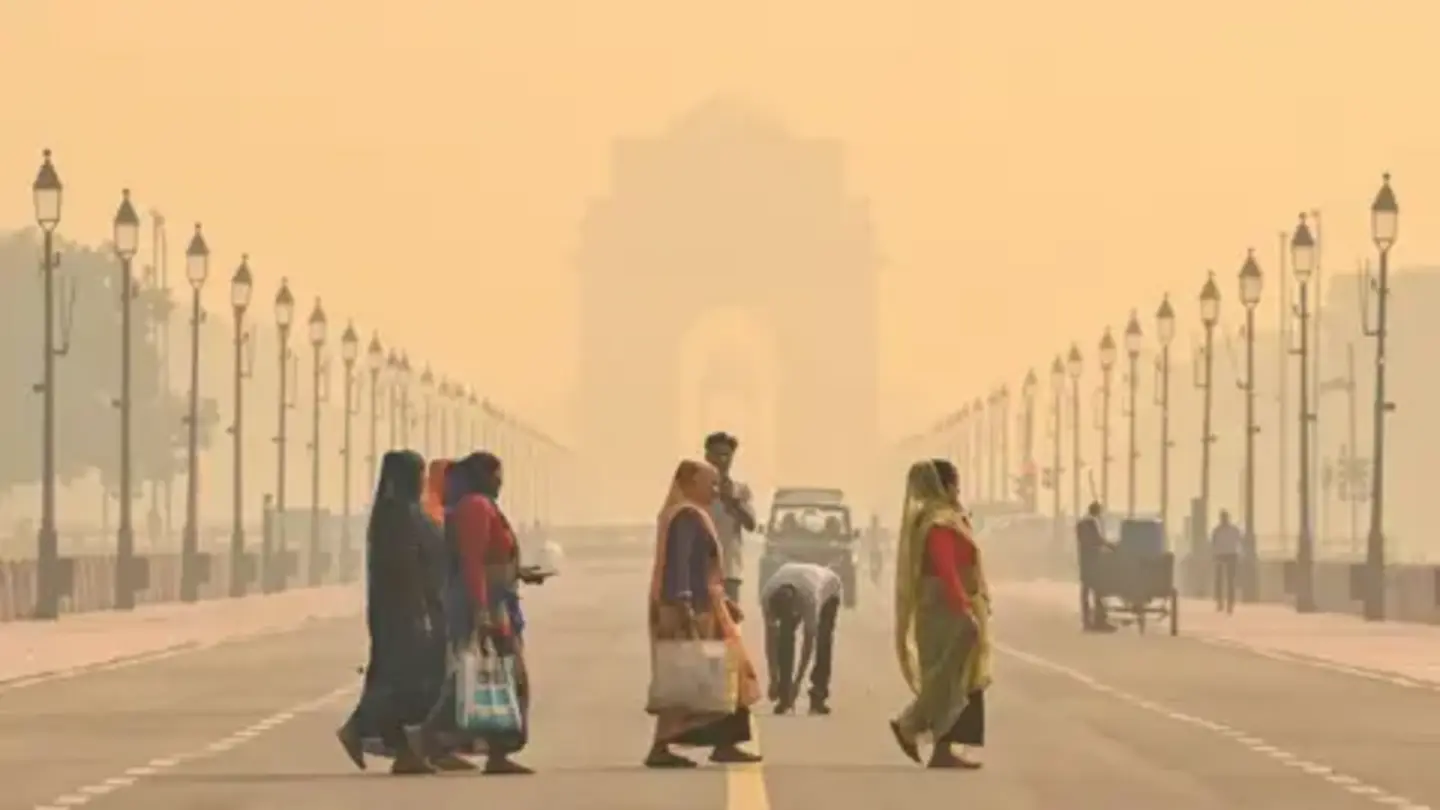
Delhi is grappling with a severe air pollution crisis as pollution levels have surged dramatically, coinciding with the unsuccessful implementation of cloud seeding initiatives. The city’s air quality has plummeted, raising serious concerns about public health and environmental management. The ambitious plan to induce artificial rain through cloud seeding aimed to alleviate the smog, but the attempt appears to have backfired, exacerbating the already hazardous conditions.
Failed Cloud Seeding
Authorities initiated the cloud seeding operation with the hope of washing away pollutants and reducing the density of the smog that has enveloped the capital. However, the operation did not yield the anticipated results. Experts suggest that unfavorable weather conditions, including insufficient cloud formation and adverse wind patterns, contributed to the failure. The chemicals released during the process may have inadvertently mixed with existing pollutants, leading to an unexpected spike in pollution levels.
Residents are experiencing increased respiratory problems, eye irritation, and other health issues related to the poor air quality. Hospitals are reporting a rise in cases of asthma and bronchitis, particularly among children and the elderly. The government has issued advisories urging people to stay indoors, avoid strenuous outdoor activities, and use masks when venturing outside. Schools have been temporarily closed to protect students from the harmful effects of the pollution.
Government Response
The Delhi government is facing mounting criticism over its handling of the pollution crisis. Opposition parties have accused the administration of being ill-prepared and lacking a comprehensive strategy to combat air pollution. In response, the government has announced a series of emergency measures, including stricter enforcement of pollution control norms, increased deployment of water sprinklers to suppress dust, and a temporary ban on construction activities. However, these measures have so far failed to provide significant relief.
Environmental activists are calling for a more sustainable and long-term approach to address the root causes of air pollution in Delhi. They emphasize the need to reduce vehicular emissions, control industrial pollution, and promote the use of cleaner fuels. Some experts advocate for the implementation of a comprehensive air quality management plan that includes measures such as the promotion of public transportation, the enforcement of stricter emission standards for vehicles, and the regulation of construction and demolition activities.
The current situation highlights the urgent need for effective and evidence-based solutions to tackle air pollution in Delhi. The failed cloud seeding experiment serves as a cautionary tale, underscoring the importance of careful planning and thorough risk assessment before implementing such interventions. As the city continues to choke under a blanket of smog, the pressure is on the government to take decisive action to protect the health and well-being of its citizens.
The long-term health consequences of prolonged exposure to such high levels of pollution are dire, making it imperative for authorities to find sustainable solutions quickly.
Image Source: Google | Image Credit: Respective Owner