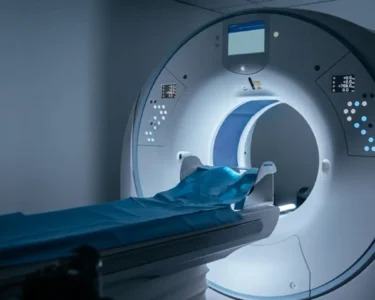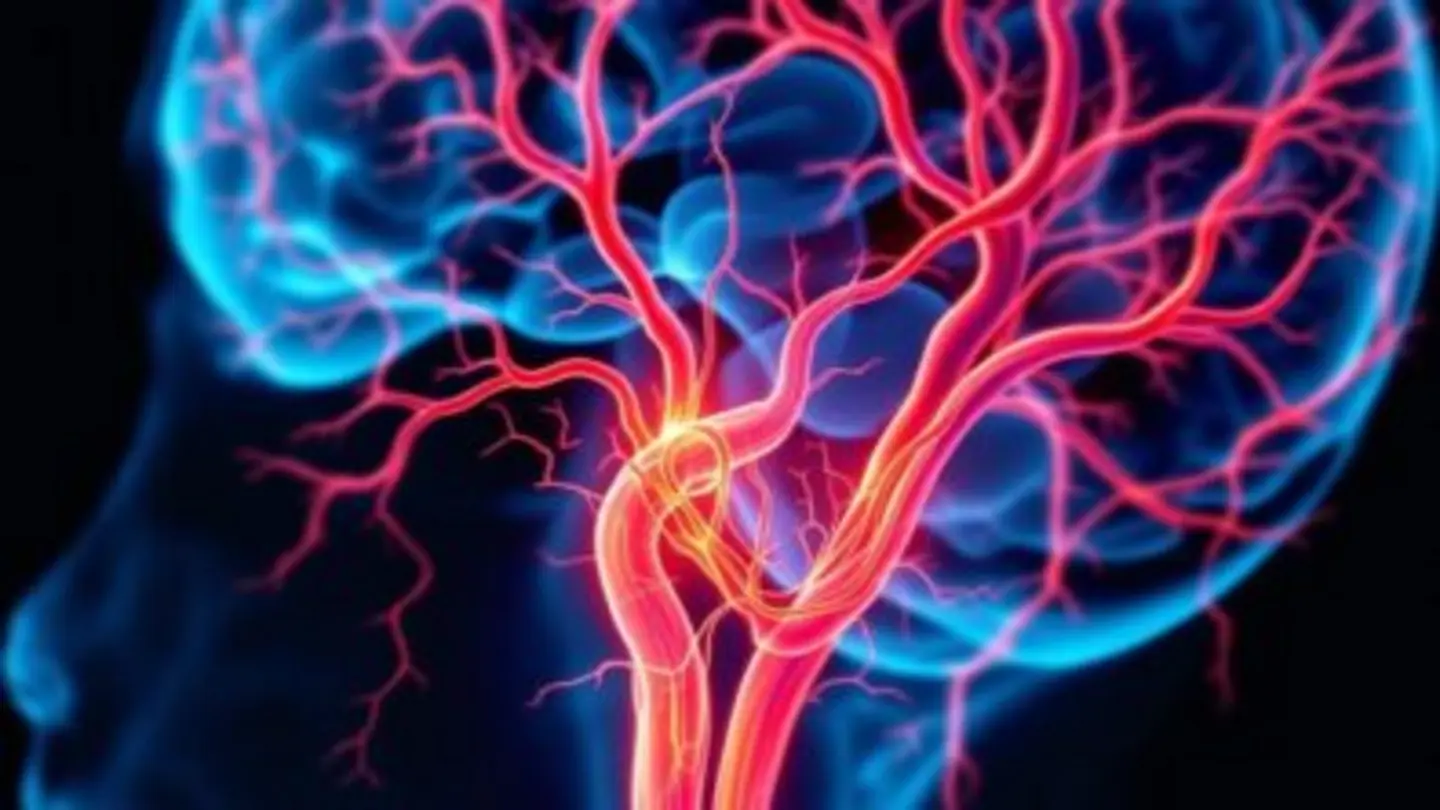
A stroke, often called a “brain attack,” occurs when blood flow to the brain is interrupted. This deprives brain tissue of oxygen and nutrients, leading to cell damage and potentially long-term disability. The severity of a stroke and its impact on a person’s life largely depend on how quickly treatment is administered. The “4.5-hour rule” is a critical concept in stroke care, representing the window of opportunity for administering thrombolytic drugs like tissue plasminogen activator (tPA). These drugs can dissolve blood clots and restore blood flow to the brain, significantly reducing the risk of permanent damage. However, beyond this timeframe, the benefits of tPA diminish, and the risks of complications, such as bleeding, increase.
The Golden Window
The first few hours after a stroke are often referred to as the “golden window.” During this period, the brain is most responsive to treatment. Every minute that passes without intervention results in the loss of millions of brain cells. This is why prompt recognition of stroke symptoms and immediate medical attention are crucial. Common stroke symptoms include sudden numbness or weakness in the face, arm, or leg, especially on one side of the body; sudden confusion, trouble speaking, or understanding speech; sudden trouble seeing in one or both eyes; sudden trouble walking, dizziness, loss of balance, or coordination; and sudden severe headache with no known cause. Recognizing these symptoms and calling emergency services immediately can dramatically improve the chances of a positive outcome.
Many stroke survivors experience long-term physical, cognitive, and emotional challenges. Physical impairments can include paralysis, weakness, and difficulty with coordination and balance. Cognitive problems may involve memory loss, difficulty with language, and impaired executive functions. Emotional challenges such as depression and anxiety are also common. These long-term effects can significantly impact a person’s ability to perform daily activities, work, and maintain social relationships. Therefore, preventative measures, public awareness, and efficient emergency stroke protocols are paramount.
Preventing stroke involves managing risk factors such as high blood pressure, high cholesterol, diabetes, and smoking. Lifestyle modifications such as maintaining a healthy diet, exercising regularly, and avoiding tobacco use can significantly reduce the risk of stroke. Regular check-ups with a healthcare provider can help identify and manage these risk factors effectively. Public awareness campaigns play a vital role in educating people about stroke symptoms, the importance of acting quickly, and preventative measures. Improving access to timely stroke care, including rapid diagnosis and treatment, is essential to minimizing the long-term consequences of stroke. Hospitals and healthcare systems should implement efficient stroke protocols that ensure rapid assessment, diagnosis, and treatment for all patients. Telemedicine can also play a role in connecting stroke experts with patients in remote areas, improving access to specialized care.
In conclusion, the 4.5-hour rule underscores the critical importance of timely intervention in stroke management. Reducing delays in diagnosis and treatment can significantly improve outcomes and reduce the number of stroke survivors who become patients for life. Continued efforts to raise public awareness, improve access to care, and enhance stroke protocols are essential to saving lives and minimizing disability.
Image Source: Google | Image Credit: Respective Owner