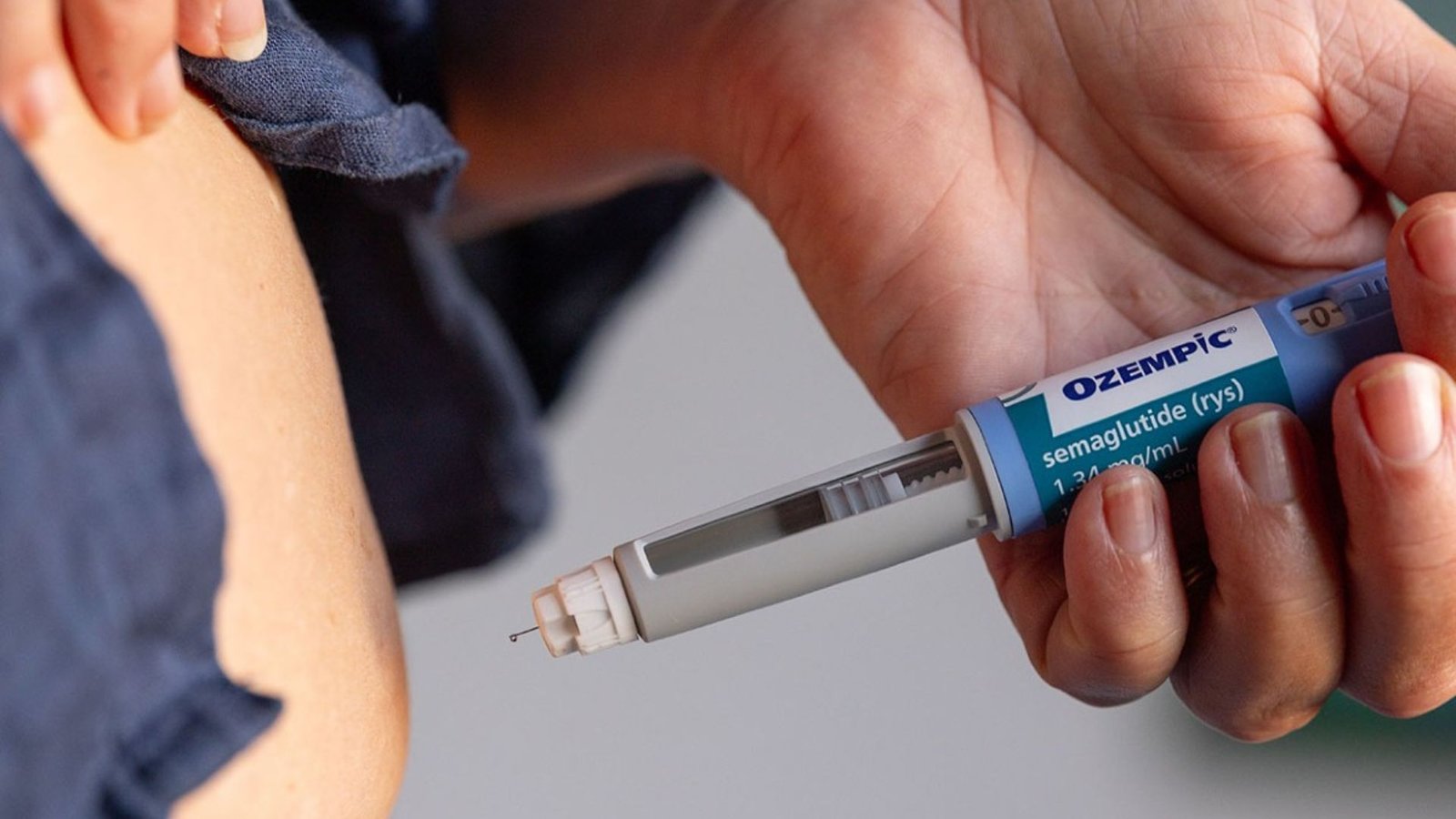
Originally developed to treat diabetes, drugs like Ozempic and Mounjaro have become viral sensations for rapid weight loss. However, health experts warn that this TikTok-driven trend is far from safe — and may bring more harm than good.
From Diabetes Treatment to Social Media Trend
Once limited to managing blood sugar levels in diabetic patients, GLP-1 drugs (glucagon-like peptide-1 agonists) such as Ozempic and Mounjaro are now being used by healthy individuals for cosmetic weight loss.
Dr. Rajeshwari Panda, Head of Dietetics at Medicover Hospital, Navi Mumbai, cautioned,
“These are medical therapies, not beauty fixes. Using them without medical need or supervision can cause serious complications.”
Fueled by viral TikTok videos and celebrity endorsements, the off-label use of these injections has skyrocketed among non-diabetic people hoping for quick transformations.
How These Injections Work
According to Dr. Rajiv Kovil, Diabetologist and Co-Founder of the Rang De Neela Initiative, these drugs mimic gut hormones that control hunger and digestion.
“They trick the brain into feeling full, slow digestion, and reduce appetite,” he explained.
Mounjaro acts on two hormone receptors — GLP-1 and GIP — helping improve fat metabolism and insulin response. This combination often results in steady weight loss, but only temporarily.
Why the Weight Comes Back
Experts emphasize that the effects fade once the injections stop.
“Appetite and weight usually rebound quickly after discontinuation,” said Dr. Panda.
These drugs don’t change metabolism or eating behavior. When people stop, hunger hormones rise again, leading to weight regain. Without consistent lifestyle changes — like healthy eating, exercise, and mindful habits — long-term results are nearly impossible.
Health Risks You Can’t Ignore
While these drugs have transformed diabetes care, they carry significant side effects such as nausea, constipation, bloating, and fatigue.
Dr. Kovil warned that individuals with pancreatitis, thyroid cancer, or gastrointestinal issues should avoid them altogether.
“These aren’t harmless slimming shots — they’re strong hormonal modulators that require strict medical supervision,” he added.
The Psychological Trap
Dr. Panda highlighted another danger — the illusion of control.
“People think they’ve solved their weight issue, but the effect is temporary. Once off the medication, the body returns to its original state.”
Some patients even experience mood changes, muscle loss, or develop disordered eating patterns.
The Smarter, Safer Path
Doctors agree that Ozempic and Mounjaro can be effective — but only for those with obesity or diabetes and under expert medical guidance.
Gradual dosage, proper hydration, and balanced nutrition can minimize risks.
Still, both experts stress that sustainable weight loss depends on long-term behavioral change — not injections.
“True transformation comes from mindful eating, consistent activity, and discipline — not shortcuts,” said Dr. Panda.
Bottom Line
The growing “Ozempic culture” shows society’s impatience with gradual progress. But as Dr. Kovil summed up,
“These drugs may silence your appetite today — but only discipline and balance can keep you healthy tomorrow.”
👉 Image Source: Google | Image Credit: Respective Owner